




Service Survey: Fleets Say They Want to Outsource More
Fleets continue to say they want to outsource more service work, but they've been saying that for a while, and the actual amount of oursourcing has remained pretty stable, according to surveys done by MacKay & Company, a market research and consulting firm specializing in heavy-duty equipment.


Fleets continue to say they want to outsource more service work, but they've been saying that for a while, and the actual amount of oursourcing has remained pretty stable, according to surveys done by MacKay & Company, a market research and consulting firm specializing in heavy-duty equipment.
John Blodgett, vice president of sales and marketing for MacKay, shared this and other results of the firm's study of the medium- and heavy-duty truck, school bus, and trailer service labor market in a presentation during the recent Heavy Duty Aftermarket Week in Las Vegas.
Blodgett's presentation was part of a new one-day program focused on the heavy-duty service market, called SOLD (Service Opportunities and Learning Day).
This is the fourth time MacKay & Company has completed this study since 1998. The research behind the project included analysis of 15,000-20,000 medium and heavy-duty vehicle operator surveys completed for MacKay & Company in the last four years. A targeted survey for this study focused on 1,500 vehicle operators, several hundred surveys with distributors of service and an extensive review of standard repair manual service labor data.
One surprise of the most recent study, according to Blodgett, is the decrease in preventive maintenance. While still a large portion of the service labor pie, it has decreased, primarily because of automated systems that indicate when a maintenance activity is needed as opposed to scheduling time to perform a maintenance check. Tire pressure monitoring systems would be an example.
Class 8 trucks drive almost 60% of the required service labor, according to Blodgett, with medium-duty vehicles representing 24% and the balance with trailers and container chassis. Truck operators (which can be an owner operator with one truck or a large for-hire fleet with 2,000 trucks) complete an average of 75% of the service labor activities in their own shops.
The Outsourcing Question
Typically, the less frequent or more complicated or specialized the service activity, the more likely a fleet will outsource. Fleets complete 91% of preventive maintenance labor hours but slightly less than half of engine overhauls or paint and body service labor.[PAGEBREAK]

The percentage of service labor hours completed by fleets has not changed since the last study, according to Blodgett, although fleets continue to say they would like to outsource more service work. In the first study in 1998, fleets said they intended to outsource more service work over the next four to five years, he noted. "But when we completing the study again in 2003, we discovered that the outsourcing had not increased."
Why not? The top three concerns fleets have in outsourcing:
the quality of the service work
the cost
the turnaround time.
Blodgett also noted, "We typically survey fleet maintenance managers, and it is not unusual for them to think that they can provide better quality work at a lower cost and in less time. Do they actually consider the true cost when comparing? Do they include all the overhead and insurance cost and other cost associated with having their own shop? Maybe not, but if you are going to market your service capabilities to a fleet, these are the objections that need to be addressed."
MacKay & Company also asked fleets how far in minutes or miles they would be willing to travel for different service activities. The results showed that the more frequent and/or less complicated service activities (PMs, alternator or starter replacement) the less they were willing to travel. For more specialized services such as paint and body or engine overhaul, fleets were willing to go twice as far. Forty-five minutes or 40 miles was the outer limit, and this distance is down across the board from MacKay & Company’s last study, according to Blodgett.
Down the Road
Looking out four to five years, fleets continue to say they would like to outsource more service labor work. The total service labor opportunity is anticipated to increase about 6%. The study asked fleets by service activity if they plan to outsource more service work and if so to what channels.
In total, fleets said they would like to outsource about 5 more points of service work -- from doing 75% in house today to about 70% in five years.
"The question is, will they, and will the capacity be there if they want to?" Blodgett said. "The five-point increase in outsourced service work translates into a 20% increase for the service providers compared to what they do today. We have not seen that type of increase in capacity over the last 10 years (whether in brick and mortar or hours) from service providers (OES or independent). Will we see it in the next five years?"
Perhaps. MacKay & Company believes there is more motivation for fleets to outsource now with more complicated vehicles, aging technicians in their shops and longer life components, Blodgett said.
"The bottom line is there is a big opportunity for those service providers who are successful at garnering more of the service work the fleets are currently doing themselves."
Blodgett’s final comment was to make sure you communicate with the fleets you are providing service work. “ I can’t tell you how many times in focus groups or fleet interviews, fleets have complained to us about lack of communication on status of their truck. Even if it is bad news, they need to know so they can make plans accordingly.”
More Aftermarket
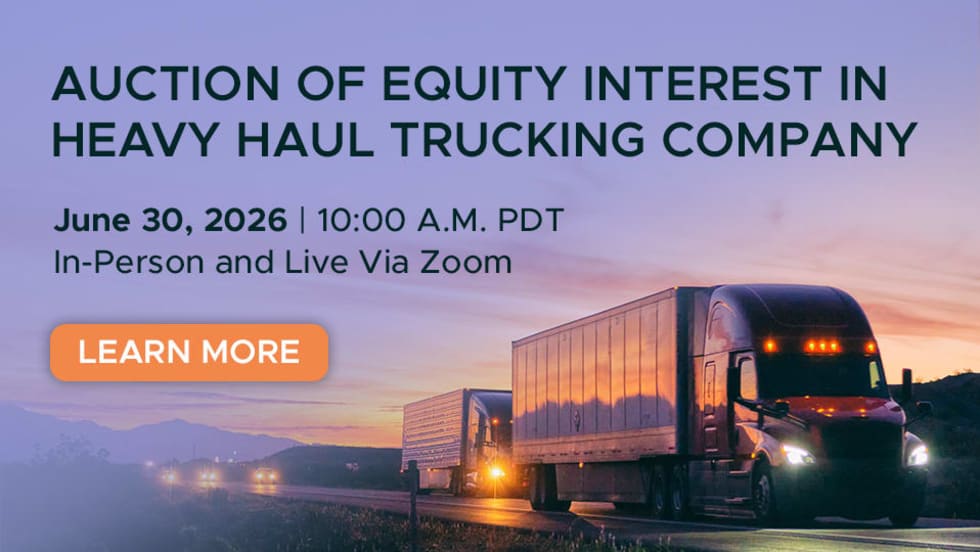
AUCTION OF EQUITY INTEREST IN HEAVY HAUL TRUCKING COMPANY!!
Mark your calendar: June 30, 2026 (10:00 a.m. PDT). MagnaTrans, LLC, a California limited liability company doing business as Magna Transportation Group is going to auction! Bid on a 37.5% ownership interest in this Rancho Cucamonga-based heavy haul and over-dimensional trucking company operating across California, Oregon, and Arizona. The equity interest will be sold to the highest bidder or bidders under Article 9 of the Uniform Commercial Code at 10:00 a.m. PDT.
Read More →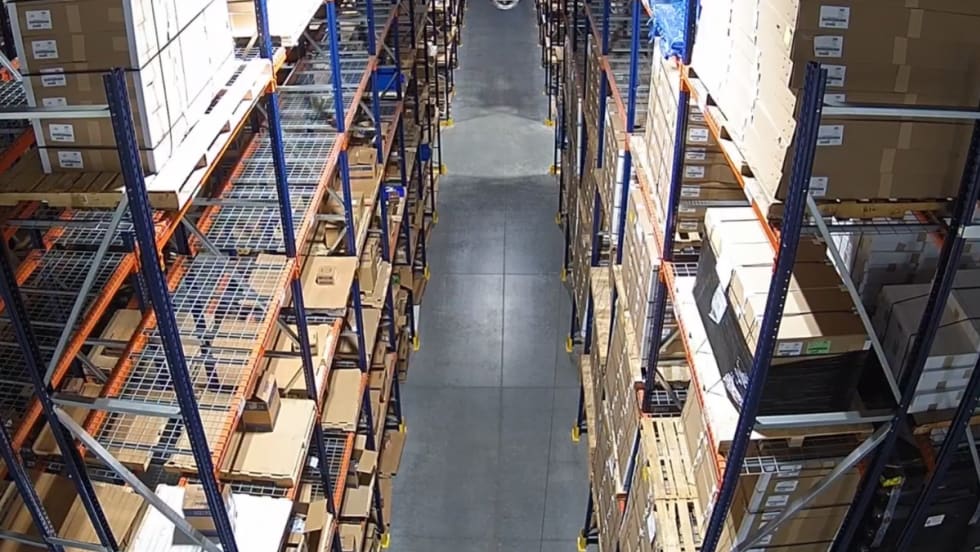
Phillips Opens High-Tech Distribution Center for Faster Parts Delivery
Phillips Industries’ new Cincinnati-area distribution center is now shipping aftermarket trucking parts nationwide, aiming to speed up delivery times for customers.
Read More →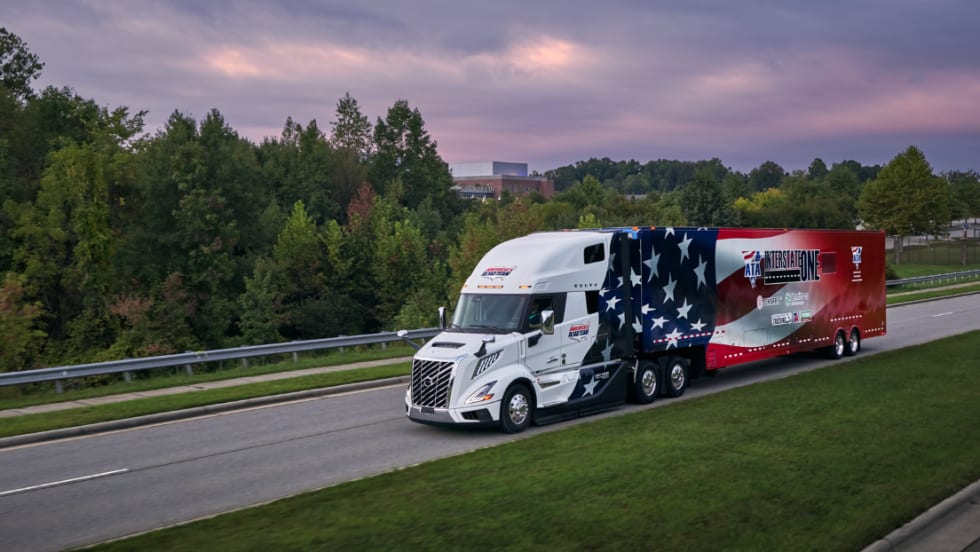
Volvo to Sponsor America’s Road Team for 2025
Volvo Trucks announced that it is extending its exclusive sponsorship of America’s Road Team for 2025.
Read More →
Webb to Start Taking Orders for UltraSet Pre-Adjusted Wheel Hubs
Webb, which recently acquired the Stemco Trifecta pre-adjusted hub program, will soon start taking orders for its replacement pre-assembled hub, the UltraSet.
Read More →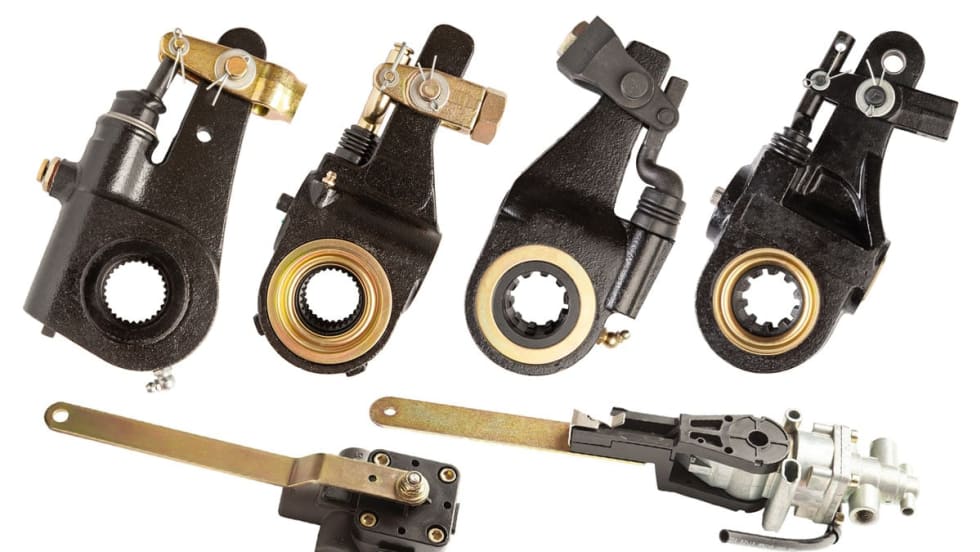
All-Makes Automatic Brake Adjusters, Ride Height Control Valves from Midland
SAF-Holland has added automatic brake adjusters and ride height control valves to its Midland All-Makes Program.
Read More →
ZF Aftermarket Expands [pro]Academy Training
ZF Aftermarket said it is expanding its ZF [pro]Academy training and will be adding 40 new modules this year.
Read More →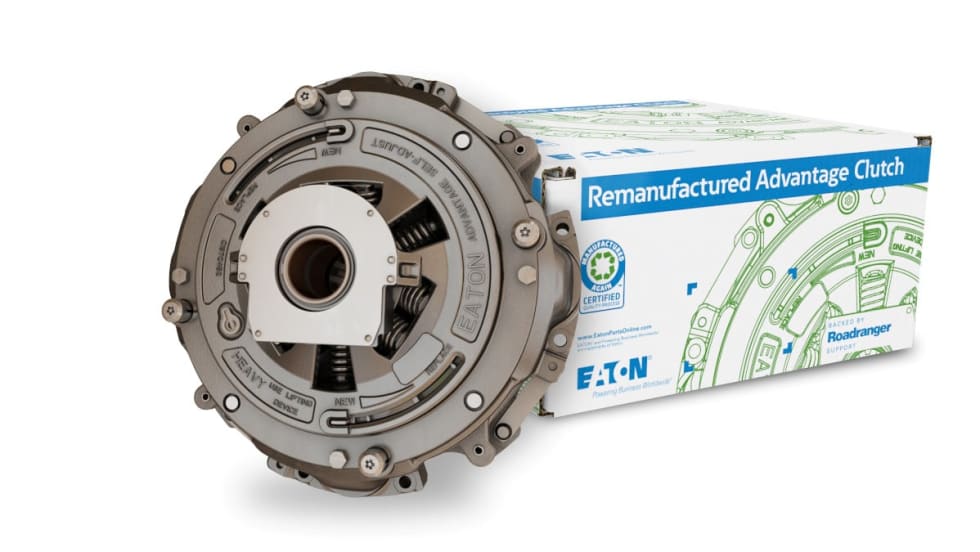
Eaton Adds Remanufactured Advantage Line of Clutches
Eaton has added its Advantage clutches to its remanufactured product line. The clutches feature a unique strap drive intermediate plate designed to allow customers to choose the latest OE specification
Read More →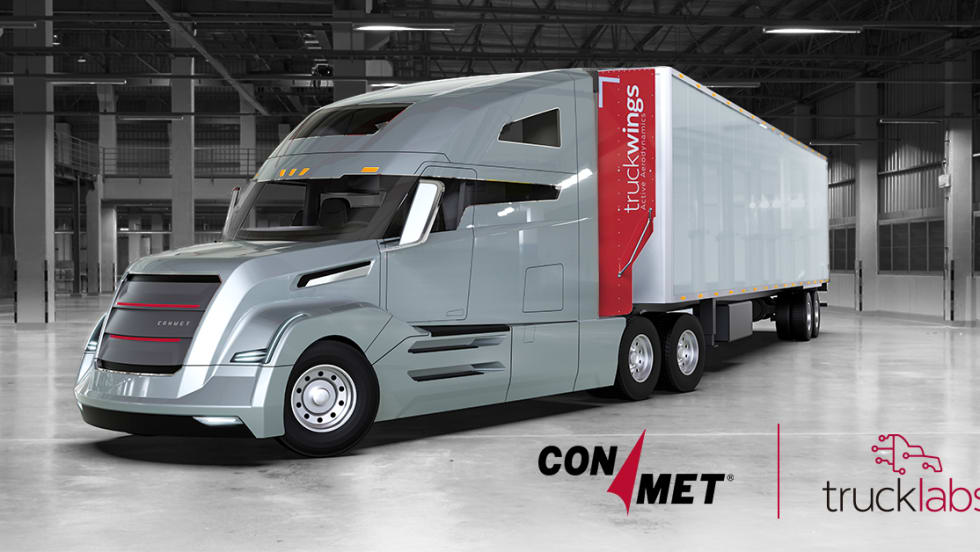
ConMet Acquires TruckLabs, the Creator of TruckWings
Commercial truck and trailer parts provider ConMet acquired TruckLabs, the company that created TruckWings, an aerodynamic device that attaches to truck cabs and deploys to close the gap between truck and trailer. TruckLabs now operates as a subsidiary of ConMet.
Read More →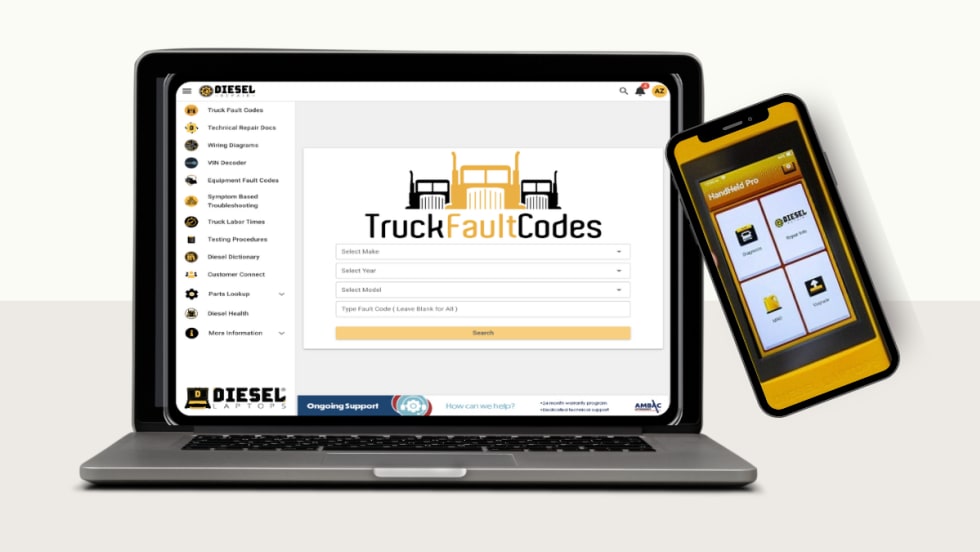
Diesel Laptops Releases Fault-Code-to-Part-Number Tool
Diesel Laptops said its Truck Fault Codes allows users to input a fault code and immediately identify and order the parts needed to complete repair work.
Read More →
Heavy Duty Parts and Labor Costs Dropped in Q2
A benchmarking report from TMC and Decisiv reveals good news for fleets as heavy-duty parts and labor costs dropped in the second quarter of 2023.
Read More →