




Getting Your Work Truck Ready for Winter
Winter weather and the harsh driving conditions that come with it can be hard on trucks, but Mitsubishi Fuso Truck of America suggests that downtime can be minimized with proper maintenance procedures.

Winter weather and the harsh driving conditions that come with it can be hard on trucks, but Mitsubishi Fuso Truck of America suggests that downtime can be minimized with proper maintenance procedures.
Here is a list of winter preparation measures that should be part of every owner's truck maintenance program, the company says. Some are routine and apply to every vehicle in the fleet; some are more specific to medium-duty trucks, but all will help keep trucks safely on the road in spite of the rigors of winter driving.
One of the newest items in the maintenance checklist appears courtesy of the EPA 2010 emissions regulations - specifically for diesel engine models using urea-based diesel exhaust fluid in their emissions control systems.
The freezing point of DEF is 12F (-11C), so it is likely to freeze in many northern locales, but should thaw under normal operation within 45 minutes, as virtually all medium-duty trucks' emissions systems are designed to accommodate this. Periodic checks for any system leaks are an important part of a winterization regimen.
While medium-duty trucks have typically used block heaters to keep engine oil warm, some newer models use oil-pan heaters. These latter units are mounted to the pan, and heat the engine pan and oil directly, so they can be smaller and more efficient than block heaters.
Block heaters, on the other hand, are typically mounted 12 inches or so above the oil pan, and generally heat the engine coolant, which in turn conducts heat to the block to aid in cold-weather starting.
Coolant life is typically specified by the coolant manufacturers at 24 months, so if coolant is older than that, the system should be flushed and the coolant replaced.
While the antifreeze properties of the coolant may not dissipate with time, additives that provide corrosion protection, anti-gumming and other ancillary protection functions do break down with time, compromising overall performance.
For diesel engine models, make sure fuel is ASTM D-975 Grade 1 diesel in areas where temperatures may drop below 10 degrees (-12C). Note that for diesel particulate filter-equipped vehicles, ultra low sulfur diesel is required in all temperature conditions.
Service the fuel filter, and drain the water separator to prevent freezing.
Test the battery and clean the connections. While battery degradation occurs much more rapidly in hot weather, it is under the high starting load they face in cold weather that batteries typically fail.
Check windshields for minor chips and pitting. As temperatures decrease and sheet metal contracts, stress on windshields can increase.
Have small chips repaired to help avoid crack propagation and the need for a full windshield replacement.
Check windshield wiper blade condition and replace as necessary. Check and fill windshield washer reservoirs regularly, being sure to use proper winter dilution levels.
Check the operation of heated mirrors, if so equipped.
Check tire condition and make sure tread thickness is a minimum of 5/32-inches for winter driving. Ensure tires are properly inflated.
For harsh winter conditions, consider a truck with a limited-slip differential, or consider adding a four-wheel drive model.
Put tire chains in the vehicle if severe snow or ice conditions are anticipated.
Check ABS operation at the start of the winter season, even if this requires a variance from the regular brake maintenance schedule.
Also monitor stroke adjustment on drum brakes, fluid levels and parking brake operation.
Check exhaust systems to assure they are free of leaks.
Sitting in slow-moving traffic, creeping because of heavy weather, or parked with the engine running to maintain cab temperature can increase the risk of carbon monoxide entry into the cabin.
On diesel-engine models, check glow plug operation.
Check all belts and hoses, and replace as necessary.
Clean the cab, body and undercarriage weekly to remove road salts in heavy snow areas.
Keep radiator frontal surface clean and free of bugs, dirt and debris.
Check heater/defroster operation, including function/position of the directional vanes in the system to assure effective defrosting.
Prepare emergency kit - check road flares, fire extinguisher, reflective triangles, first aid kit, water, solar blanket, jumper cables, etc.
Remember that safety extends beyond your own fleet to people you share the road with, so check mudflaps regularly, and replace as necessary.
More Maintenance

Bendix Upgrades Trailer ABS With Smarter Diagnostics
The new iTABS X system replaces Bendix's TABS-6 Standard trailer ABS, adding faster diagnostics and connectivity that could help fleets identify brake-system problems before they lead to downtime.
Read More →
CVSA Sets 2027 International Roadcheck Dates
The annual 72-hour truck inspection blitz will take place May 11–13 across North America. Here's what fleets can expect and what inspectors found during the 2026 event.
Read More →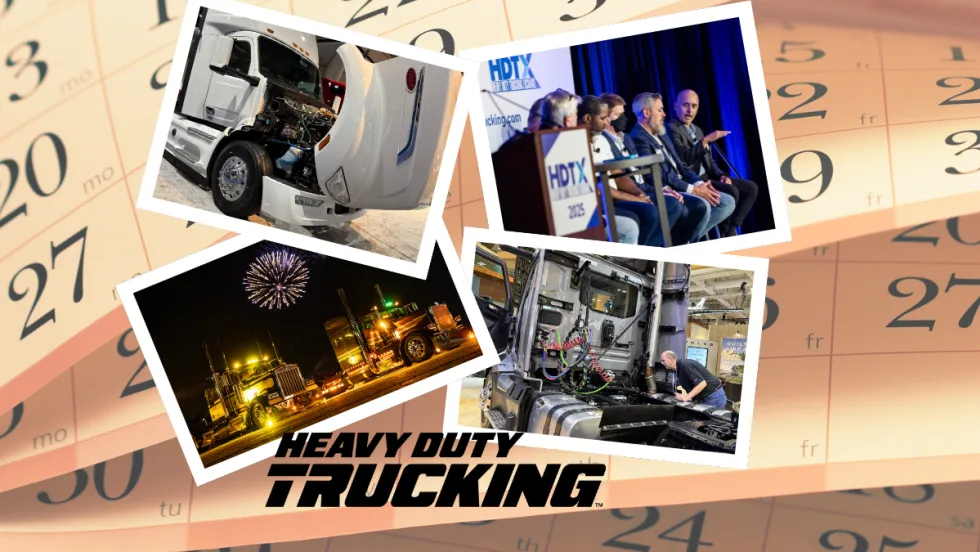
What Trucking Events are Happening in 2027?
Looking for trucking-related conventions, expos, and other events? Heavy Duty Trucking has developed this list of national and larger regional trucking shows and events.
Read More →
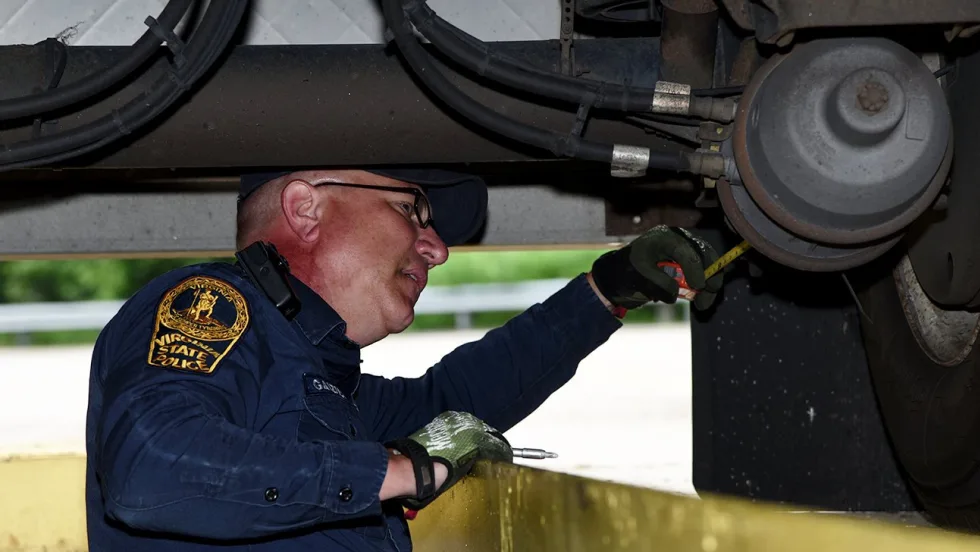
Brake Problems Sideline 15% of Inspected Trucks
During CVSA's 2026 Brake Safety Week, inspectors placed nearly 2,400 commercial vehicles out of service for brake violations, including problems with defective brakes, hoses, drums and rotors.
Read More →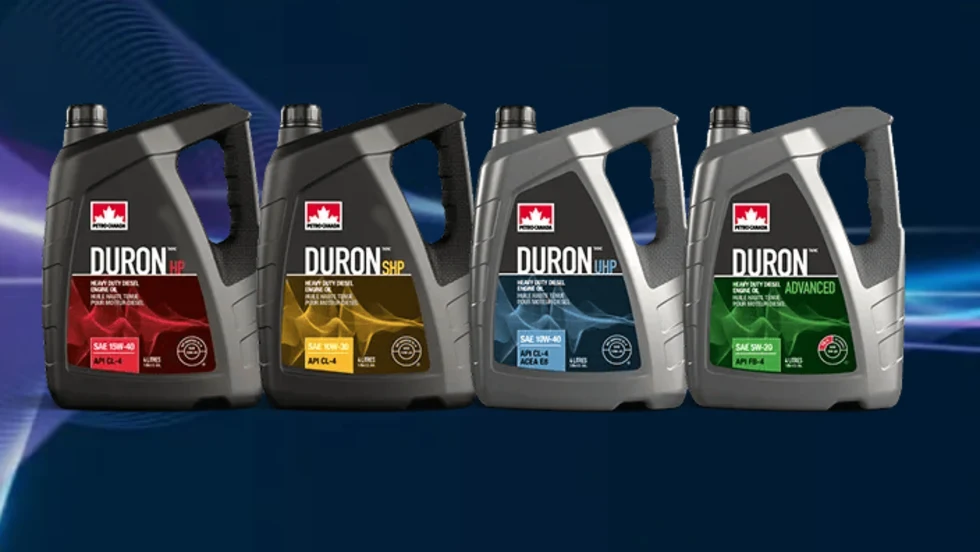
Unlocking the performance advantages of PC-12
2027 will mark the arrival of a new generation of heavy-duty engine oils. PC-12 reflects how far engine design has advanced and the demands that progress places on heavy-duty lubricants. Here’s what the transition means to your fleet.
Read More →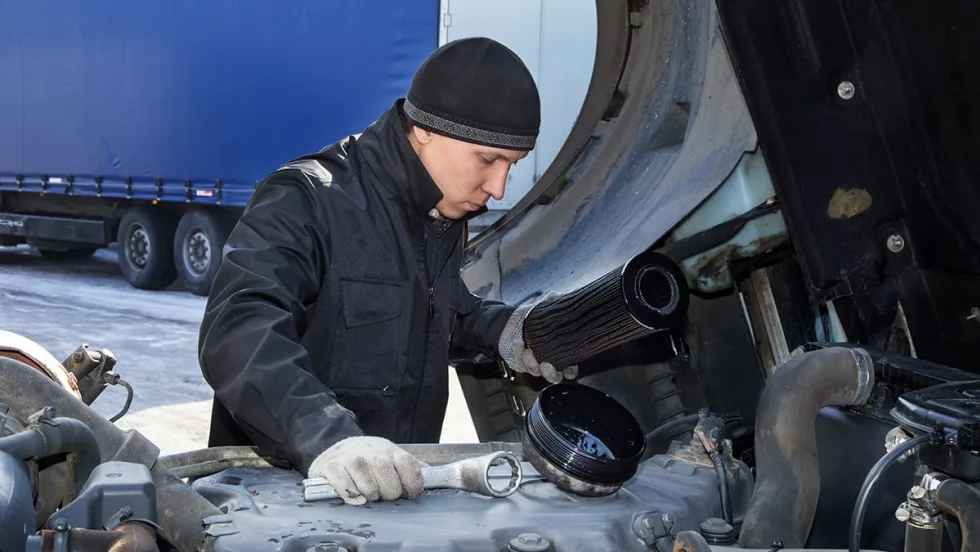
6 Tips for Troubleshooting Cold-Weather Truck Problem: Don't Guess, Diagnose it
Cold weather can expose hidden truck problems. Discover six practical troubleshooting tips to pinpoint the cause, avoid unnecessary repairs and keep trucks on the road.
Read More →
How GP Transco Builds Fuel Savings a Fraction at a Time
Aerodynamic specs, solar panels, and driver incentives help GP Transco turn small efficiency gains into savings it can reinvest in its people.
Read More →
Oil Crisis Squeezes Trucking Lubricant Supplies
Fleets report higher lubricant costs as Middle East disruptions tighten supplies of ingredients used in synthetic engine oils and some driveline lubricants.
Read More →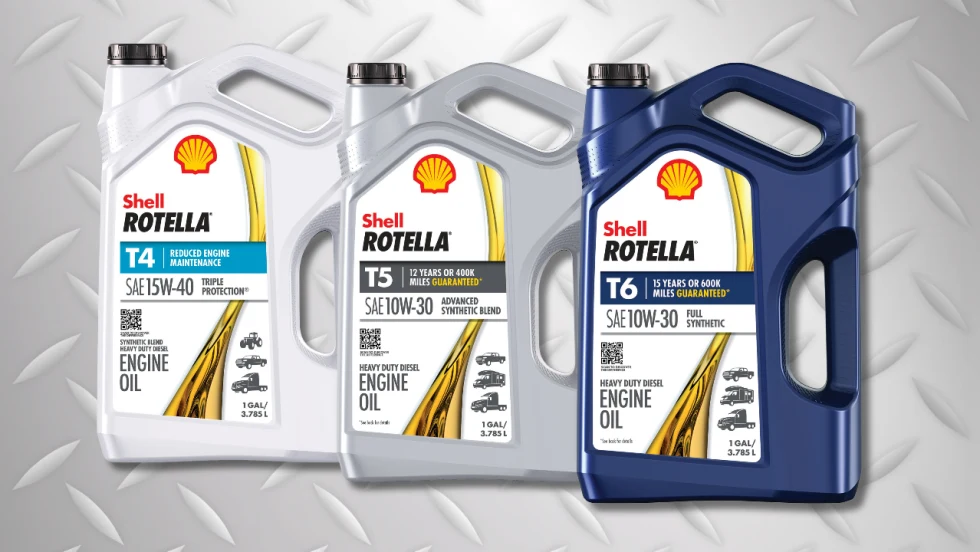
Shell Prepares Rotella Oils for 2027
New CL-4 and FB-4 formulations will begin arriving in early 2027, with improved protection against oil breakdown, wear and deposits, according to Shell.
Read More →
Mack Expands Extended Coverage With Four Chassis System Plans
Mack Trucks' new system-specific coverage options allow heavy-duty fleets to select protection for driveline, cab, HVAC, electronics, and advanced safety components.
Read More →