




Using a Safety Program to Get the Best Rates in a Hard Market
With a hard market on the way for the insurance industry, it's more important now than ever to shore up your safety program (although developing a safety culture should always be a focus, no matter what the market conditions.

With a hard market on the way for the insurance industry, it's more important now than ever to shore up your safety program (although developing a safety culture should always be a focus, no matter what the market conditions.)
With market conditions growing continuously more difficult, a safety program can have a significant impact on your premium.
Whether you're starting a safety program for the first time or looking to improve your existing program, the following are the critical elements of a successful program.
The total value of an effective safety program is difficult to measure. How can you calculate the value of accidents that didn't happen? From working with hundreds of businesses over the years, however, I can assure you that companies with a commitment to safety have experienced far fewer premium increases than companies with poor safety programs. In almost every case, an effective program pays dividends.
Even if you already have a safety program, make sure you're continuously improving and keeping it fresh. There is danger in becoming complacent and taking an effective safety program for granted when it's achieving its natural goal of managing your risks. If you eliminate or decrease your safety resources, be prepared to incur more losses.
We like to break losses down into three categories: workplace/employees, third-party liability and property/assets. You can impact each of those areas with a safety program, either by creating or improving one.
Effective safety programs begin with management's safety philosophy and commitment to creating a safety culture. Continuous reinforcement is important to effectively getting this across.
Do an honest assessment of how management's view on safety is perceived. Is safety the top priority, or is it sacrificed from time to time for increased productivity? Are leaders presenting conflicting messages?
Unclear priorities from senior leadership on this will create confusion among employees and jeopardize the success of a safety program. This is a very common problem.
Involving employees in your safety program is the key to its success. Begin with the recruitment of individuals who share your safety philosophies and subject them to drug/alcohol testing.
Once you have the right people, you will need to establish a strong and consistent training program. Training should be ongoing, and although annual or semi-annual safety meetings are good, monthly training programs are even better. Depending on the size and type of your operation, you might consider short meetings each week to provide a constant reinforcement of your safety message.
Gaining respect and trust from your employees can be difficult, so recognizing and rewarding them for excellent safety practices is crucial to your program's overall success. On the other hand, an unsafe employee can be detrimental to your company's success. Discipline and, at times, termination have to be a part of your safety program as well.
Although safety should be everyone's job at the company, empowering safety supervisors or a safety committee who are responsible for ensuring a safe workplace. Establishing ownership of the program is critical and provides focused leadership for the effort.
Consistent and organized documentation will help you communicate your safety efforts to underwriters and protect your business in the event of a loss. Beyond that, it is also the best way to communicate and reinforce your message to employees.
Start by establishing program goals and share them with your workforce. Written policies, rules and regulations should also be shared and enforced with employees. It is a good idea to post the policies along with the goals in a visible location.
By properly reporting and monitoring employee injuries and accidents, you can minimize the impact to your Worker's Compensation experience rating. Complete reports immediately following an injury or accident and follow the progress of your claim with the adjuster. You can minimize total claim costs by controlling the medical expenses and providing an early return to work program.
Safety has to be an ongoing effort - don't get complacent. Embrace the new Lowe's slogan "Never Stop Improving" as the mantra of your safety program.
Conduct regular inspections to identify hazards and/or problem areas within your organization. Form a team composed of safety supervisors and management who have the experience to identify dangers and have the resources and authority to correct them immediately.
Keep safety efforts fun to prevent things from getting stale. Celebrate with employees when you achieve milestones such as X days incident-free, and look for ways to reward successes (instead of just punishing the mistakes).
Remember, no matter what insurance environment we're experiencing (hard or soft market), reducing your losses always improves your bottom line.
Look at your safety expenses as an investment. Your return on investment will vary from year to year. In light of your total cost of risk, you will find your safety program is a necessary investment that will provide a valuable return.
This article originally appeared on HNI's blog and is reprinted with permission.
More Safety & Compliance

How Waste Connections is Using Data, Telematics, and AI
How do you manage and maintain more than 18,000 connected trucks? Data. Lots of it.
Read More →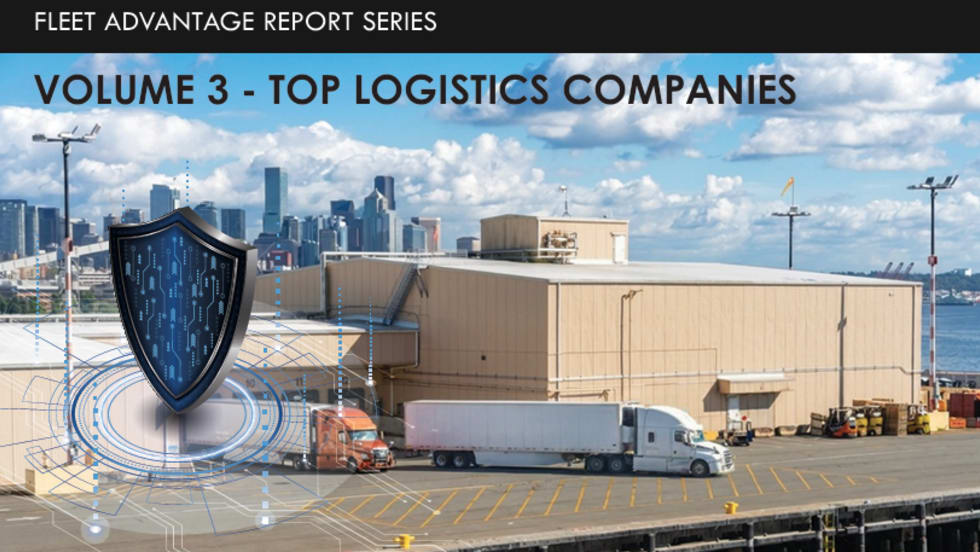
Fleet Advantage: Top Logistics Fleets Outperform National Safety Benchmarks
Fleet Advantage's latest TRUST Safety Index found leading logistics fleets maintained significantly lower out-of-service rates and stronger safety scores than national averages, while highlighting persistent challenges related to tires, brakes, and unsafe driving behaviors.
Read More →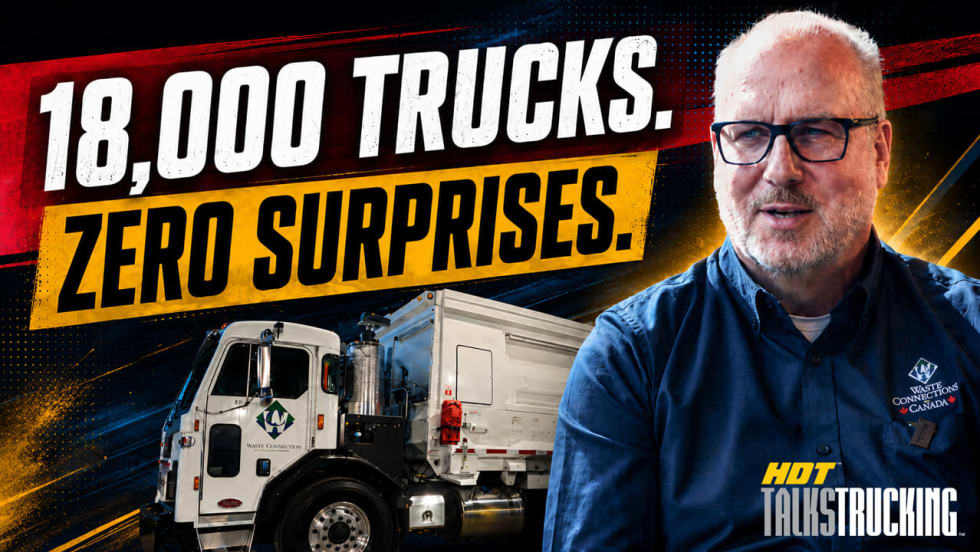
Why Fleet Data Matters More Than Ever at Waste Connections [Watch]
Waste Connections' Chuck Palmer explains how telematics, predictive maintenance, safety analytics, and AI help keep vehicles on the road and drivers safe in this episode of HDT Talks Trucking.
Read More →
Short Takes: How K&B is Using AI
Fleets need to "get on board the train" with AI, says Lance Evans of K&B Transportation in this HDT Talks Trucking Short Takes episode.
Read More →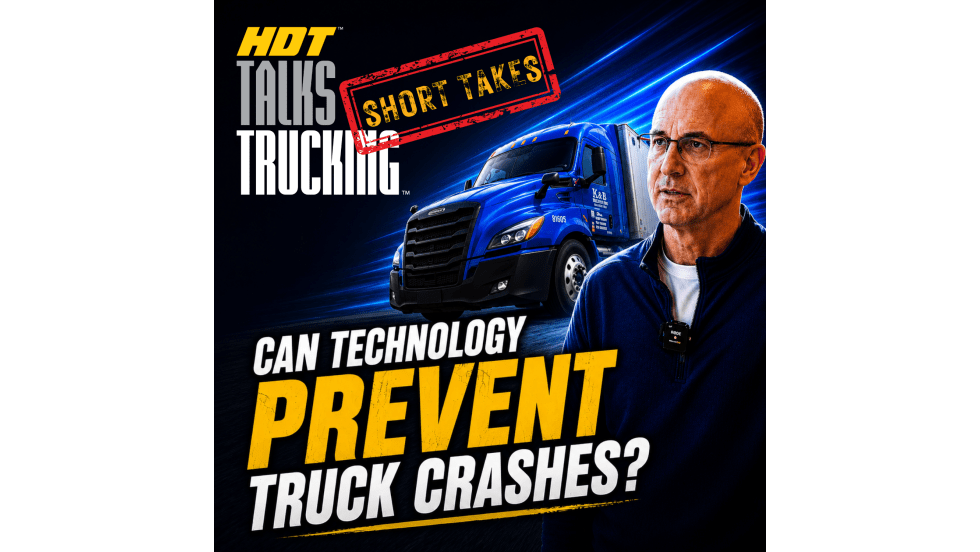
Short Takes: Inside K&B’s Truck Safety Tech
Listen to learn how K&B Transportation uses cellphone-blocking technology, speed management systems, weather geofencing, bridge avoidance tools, and more to improve driver safety.
Read More →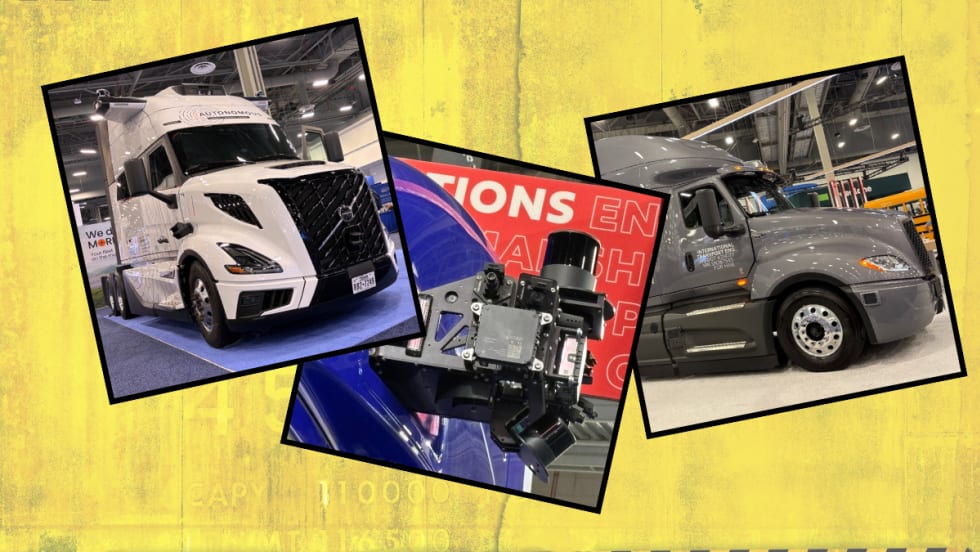
The Biggest Gap in Driverless Trucking Isn’t Tech. It’s Safety Validation
Nauto’s Stefan Heck says autonomous trucks are advancing quickly but proving they’re safe enough for large-scale deployment may be the industry’s hardest challenge.
Read More →
Truck Crash Rates Are Down. So Why Do Insurance Costs Keep Rising?
ATRI’s latest research points to litigation, social inflation, and soaring claims costs as key drivers behind record-high liability premiums for trucking fleets. But there are things motor carriers can do.
Read More →
FMCSA Removes More Than a Dozen ELDs from Registered List
The FMCSA continues its efforts to fight electronic logging devices that don't meet federal requirements, removing more than a dozen from the registered ELD list in May.
Read More →
How the Supreme Court Broker Liability Ruling Could Reshape Trucking’s Safety Landscape
The Supreme Court’s May 11 broker-liability ruling may not radically rewrite transportation law overnight. But industry experts say it will intensify pressure on brokers, carriers, and shippers to prove they are prioritizing safety.
Read More →
Recall of Fontaine Fusion Flatbeds Warns Owners Not to Use the Trailers
Some Fontaine Fusion flatbed trailer manufactured between February 2025, and March 2026 could have mainbeams weakened by hydrogen embrittlement because of a problem in the galvanizing process.
Read More →