




Developing a Plan to 'Green' a Truck Fleet
SCHAUMBURG, IL - Tackling the challenge of "greening" medium-duty trucks was the focus of one of the conference sessions at the 2012 Green Fleet Conference last week, with the NTEA's Fleet Relations Director Bob Johnston presenting a plan truck fleets can follow to successfully meet their sustainability goals
SCHAUMBURG, IL - Tackling the challenge of "greening" medium-duty trucks was the focus of one of the conference sessions at the 2012 Green Fleet Conference last week, with the NTEA's Fleet Relations Director Bob Johnston presenting a plan truck fleets can follow to successfully meet their sustainability goals.
The goal of the plan, Johnston said, is for the fleet manager to determine his or her fleet options and match them to the correct fleet application. He outlined several major factors to consider in the plan, including duty and drive cycle, capital investment, ROI, vehicle availability, and fuel availability.
To start, he suggested that the fleet define the drive cycle for its vehicles. To do so, he said the fleet manager needs data. He noted that many fleets have multiple drive cycles, for example in urban, suburban, and rural areas.
One tool fleets can use that Johnston identified is from the National Renewable Energy Laboratory (NREL) and is called Fleet DNA, which calculates the kinetic energy requirements for a vehicle. When combined with the NREL DRIVE program, using this tool can match a vehicle to the energy model developed by Fleet DNA based on known drive cycles.
The next stage in the planning process is to match available technologies to objectives. Johnston emphasized that "one size does not fit all" applications in a fleet. Fleets must take into account operational and financial considerations when it comes to selecting a vehicle and related technologies. Operational considerations include possible range limitations, payload factors, and vehicle flexibility.
Next, cost considerations include the initial vehicle acquisition costs, infrastructure costs (he cautioned not to overlook the costs of training and new equipment when evaluating infrastructure) alternative-fuel costs, possible regulatory non-compliance costs, and the overall return-on-investment for a specific alternative-fuel vehicle.
Overall, the plan to green a truck fleet involves many factors. Johnston said that although you want to green your fleet, you always want to reduce your operating costs. He added that fleet managers always have a responsibility to the fleet as well as the environment.
Greg Basich and Lauren Fletcher write for HDT sister publication Green Fleet magazine.
More Fuel Smarts
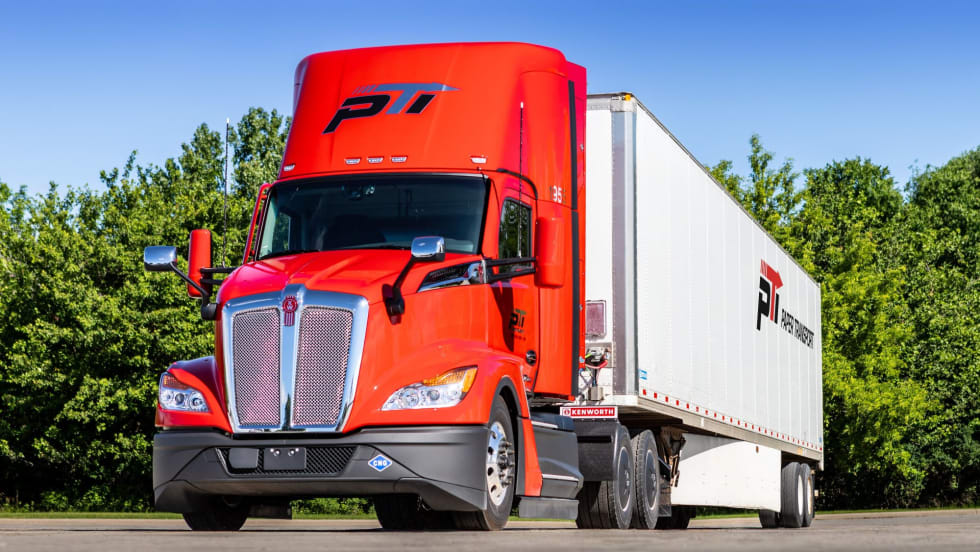
Lessons Learned About Alternative Fuels: Start Small, Stay Flexible
Practical advice on adopting alternative fuels and ZEVs from HDT's 2026 Top Green Fleets, from renewable diesel and natural gas to electric trucks.
Read More →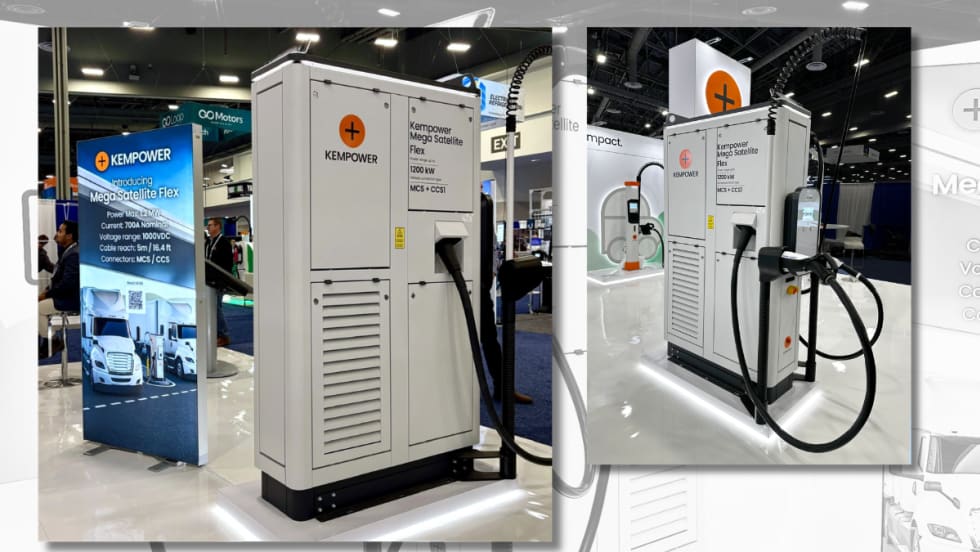
Kempower Adds Flex EV Charger to Help Support Transition to Megawatt Charging
The Kempower Mega Satellite Flex has both a CCS and MCS connector, allowing operators to serve both types of heavy-duty vehicles.
Read More →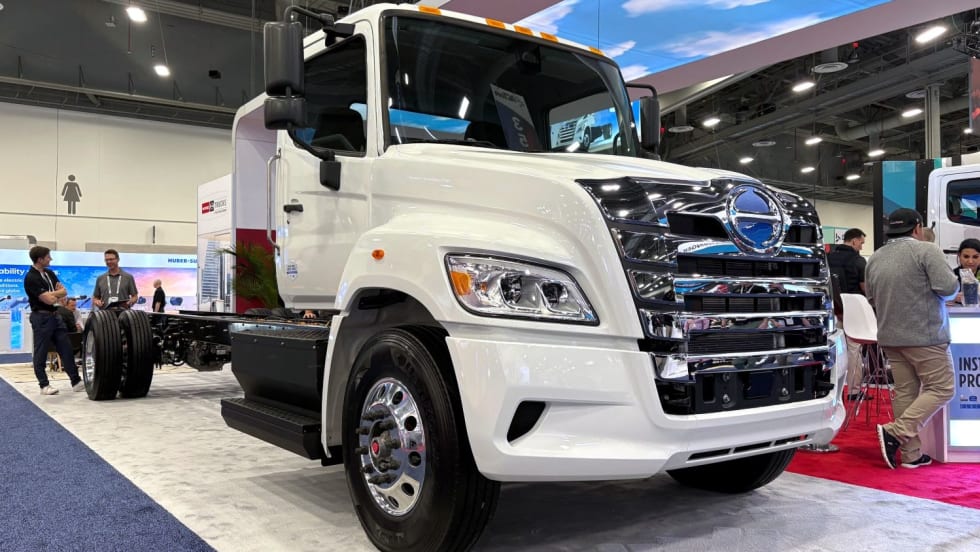
Hino Adds Electric Class 6/7 Truck
Hino says the Le Series is an important step in the company's efforts to reduce environmental impact and support its customers’ sustainability goals.
Read More →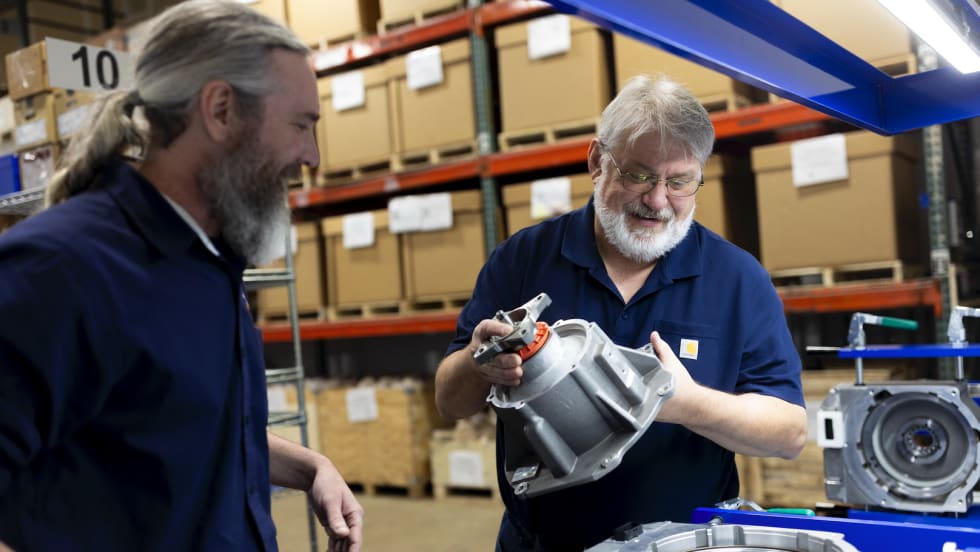
Can Multi-Speed EV Transmissions Solve Heavy Trucking’s Biggest Electric-Vehicle Problems?
A startup called Sigma Powertrain believes purpose-built multi-speed gearboxes can boost efficiency, reduce battery size and improve gradeability for heavy-duty battery-electric trucks.
Read More →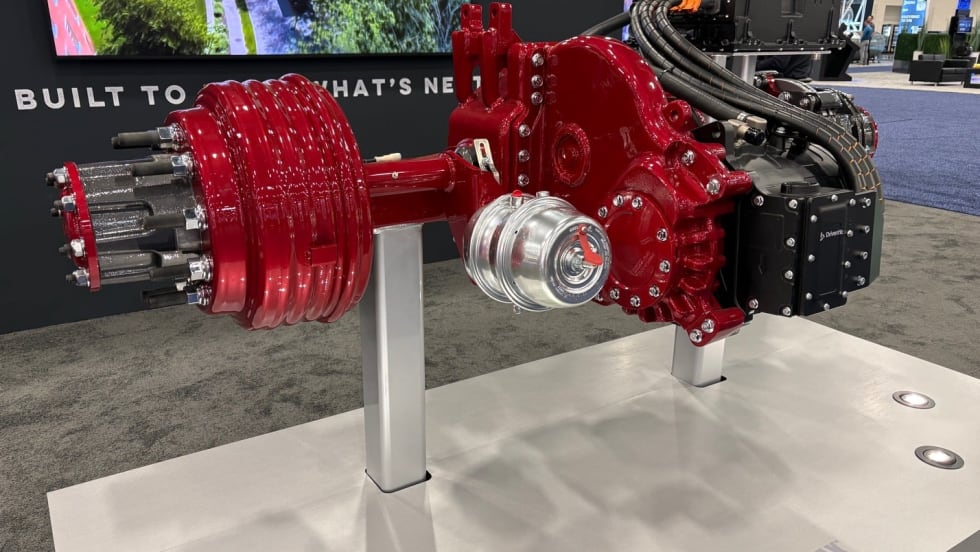
Hendrickson Debuts Electraax E-Axle for Medium-Duty Trucks
Developed with Driventic, Hendrickson's new integrated e-axle is designed to improve efficiency, reduce weight, and extend range in Class 6-7 EV applications.
Read More →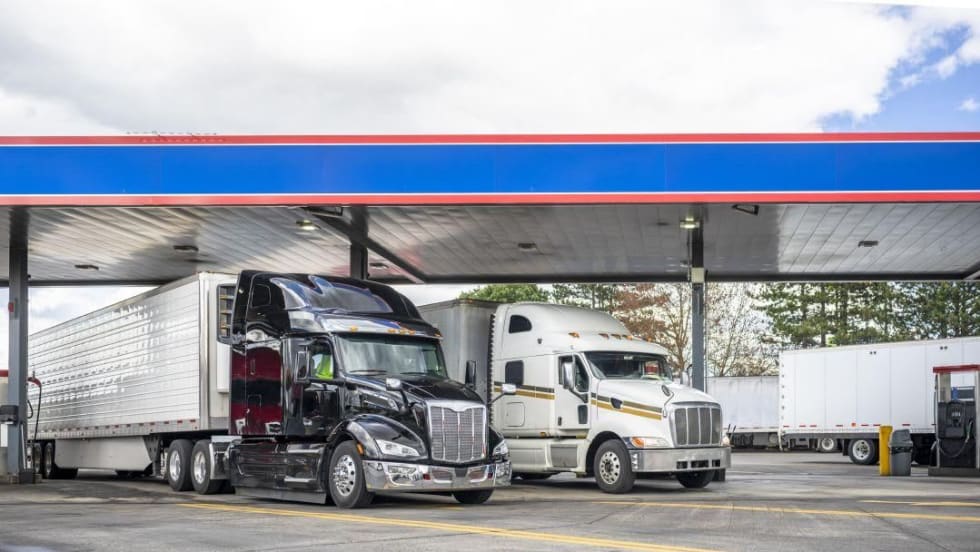
50 Ways Fleets Can Cut Fuel Costs Now — Without Buying New Trucks
Fuel savings don’t come from one big change. They come from dozens of small ones. Here’s how leading fleets are stacking gains across drivers, routing, maintenance, and more.
Read More →
Top Green Fleets 2026: How Fleets Are Reducing Emissions in the Real World
What works in sustainable trucking today? Heavy Duty Trucking's Top Green Fleets are finding practical ways to cut fuel use, reduce emissions, and keep freight moving.
Read More →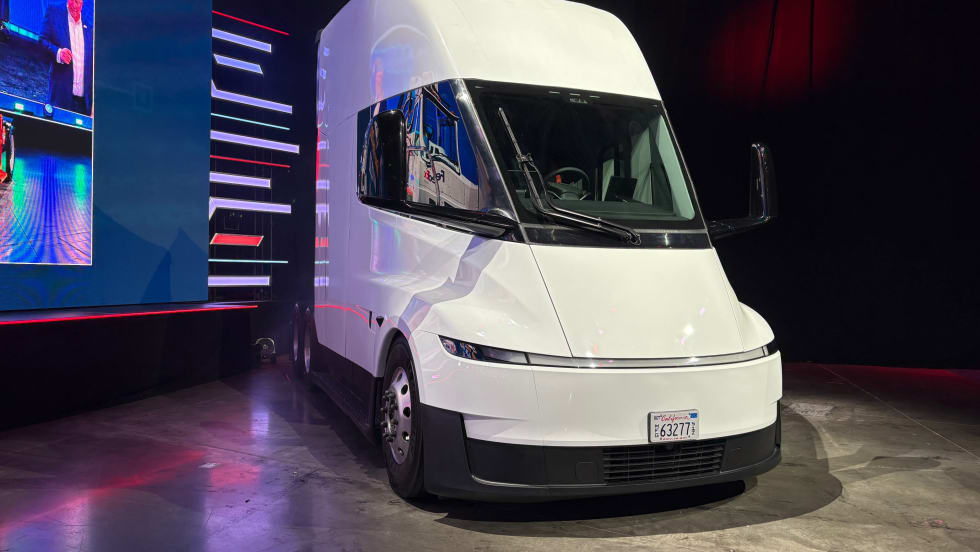
California Launching $1 Billion Electric Truck Rebate Program
CARB says the California Clean Fuel Reward program will begin offering point-of-sale rebates of up to $120,000 for electric commercial trucks starting June 26.
Read More →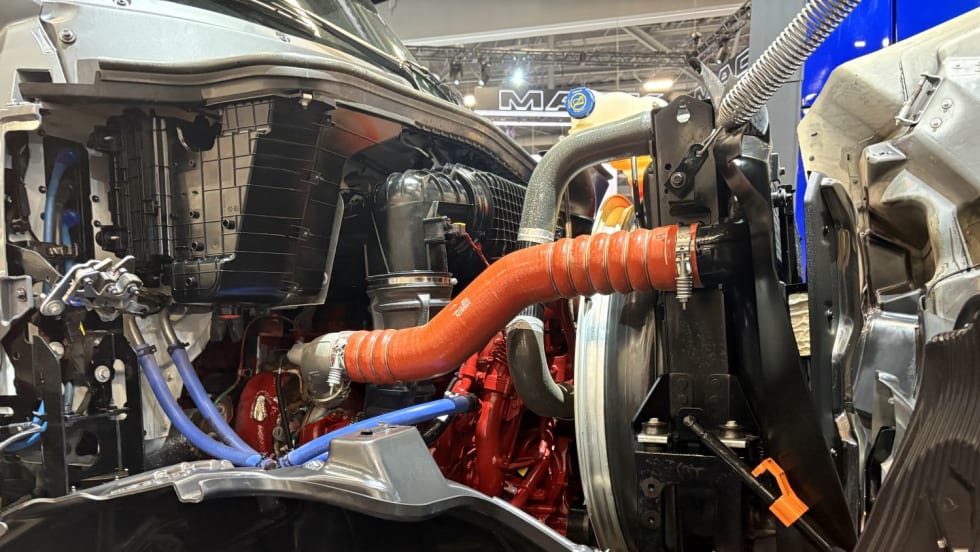
Mack Unveils EPA 2027-Compliant MP13 Engine With More Power, Better Fuel Economy
Along with unveiling its EPA 2027-compliant MP13 engine, Mack outlined powertrain changes across its Class 6-8 lineup, including new Cummins-based X10 engines.
Read More →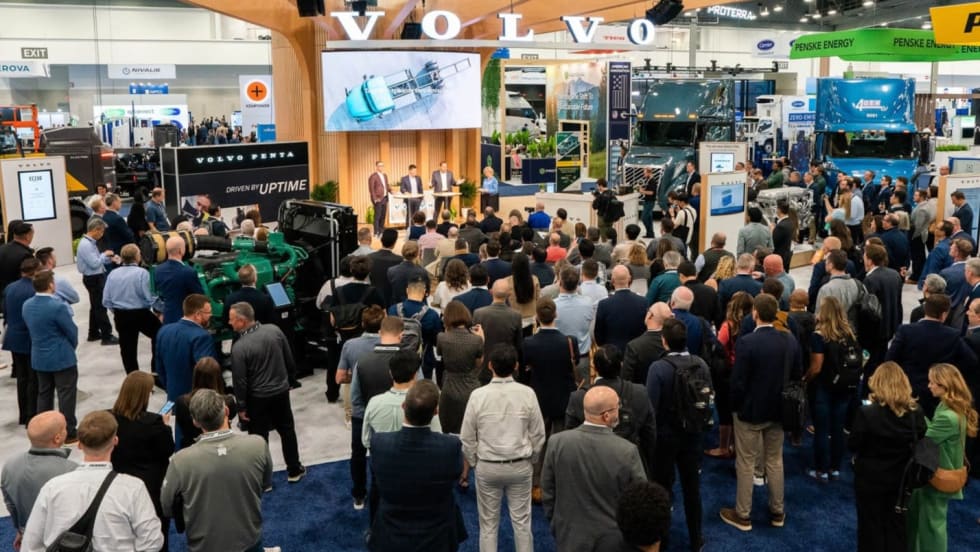
How Volvo’s New D13 Engine Meets EPA 2027 Emissions Without Sacrificing Power or Fuel Efficiency
Volvo says advances in combustion and aftertreatment helped its new EPA 2027 D13 engine avoid the fuel-economy penalties many once expected from tighter NOx emissions limits.
Read More →