




Natural Gas: What Fleets Need to Know - Survey Shows Fuel Availability, Equipment Cost as Hurdles
More than half of large carriers say they are considering buying natural gas fueled trucks, but there are hurdles, according to a new study from Transport Capital Partners and ACT Research

More than half of large carriers say they are considering buying natural gas fueled trucks, but there are hurdles, according to a new study from Transport Capital Partners and ACT Research.
Slightly over half (51.4%) of the carriers surveyed are considering natural gas fueled trucks when new trucks are purchased.
"The survey confirms the growing interest in natural gas by carriers encouraged by the large difference in price, but also shows the complexities of choices in terms of type of fuel, fuel supply systems, payload impact, station availability and so forth," says Richard Mikes, TCP Partner and survey leader.
The biggest concern was fuel availability, with 94% of respondents citing fuel station availability as an obstacle. Almost 90% are concerned about higher vehicle purchase prices. Additional concerns include needed product specs/performance and secondary market value.
While carriers are potentially interested in natural gas as a fuel alternative, three-fourths of carriers said they would need a payback in only one to two years to facilitate a purchase decision.
"The good news about natural gas as a source of energy for transportation is that the diesel gallon equivalent (DGE) compared to diesel is relatively insensitive to major swings in domestic natural gas spot prices," says Ken Vieth, senior partner and general manager of ACT Research. "Diesel, in contrast, is highly sensitive to crude oil prices globally with major price swings possible."
Half of the carriers surveyed reported that they would evaluate the new truck technology in this year and the next, with 28% saying that there will not be any new plans until 2013. A handful of the carriers stated that their decisions would depend on the success and performance of the technology as well as the results from other carriers implementing the change.
"The carrier's overall decision can best be viewed through a truck life cycle economic model," Mikes says. Such a model would consider initial costs of natural gas engines/systems, possible revenue reductions for payload impact, differential between diesel and natural prices over time, maintenance cost impacts in carrier shops and over the road, and estimated sale price of used equipment.
Almost half of the carriers surveyed would require a commercial natural gas fueling station to be within 100 miles of their operations.
Carriers vary in their knowledge of natural gas as a fuel alternative. Slightly over one-third of respondents reported little knowledge about the potential use of natural gas engines as part of their fleet. Almost half (45.8%) report their knowledge as "average" or "above average."
As for predictions about the future, 29% of carriers expect natural gas fuel will account for under 5% of their fleet five years from now, 27.8% believe it will account for 16-25%, and 19% predict it will account for 6-15% of their fleet.
Of the carriers surveyed, the majority (44.4%) had an approximate length of haul between 300-600 miles.
NATURAL GAS: WHAT FLEETS NEED TO KNOW, contents page
More Fuel Smarts
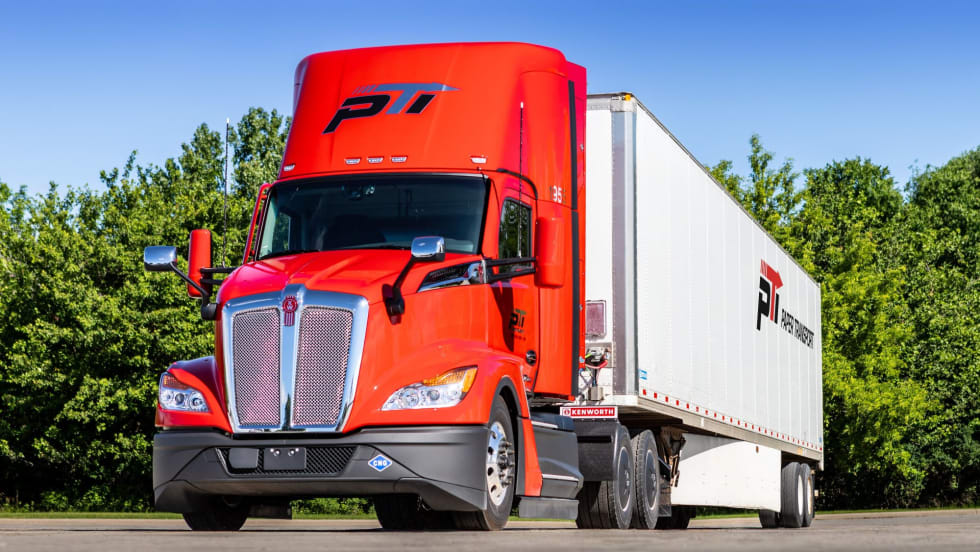
Lessons Learned About Alternative Fuels: Start Small, Stay Flexible
Practical advice on adopting alternative fuels and ZEVs from HDT's 2026 Top Green Fleets, from renewable diesel and natural gas to electric trucks.
Read More →
Kempower Adds Flex EV Charger to Help Support Transition to Megawatt Charging
The Kempower Mega Satellite Flex has both a CCS and MCS connector, allowing operators to serve both types of heavy-duty vehicles.
Read More →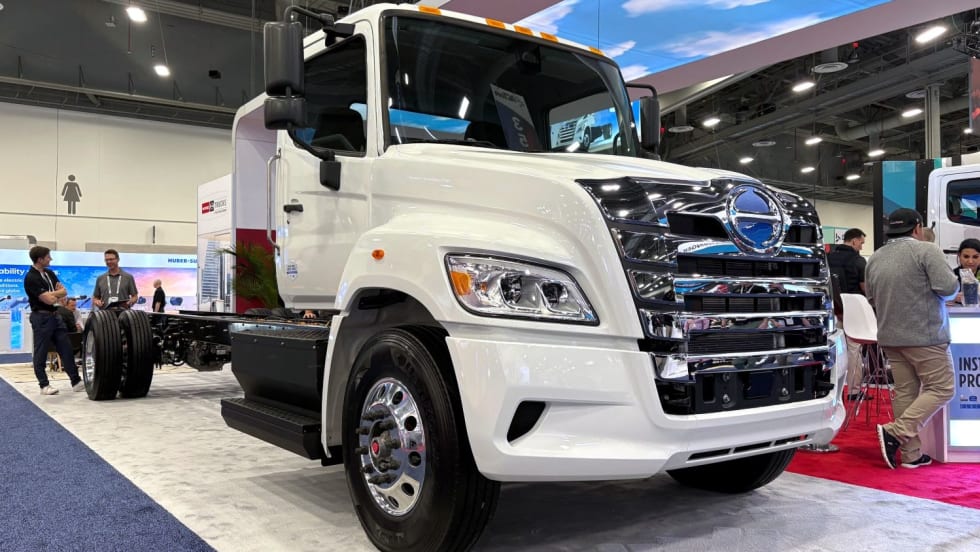
Hino Adds Electric Class 6/7 Truck
Hino says the Le Series is an important step in the company's efforts to reduce environmental impact and support its customers’ sustainability goals.
Read More →
Can Multi-Speed EV Transmissions Solve Heavy Trucking’s Biggest Electric-Vehicle Problems?
A startup called Sigma Powertrain believes purpose-built multi-speed gearboxes can boost efficiency, reduce battery size and improve gradeability for heavy-duty battery-electric trucks.
Read More →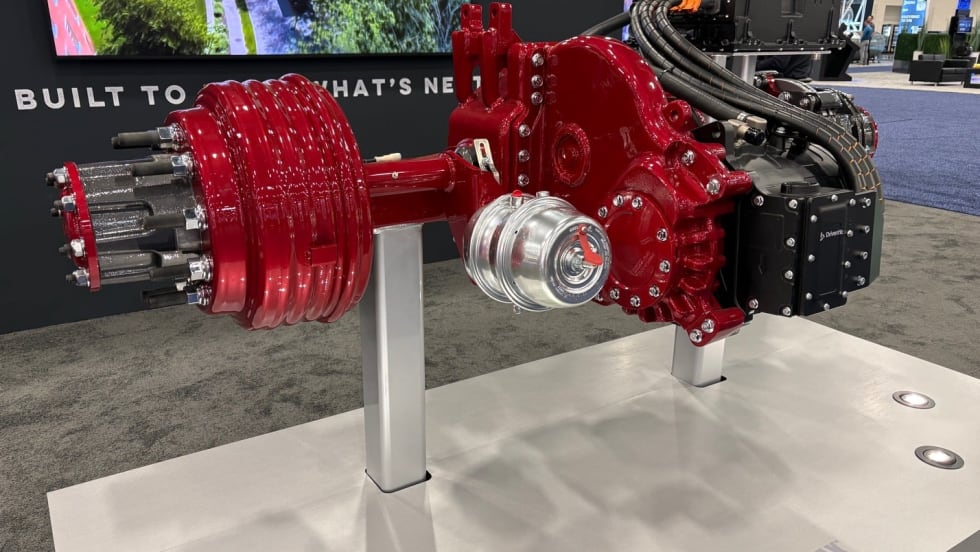
Hendrickson Debuts Electraax E-Axle for Medium-Duty Trucks
Developed with Driventic, Hendrickson's new integrated e-axle is designed to improve efficiency, reduce weight, and extend range in Class 6-7 EV applications.
Read More →
50 Ways Fleets Can Cut Fuel Costs Now — Without Buying New Trucks
Fuel savings don’t come from one big change. They come from dozens of small ones. Here’s how leading fleets are stacking gains across drivers, routing, maintenance, and more.
Read More →
Top Green Fleets 2026: How Fleets Are Reducing Emissions in the Real World
What works in sustainable trucking today? Heavy Duty Trucking's Top Green Fleets are finding practical ways to cut fuel use, reduce emissions, and keep freight moving.
Read More →
California Launching $1 Billion Electric Truck Rebate Program
CARB says the California Clean Fuel Reward program will begin offering point-of-sale rebates of up to $120,000 for electric commercial trucks starting June 26.
Read More →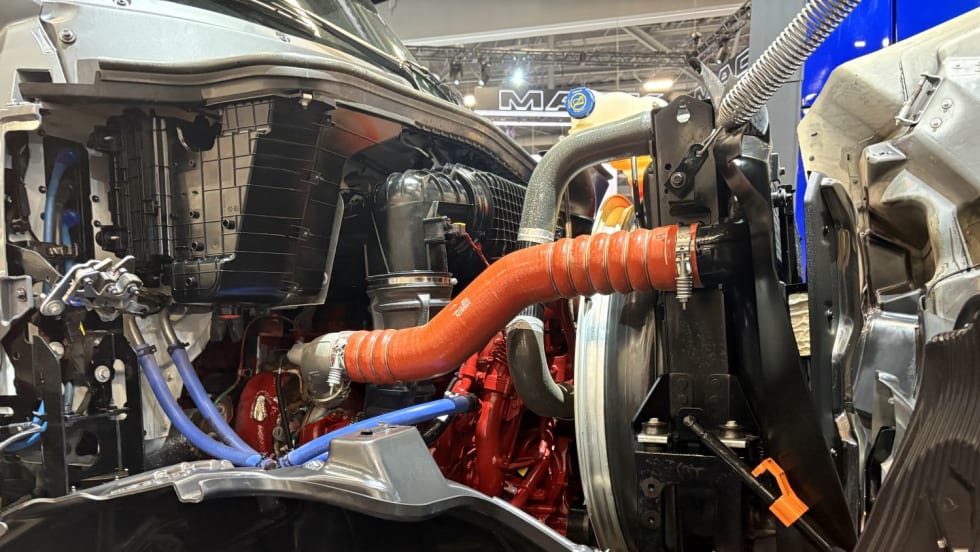
Mack Unveils EPA 2027-Compliant MP13 Engine With More Power, Better Fuel Economy
Along with unveiling its EPA 2027-compliant MP13 engine, Mack outlined powertrain changes across its Class 6-8 lineup, including new Cummins-based X10 engines.
Read More →
How Volvo’s New D13 Engine Meets EPA 2027 Emissions Without Sacrificing Power or Fuel Efficiency
Volvo says advances in combustion and aftertreatment helped its new EPA 2027 D13 engine avoid the fuel-economy penalties many once expected from tighter NOx emissions limits.
Read More →