




Study Sparks Industry Conversation on Fuel Economy
With the fluctuating cost of diesel and the multiple variables affecting fuel efficiency, even the most experienced fleets often are challenged with finding ways to keep improving fuel economy

With the fluctuating cost of diesel and the multiple variables affecting fuel efficiency, even the most experienced fleets often are challenged with finding ways to keep improving fuel economy.
That's why eight commercial fleets collaborated in the first broad-based, multi-party fuel efficiency study. Conducted by the North American Council for Freight Efficiency, the 2011 Fleet Fuel Efficiency Benchmark Study evaluated the adoption and performance of 60 fuel-saving technologies and practices across 75,000 tractors and 130,000 trailers.
Ryder was one of the participating fleets, along with C.R. England, Challenger Motor Freight, Con-way Truckload, Frito Lay, Gordon Trucking, Schneider and Werner. The companies came together to form a study team, and during a four-month period, visited each fleet to review data from 2003 to 2010. NACFE published the results of the study earlier this year, providing insight on the performance of the 60 fuel-saving technologies and identifying several best practices in fuel management.
The NACFE fuel study makes considerable progress in cutting through the noise to help fleets identify the fuel-saving technologies that can work for them. Other fleets now have this information available to learn from their findings and can consider implementing some of these technologies without having to validate or test the technology themselves. Manufacturers can also use the information to understand which of their technologies the market is responding to best.
Ryder's participation in the study yielded a number of key insights about fuel management tools and practices.
For example, one finding affected the engine parameters that are set for fuel economy. Of the two extremes in spec'ing vehicles - an extreme fuel economy spec on one hand and a performance spec (for maximum driveability) on the other - Ryder has generally opted for a balanced spec that can offer enough horsepower for the wide variety of customers we serve in our lease and rental fleet.
However, after participating in the NACFE study, we discovered that the extreme fuel economy spec can provide enough responsiveness from a horsepower/torque perspective while delivering greater fuel cost-savings. We are now moving toward adopting the fuel economy spec as our standard.
Ryder is also taking a closer look at progressive shifting, gear-down protection, and direct-drive transmissions, all of which were areas of focus during the study. Since the study, we have been working on matching the proper vehicle gearing to the newer, low-rpm engines introduced by most manufacturers as part of the EPA 2010 engine platforms. We have been collaborating with OEMs to optimize the fuel economy spec and engine/chassis operating parameters.
Another key finding involved the use of trailer skirts and low-rolling-resistance tires. Before the study, Ryder had shied away from using trailer skirts widely. Although there was some evidence for their fuel-saving potential, the breadth of our customer base and the variability of their vehicle applications had prevented Ryder from adopting trailer skirts as a standard part of our spec. Trailer skirts can yield a definite benefit to the operator if used correctly, but they can also become a cost source and a drag on fuel economy if the wrong type is used, if the trailer skirts become damaged, or if they are used in the wrong applications. Insights from the study, however, have pointed to specific scenarios where trailer skirts can be used to enhance fuel economy.
The NACFE fuel efficiency benchmark study has only just started the conversation on fuel economy. While great progress has been made, there is still much to be learned about the impact of individual technologies and how the investments in these technologies balance out versus cost-savings over time. In fact, NACFE wants to expand on the data and plans to continue adding fleets. Interested fleets can still join and benchmark their fuel practices against others.
The 2011 Fleet Fuel Efficiency Benchmark Study is just the beginning and has opened the door to continue exploring what has long been a pain point for many fleets. When so many fleets come together to share information, everyone comes away winning new information and fresh perspectives.
For more information, go to www.nacfe.org.
Scott Perry is vice president of supply management for Ryder's Fleet Management Solutions business segment and heads Ryder's alternative fuels program. He serves on the board of directors of NACFE.
More Fuel Smarts
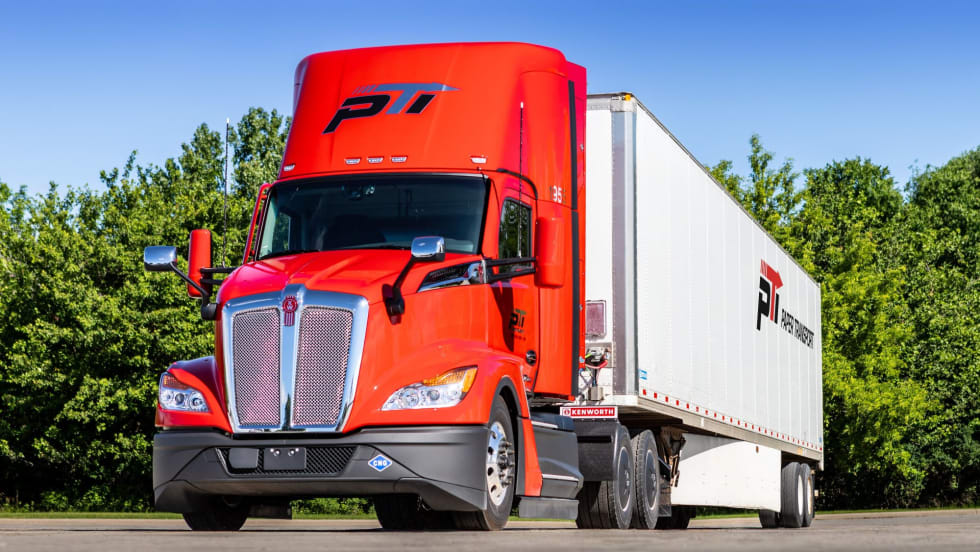
Lessons Learned About Alternative Fuels: Start Small, Stay Flexible
Practical advice on adopting alternative fuels and ZEVs from HDT's 2026 Top Green Fleets, from renewable diesel and natural gas to electric trucks.
Read More →
Kempower Adds Flex EV Charger to Help Support Transition to Megawatt Charging
The Kempower Mega Satellite Flex has both a CCS and MCS connector, allowing operators to serve both types of heavy-duty vehicles.
Read More →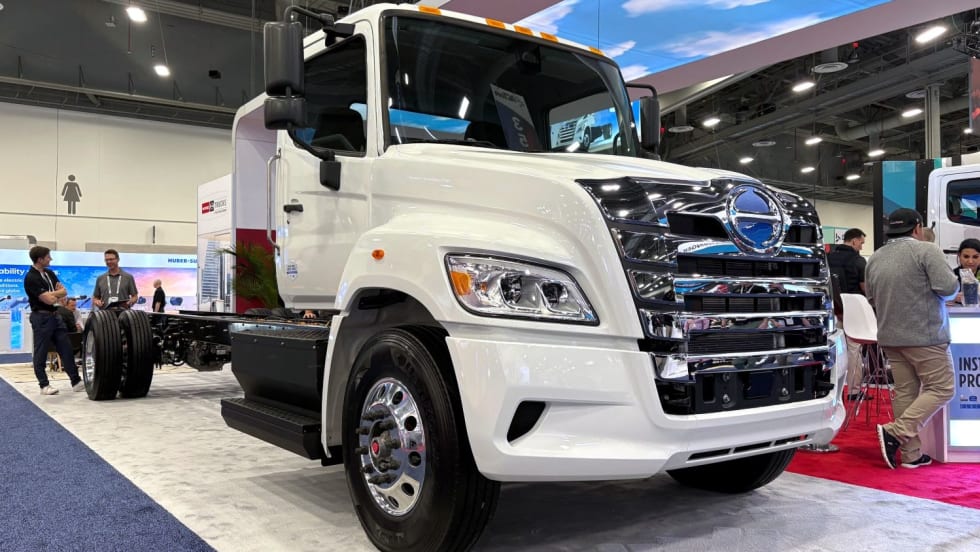
Hino Adds Electric Class 6/7 Truck
Hino says the Le Series is an important step in the company's efforts to reduce environmental impact and support its customers’ sustainability goals.
Read More →
Can Multi-Speed EV Transmissions Solve Heavy Trucking’s Biggest Electric-Vehicle Problems?
A startup called Sigma Powertrain believes purpose-built multi-speed gearboxes can boost efficiency, reduce battery size and improve gradeability for heavy-duty battery-electric trucks.
Read More →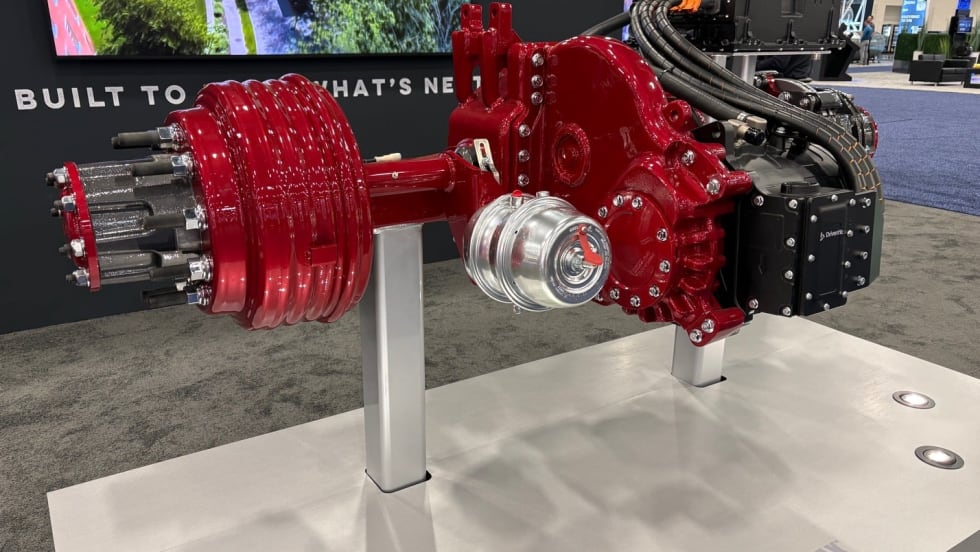
Hendrickson Debuts Electraax E-Axle for Medium-Duty Trucks
Developed with Driventic, Hendrickson's new integrated e-axle is designed to improve efficiency, reduce weight, and extend range in Class 6-7 EV applications.
Read More →
50 Ways Fleets Can Cut Fuel Costs Now — Without Buying New Trucks
Fuel savings don’t come from one big change. They come from dozens of small ones. Here’s how leading fleets are stacking gains across drivers, routing, maintenance, and more.
Read More →
Top Green Fleets 2026: How Fleets Are Reducing Emissions in the Real World
What works in sustainable trucking today? Heavy Duty Trucking's Top Green Fleets are finding practical ways to cut fuel use, reduce emissions, and keep freight moving.
Read More →
California Launching $1 Billion Electric Truck Rebate Program
CARB says the California Clean Fuel Reward program will begin offering point-of-sale rebates of up to $120,000 for electric commercial trucks starting June 26.
Read More →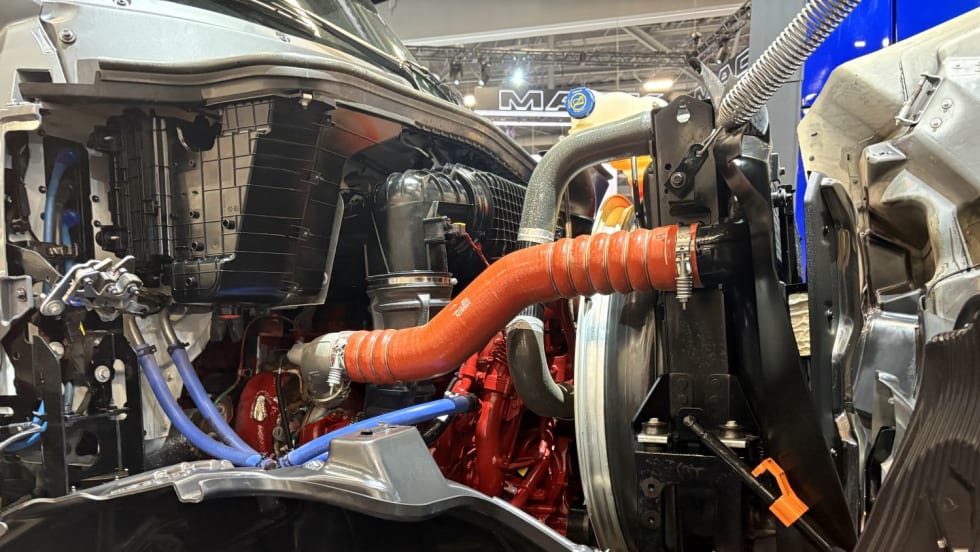
Mack Unveils EPA 2027-Compliant MP13 Engine With More Power, Better Fuel Economy
Along with unveiling its EPA 2027-compliant MP13 engine, Mack outlined powertrain changes across its Class 6-8 lineup, including new Cummins-based X10 engines.
Read More →
How Volvo’s New D13 Engine Meets EPA 2027 Emissions Without Sacrificing Power or Fuel Efficiency
Volvo says advances in combustion and aftertreatment helped its new EPA 2027 D13 engine avoid the fuel-economy penalties many once expected from tighter NOx emissions limits.
Read More →