




Driving Fuel Efficiency
What's in it for me? That's what drivers want to know when you try to get them to save fuel. There are few stronger motivators than a good return on an investment. Building driver buy-in to your fuel economy program requires enough incentiv

Fuel efficiency is about the whole spec, from the powertrain to the tires, from the sloped hood and roof fairing to the gap between the tractor and the trailer. Leave no stone unturned.
What's in it for me? That's what drivers want to know when you try to get them to save fuel.
There are few stronger motivators than a good return on an investment. Building driver buy-in to your fuel economy program requires enough incentive

to overcome what drivers perceive they'll be giving up, along with enough disincentive to maintain certain bad behaviors. And while financial reward is certainly a strong motivator, it's not the only effective one.
Without getting into a lot of psychobabble, one can look to Maslow's hierarchy of needs to gain an understanding of motivation. Maslow's theory suggests that the most basic level of needs must be met before individuals will desire the secondary or higher level needs.
In a driver's world, cutting truck speeds from 65 to 60 mph, for example, could be perceived as a significant threat to their earning capability. It will save fuel, but if schedules are tight or there are penalties for service failures, requiring the driver to make the same run over a longer timeframe could create a lot of stress.
From the driver's point of view, a late arrival could mean a missed appointment or delays in unloading. That could compromise the reload, which could translate into additional time away from home - with no additional compensation.
Maslow would say that because the drivers' primary needs (security of income and home time) are not met, they would be less likely to embrace your request for better fuel mileage. The same applies to demands to limit idling.
If the truck isn't equipped with an auxiliary climate control system, the discomfort of spending a summer night in an overheated truck cab will probably supersede your need to cut idling costs.
If you expect to change behavior simply by demanding change, you will likely fail. On the other hand, if the requests are accompanied by assurances and incentives, and something can be built into the program to instill improved self-worth, fulfillment and pride, then you're practically assured of success.
Personal responsibility
It takes two to tango, and drivers' responses to such situations can be quite different.
Keith Tuttle, president of Motor Carrier Service Inc., a 100-truck regional fleet based in Northwood, Ohio, says his focus is on hiring and retaining only the best drivers. He offers rewards and bonuses that reflect drivers' commitment to excellence.

"We're all about individuals taking personal responsibility for what they do and for the welfare of the company," he says. "I've got a great bunch of drivers who deliver exceptional results week in and week out. I couldn't build the kind of loyalty and the kind of programs we have here at MCS with the wrong mix of drivers or 130% turnover."
MCS was recognized in 2011 and 2012 as the Truckload Carriers Associations' Best Fleet To Drive For (company driver) and was named Carrier of the Year for four years running by customer Jones-Hamilton Co. It's not surprising then, that MCS, with a turnover rate of 31%, can afford to turn away 39 out of 40 applicants.
Tuttle has the luxury of being able to choose his people carefully. He looks for certain qualities in drivers that make them a cut above the rest and provides generous rewards to those who rise to the challenge.
Tuttle says his company philosophy is that of constant improvement. Most of his drivers respond well to the challenge. Others don't. Fuel mileage reports, as well as fleet CSA scores, are posted in the common areas of the terminal facility for everyone to see. Some see it as a personal challenge to place in the top 10 every month, but Tuttle admits some of his drivers would rather not be exposed as mediocre.
"We've burned a few bridges that way," he admits. "We had some people who are more comfortable working at a company where they are just steering-wheel holders. That's fine. We'd never stop pushing them to do better, but we'll let them go when they are ready to go."
The drivers who get the best fuel mileage are the same ones who get the best mileage from their tires, don't have mysterious things happen to trailer doors, never have a problem at a roadside inspection and have the best rapport with customers, Tuttle says. "They are the true professionals in every sense of the word, and it's a full-time commitment on their part. It shows in everything they do. Everything."
MCS tracks driver fuel consumption during a three-month period, and drivers are grouped based on the model and year of truck they drive. The fleet runs Freightliner and Volvo trucks from model year 2006, 2007, 2011 and 2012. The fleet average for its 2006 trucks is 6.531 mpg, while certain 2011 trucks are getting 7.69 mpg.
Clearly, MCS sets the bar pretty high. Tuttle's drivers' primary needs are being met, making them receptive to further growth and development. It's easier to establish incentive programs with a receptive workforce, and MCS certainly makes it worth the effort to participate.
Incentive programs
Getting driver buy-in to a fuel economy program isn't always easy, especially if you're asking them to give up something with no return. Drivers are always leery of the potential inequities in incentive programs because they know fuel economy is affected by factors beyond their control, such as weight, weather, terrain, engine generation, etc. They know there are performance issues involved, and if the program seems stacked against them, they'll have no part of it.
Grouping trucks with similar specs helps keep the comparisons fair and transparent. Josh Kaburick, CEO of Earl L. Henderson Trucking in Salem, Ill., speaking during a recent Truckload Carriers Association webinar on fuel economy, said fuel mileage is a big part of the company's incentive program for its 400-plus drivers, called Overall Performance.
"Fuel economy has to be within fleet parameters, as well as on-time service and good safety records," he explained. "We set up new drivers with mentors to get them off on the proper footing. Existing drivers who are slipping also get a mentor to bring them back around again."
The driver fuel economy information is posted in the drivers' lounge for everyone to see and compare.
"Our bonus system offers a pretty substantial payout, but they have to earn it, and the big thing there is fuel economy," he said.
Another Illinois-based company, Nussbaum Transportation, developed an in-house algorithm to level the playing field between trucks and various other parameters. Phil Braker, vice president of operations (and a 2012 HDT Truck Fleet Innovator), had his IT department crunch the numbers and weight variables such as terrain and truck model to arrive at a more level playing field.
"Our fleet is by no means homogeneous, and we wanted driver buy-in, not resistance because of technical considerations," he says. "We spent a lot of time getting it right, and I think our program is very fair now. The drivers seem to think so too, and they are participating."
C.R. England, Salt Lake City, has a rather creative reward program that works like a lottery. Drivers are awarded entry tickets to a drawing for a Harley Davidson motorcycle based on performance in three categories. If drivers meet certain mpg numbers or idle time parameters, they are awarded tickets to the drawing. They can earn up to three tickets in each of three categories by bettering their performance.
"All drivers and independent contractors have a chance at the draw," says Allen Nielsen, director of fuel at C.R. England - Global Transportation. "A really good driver could go into the quarterly lottery with as many as nine chances to win, but another driver with just one ticket is still very much in the game. We wanted to make it as fair as possible, and everyone who performs well ha
More Fuel Smarts
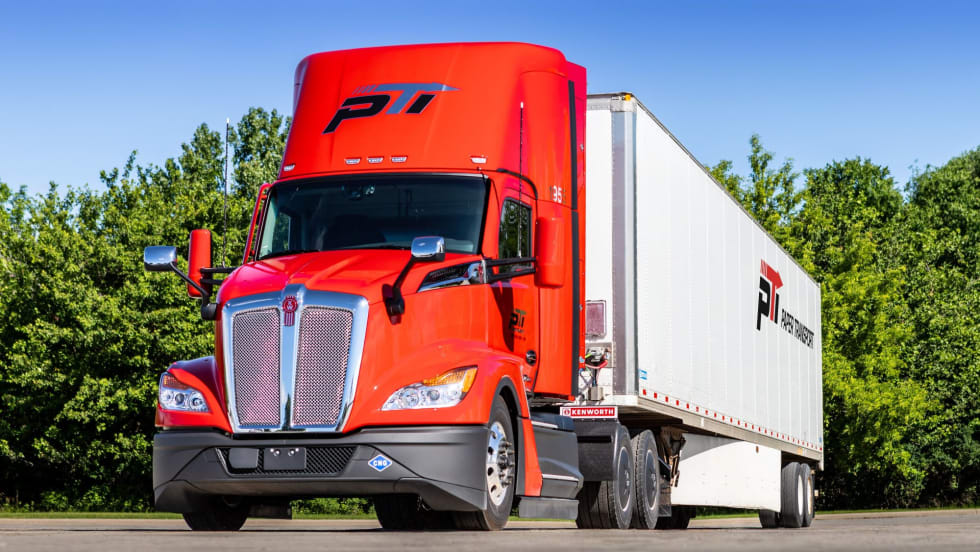
Lessons Learned About Alternative Fuels: Start Small, Stay Flexible
Practical advice on adopting alternative fuels and ZEVs from HDT's 2026 Top Green Fleets, from renewable diesel and natural gas to electric trucks.
Read More →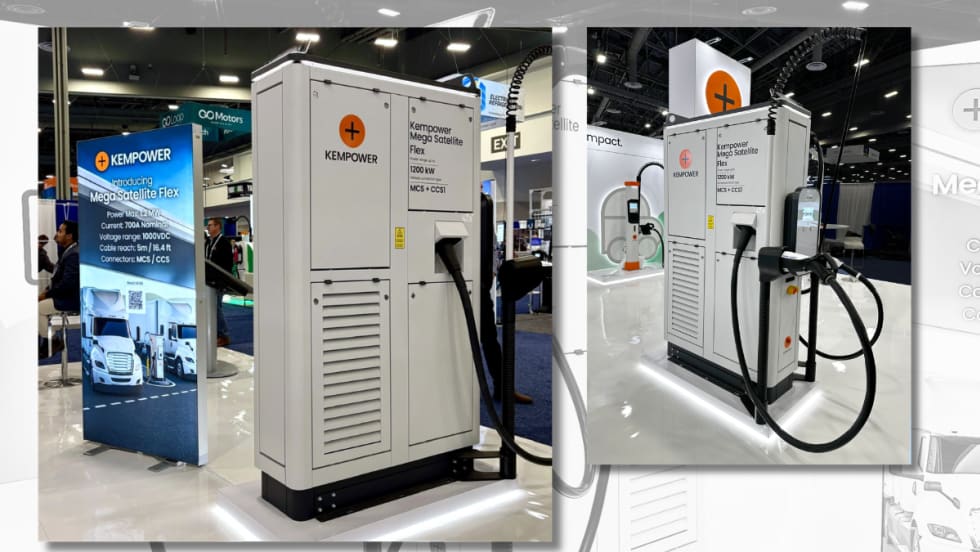
Kempower Adds Flex EV Charger to Help Support Transition to Megawatt Charging
The Kempower Mega Satellite Flex has both a CCS and MCS connector, allowing operators to serve both types of heavy-duty vehicles.
Read More →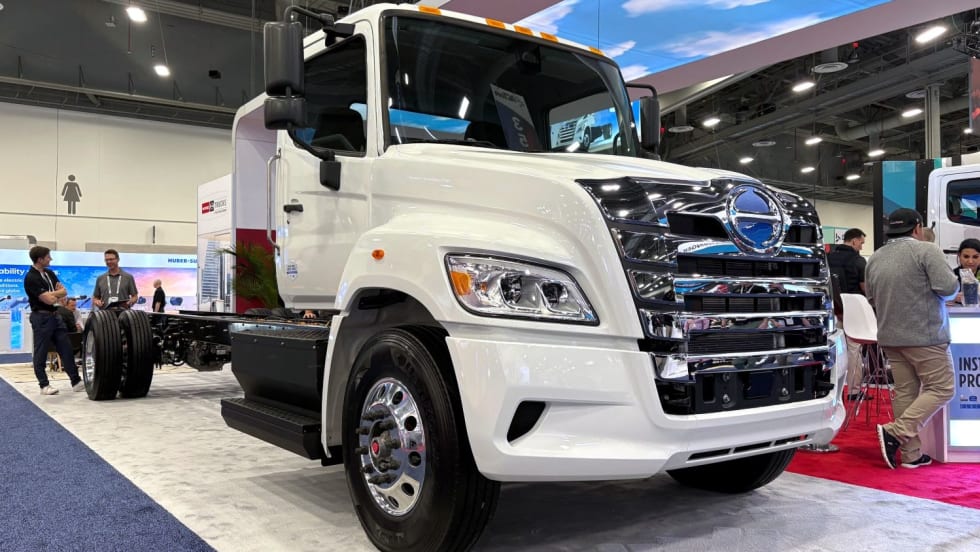
Hino Adds Electric Class 6/7 Truck
Hino says the Le Series is an important step in the company's efforts to reduce environmental impact and support its customers’ sustainability goals.
Read More →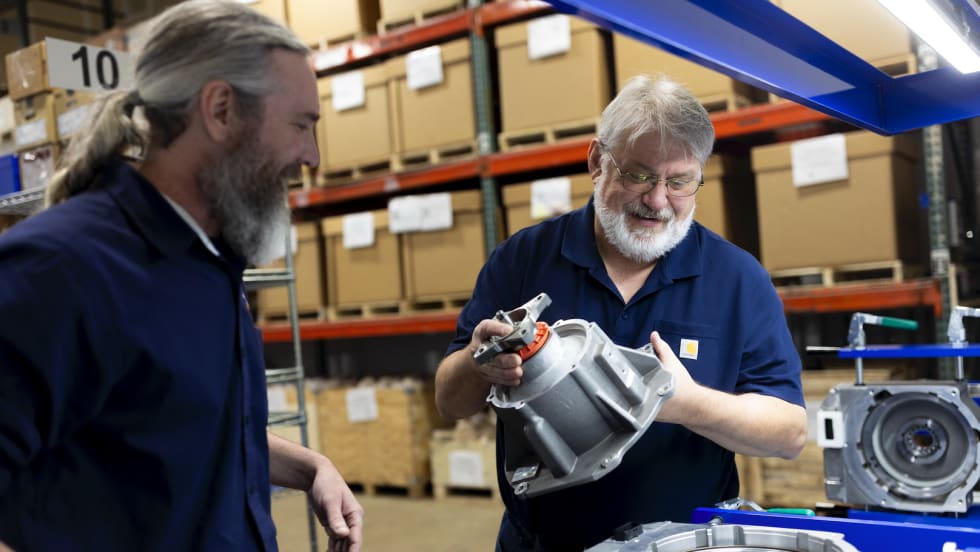
Can Multi-Speed EV Transmissions Solve Heavy Trucking’s Biggest Electric-Vehicle Problems?
A startup called Sigma Powertrain believes purpose-built multi-speed gearboxes can boost efficiency, reduce battery size and improve gradeability for heavy-duty battery-electric trucks.
Read More →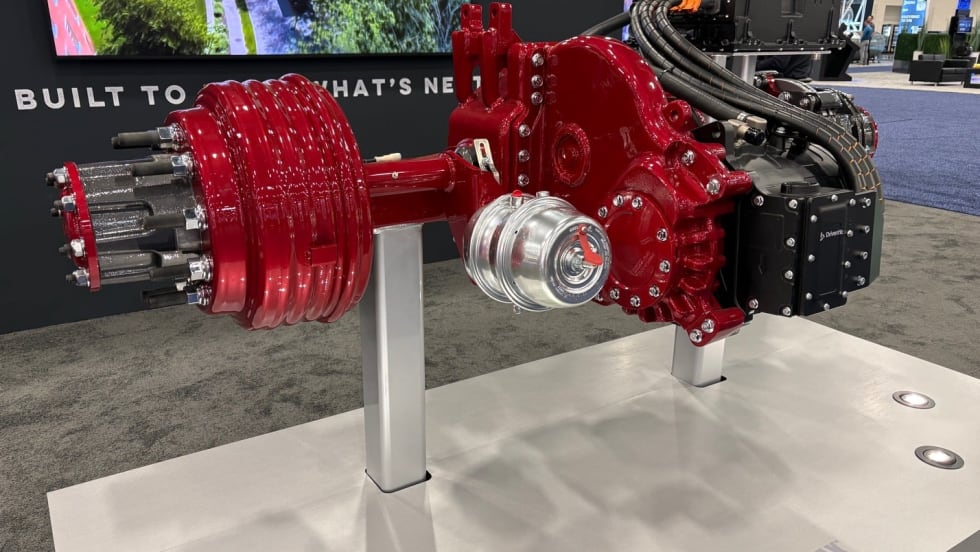
Hendrickson Debuts Electraax E-Axle for Medium-Duty Trucks
Developed with Driventic, Hendrickson's new integrated e-axle is designed to improve efficiency, reduce weight, and extend range in Class 6-7 EV applications.
Read More →
50 Ways Fleets Can Cut Fuel Costs Now — Without Buying New Trucks
Fuel savings don’t come from one big change. They come from dozens of small ones. Here’s how leading fleets are stacking gains across drivers, routing, maintenance, and more.
Read More →
Top Green Fleets 2026: How Fleets Are Reducing Emissions in the Real World
What works in sustainable trucking today? Heavy Duty Trucking's Top Green Fleets are finding practical ways to cut fuel use, reduce emissions, and keep freight moving.
Read More →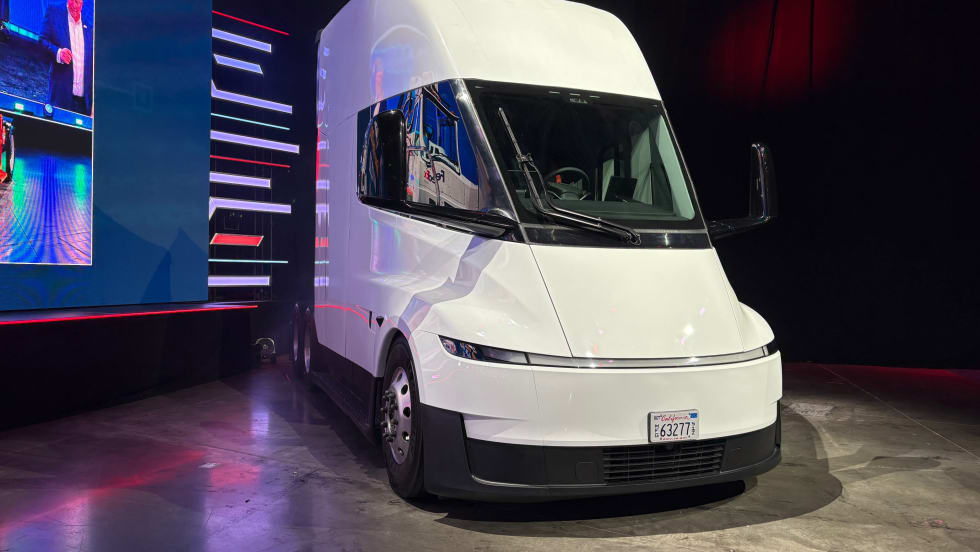
California Launching $1 Billion Electric Truck Rebate Program
CARB says the California Clean Fuel Reward program will begin offering point-of-sale rebates of up to $120,000 for electric commercial trucks starting June 26.
Read More →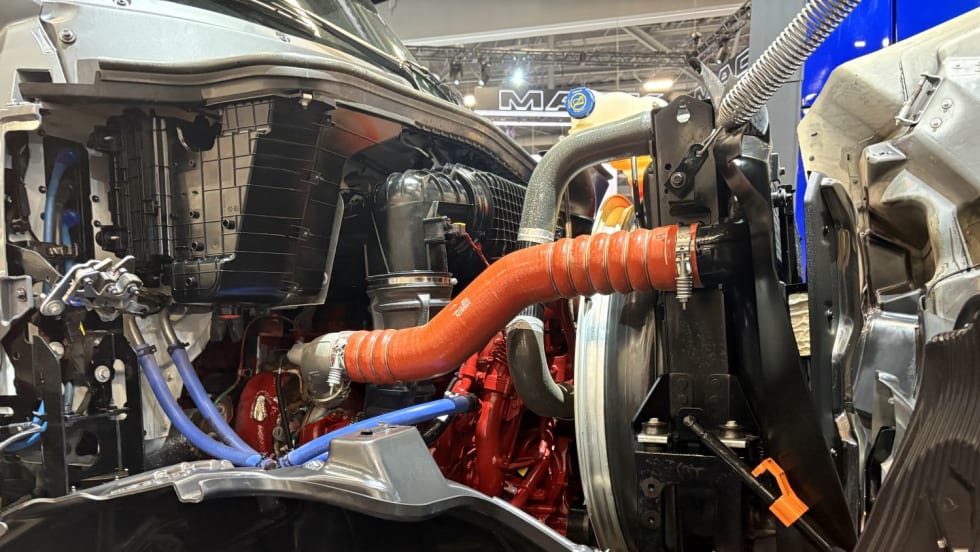
Mack Unveils EPA 2027-Compliant MP13 Engine With More Power, Better Fuel Economy
Along with unveiling its EPA 2027-compliant MP13 engine, Mack outlined powertrain changes across its Class 6-8 lineup, including new Cummins-based X10 engines.
Read More →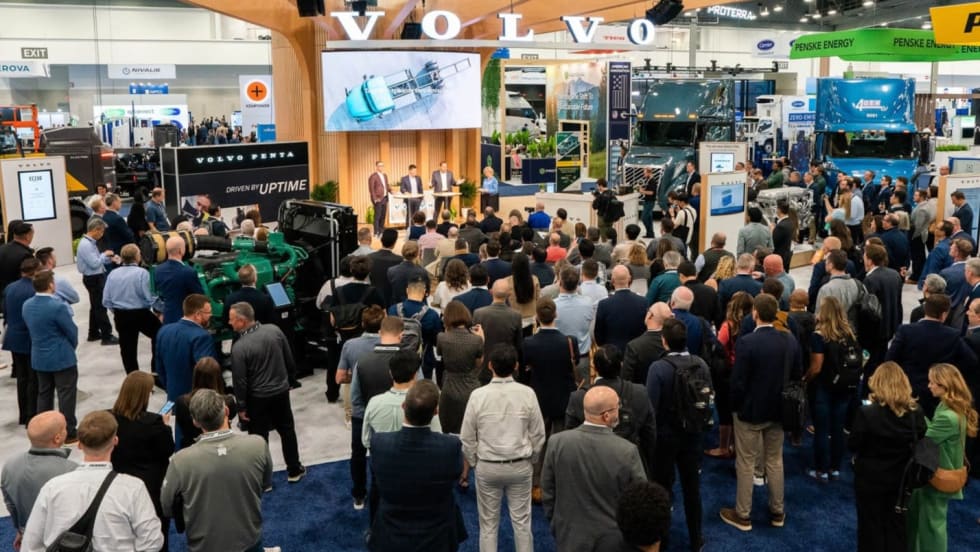
How Volvo’s New D13 Engine Meets EPA 2027 Emissions Without Sacrificing Power or Fuel Efficiency
Volvo says advances in combustion and aftertreatment helped its new EPA 2027 D13 engine avoid the fuel-economy penalties many once expected from tighter NOx emissions limits.
Read More →