




Taking a Look at the Natural Gas Boom
When you've got everyone from oil tycoon T. Boone Pickens to the head of America's largest truckload fleet to President Obama himself stumping for natural-gas-powered trucks, it's easy to see why there's so much interest in this less-expensive, home-grown alternative to $4-a-gallon diesel

When you've got everyone from oil tycoon T. Boone Pickens to the head of America's largest truckload fleet to President Obama himself stumping for natural-gas-powered trucks, it's easy to see why there's so much interest in this less-expensive, home-grown alternative to $4-a-gallon diesel.
It was quite evident at the Mid-America Trucking Show in Louisville, Ky., in late March. Nearly every press conference and presentation, it seemed, at least mentioned natural gas, as you'll see reflected in this issue's Equipment Report. Navistar even had Pickens himself on hand.
At the MATS Fleet Forum, Sandeep Kar, of research firm Frost & Sullivan, noted that in a survey of 100 fleet managers, 56% of respondents were interested in natural gas. Two years ago, only 22% were.
However, 31% said natural gas was "not at all important" to them. Nearly a third said they would not consider it at all.
Is natural gas being a bit too hyped? It's still a niche market, especially for Class 6-8 (unless you're looking at trash trucks, where natural gas fueled 40% of the trucks purchased in 2011).
One barrier is price. Frost & Sullivan says the per-unit premium for spark-ignited natural gas trucks is close to $30,000. For compression-ignition systems that run on 95% liquefied natural gas and 4% diesel to power over-the-road Class 8 models, you're looking at an extra $70,000-plus.
Frost & Sullivan predicts natural-gas-powered trucks in the Class 6-8 segment will grow to 29,000 by 2017, yet that will still make up just 8% of the total Class 6-8 production. President Obama recently called for a tax credit for half the additional cost of an electric or natural gas vehicle to help overcome that sticker shock.
Proponents say the lower cost of natural gas - about $2.50 per diesel-equivalent gallon - means the payback is there, with fuel savings of $20,000 to $40,000 per year. Others wonder, however, if higher demand will eventually push natural gas prices higher.
Navistar is not sitting back and waiting for tax credits. It teamed up with Clean Energy Fuels (of which Pickens is part owner) for a program allowing customers who commit to buying at least 1,000 gallons of natural gas from Clean Energy for five years to avoid extra upfront costs for natural-gas-powered trucks - or for building filling stations, which helps address another stumbling block, fueling infrastructure. Those customers will pay more than the going rate for gas, but there'll still be a 50- to 60-cent per gallon savings compared to diesel.
Jerry Moyes, president of Swift Transportation, said he'd like his company to have the first trucks in the program. The huge Phoenix-based carrier already has three different natural gas test projects, and Moyes is a big believer in the future of the fuel.
"We really think that this industry over the next five years could be close to 50% natural gas," he says.
He may be a bit too optimistic, but you have to admire his enthusiasm.
Here's another potential benefit of natural gas: It could be a selling tool to customers who are pursuing a "green" image and are tired of the volatility of fuel price surcharges.
Dillon Transport of Burr Ridge, Ill., is running LNG trucks in Ohio and Texas in a dedicated deal for Owens Corning. Earlier this year, Clean Energy opened a new LNG fueling station in Seville, Ohio, to support the deal. Dillon is now evaluating LNG trucks for its operations in Florida and Georgia.
Phil Crofts, director of marketing at Dillon, told DC Velocity the company was prepared to offer other shippers a fixed price to move goods on an LNG truck, and it would "feel comfortable offering a customer a guarantee that the fuel surcharge would not go up for a year."
Natural gas is an option fleets should investigate, but it's not right for every company. Does it offer cost-savings, environmental, image or selling-point options for your operation? What's the cost-benefit analysis? Do your homework to decide whether natural gas is right for you.
From the May 2012 issue of HDT
More Fuel Smarts
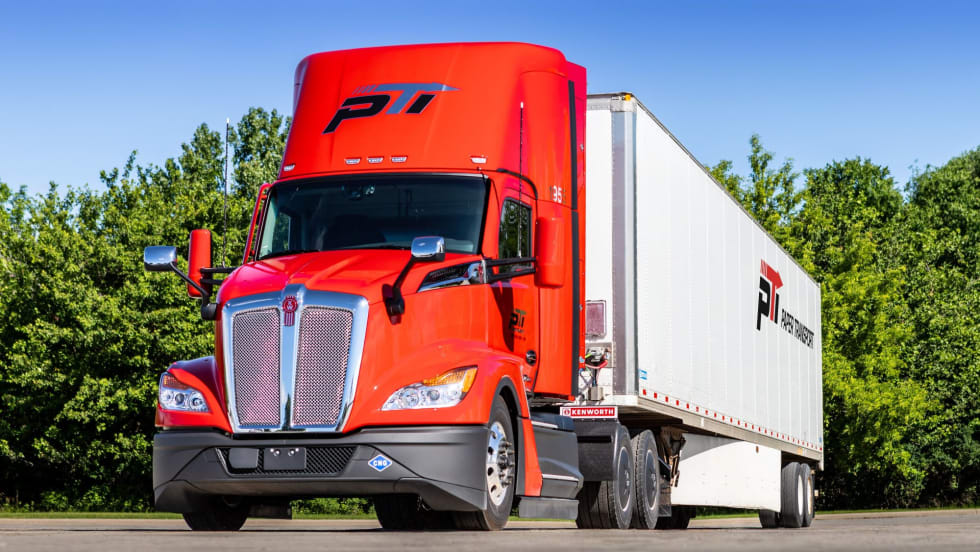
Lessons Learned About Alternative Fuels: Start Small, Stay Flexible
Practical advice on adopting alternative fuels and ZEVs from HDT's 2026 Top Green Fleets, from renewable diesel and natural gas to electric trucks.
Read More →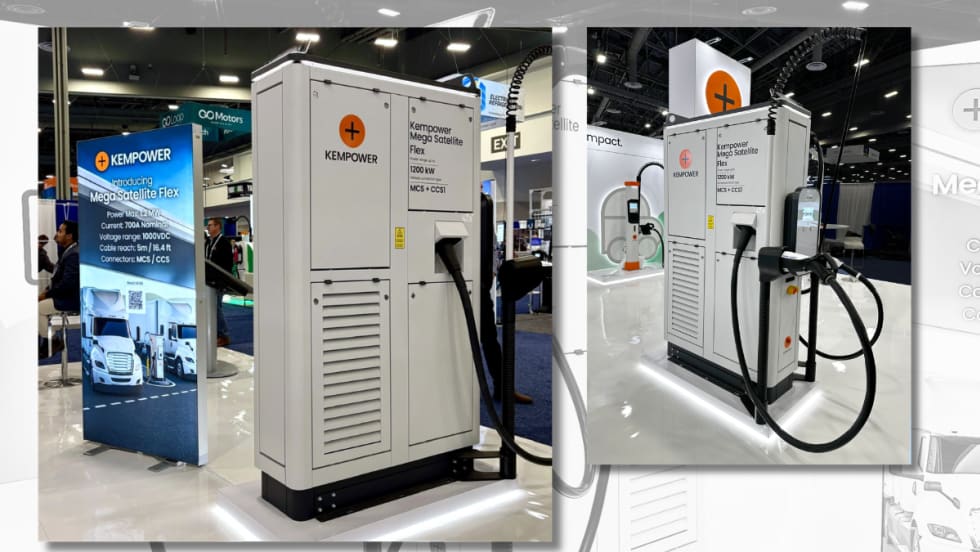
Kempower Adds Flex EV Charger to Help Support Transition to Megawatt Charging
The Kempower Mega Satellite Flex has both a CCS and MCS connector, allowing operators to serve both types of heavy-duty vehicles.
Read More →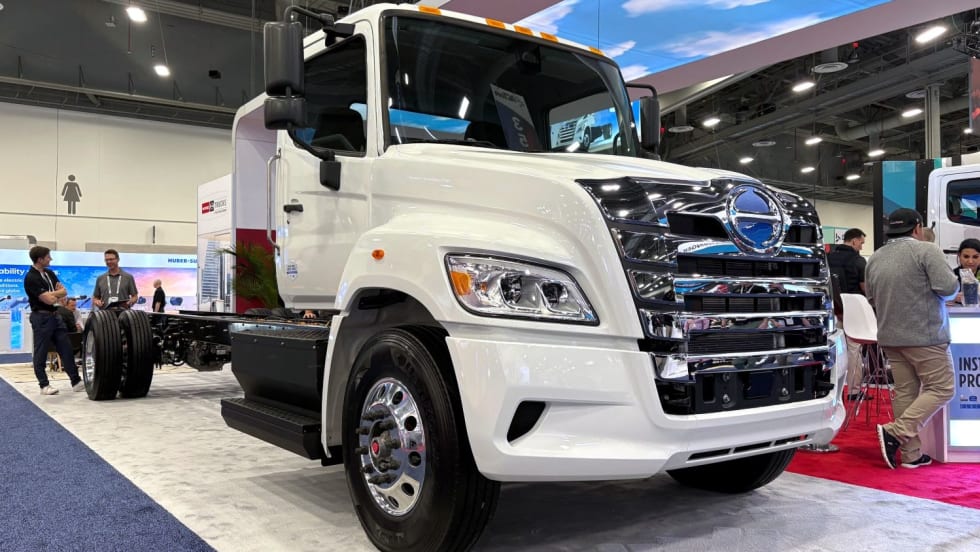
Hino Adds Electric Class 6/7 Truck
Hino says the Le Series is an important step in the company's efforts to reduce environmental impact and support its customers’ sustainability goals.
Read More →
Can Multi-Speed EV Transmissions Solve Heavy Trucking’s Biggest Electric-Vehicle Problems?
A startup called Sigma Powertrain believes purpose-built multi-speed gearboxes can boost efficiency, reduce battery size and improve gradeability for heavy-duty battery-electric trucks.
Read More →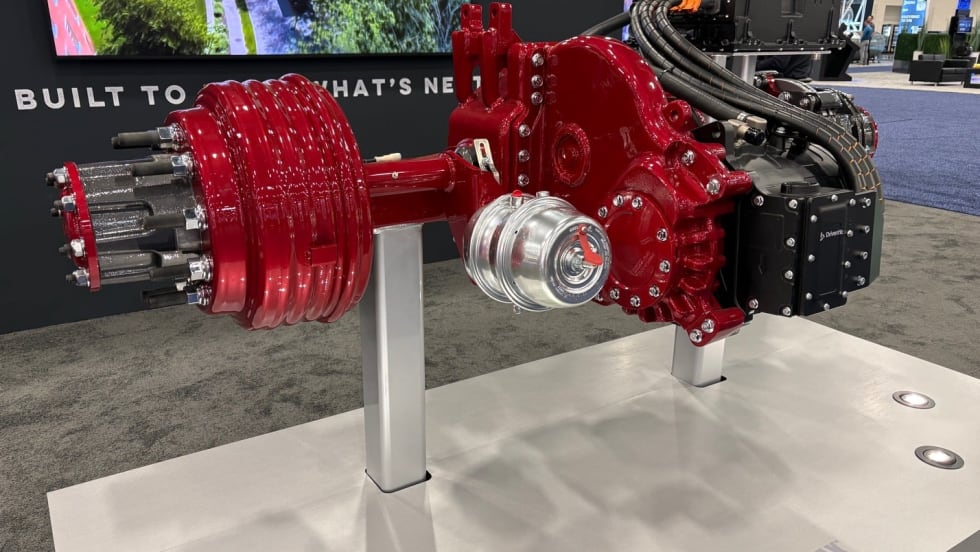
Hendrickson Debuts Electraax E-Axle for Medium-Duty Trucks
Developed with Driventic, Hendrickson's new integrated e-axle is designed to improve efficiency, reduce weight, and extend range in Class 6-7 EV applications.
Read More →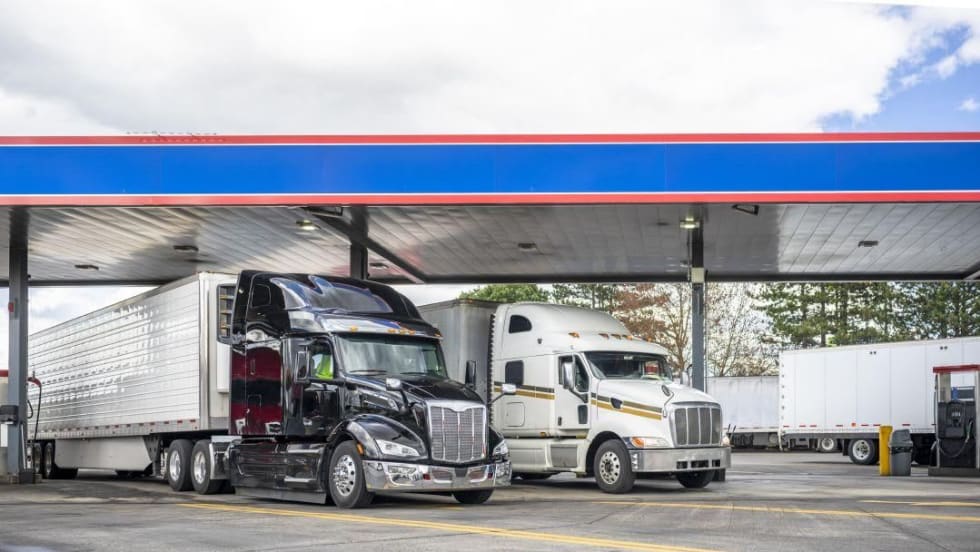
50 Ways Fleets Can Cut Fuel Costs Now — Without Buying New Trucks
Fuel savings don’t come from one big change. They come from dozens of small ones. Here’s how leading fleets are stacking gains across drivers, routing, maintenance, and more.
Read More →
Top Green Fleets 2026: How Fleets Are Reducing Emissions in the Real World
What works in sustainable trucking today? Heavy Duty Trucking's Top Green Fleets are finding practical ways to cut fuel use, reduce emissions, and keep freight moving.
Read More →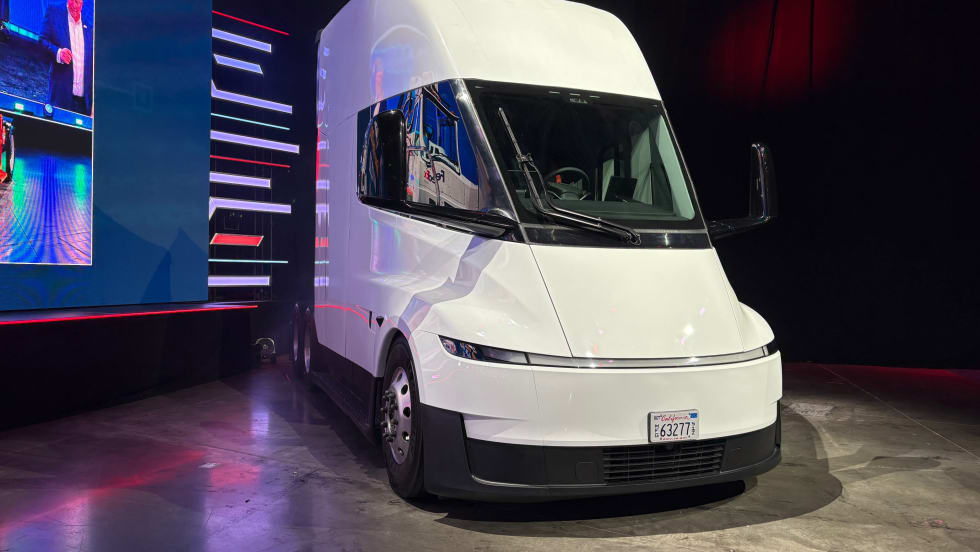
California Launching $1 Billion Electric Truck Rebate Program
CARB says the California Clean Fuel Reward program will begin offering point-of-sale rebates of up to $120,000 for electric commercial trucks starting June 26.
Read More →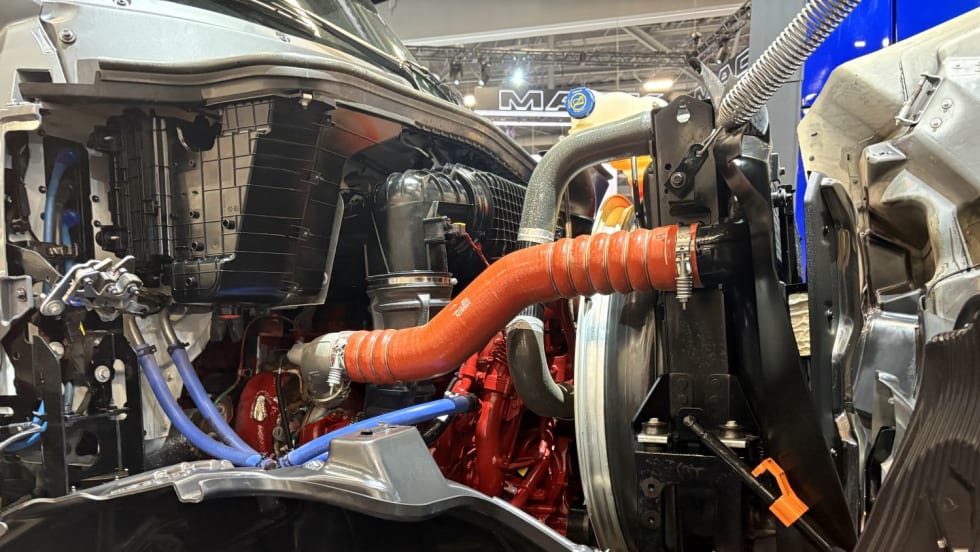
Mack Unveils EPA 2027-Compliant MP13 Engine With More Power, Better Fuel Economy
Along with unveiling its EPA 2027-compliant MP13 engine, Mack outlined powertrain changes across its Class 6-8 lineup, including new Cummins-based X10 engines.
Read More →
How Volvo’s New D13 Engine Meets EPA 2027 Emissions Without Sacrificing Power or Fuel Efficiency
Volvo says advances in combustion and aftertreatment helped its new EPA 2027 D13 engine avoid the fuel-economy penalties many once expected from tighter NOx emissions limits.
Read More →