




Dairy Operation to Recycle Natural Waste of Cows into Fuel for Delivery Vehicles
Recycling waste is an integral part of sustainable living in both small-scale homes and large-scale industrial operations. Fair Oaks Farms, a dairy farm in northwestern Indiana, is taking this concept to a new level
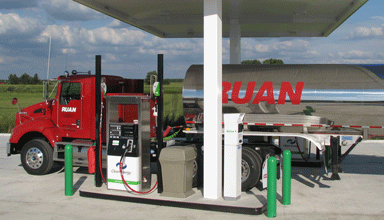
A milk delivery vehicle refuels at an on-site CNG station that will soon use manure-derived natural gas. Paclease has partnered with the Fair Oaks Farms to provide a full-service leasing agreement, and Ruan operates the trucks.
Recycling waste is an integral part of sustainable living in both small-scale homes and large-scale industrial operations. Fair Oaks Farms, a dairy farm in northwestern Indiana, is taking this concept to a new level.
They are implementing a plan to use cow manure to fuel the very trucks that deliver milk to processing plants throughout the Midwest.
The flammable potential of cow pies has been known to cattlemen in many cultures for centuries. Tibetans, for example, who live in the barren, treeless landscape of the Tibetan Plateau, sometimes burn cow and yak manure in place of wood for warmth.
The operation at Fair Oaks Farms is a bit more complex.
The farms, which comprise 10 dairy farms in a co-op, have around 30,000 dairy cows at any given moment. On average, a cow produces 16 gallons of manure per day, putting the total amount of daily defecation at 480,000 gallons. That's an Olympic-sized swimming pool three-quarters full of dung and an enormous waste management problem. Or, if you're Mark Stoermann, project manager at Fair Oaks Farms, an enormous opportunity.
"As long as everything runs right, it will be a win-win-win," said Stoermann. When fully implemented, "we should be very close to zero carbon footprint for operation of the trucks."
The other two wins, in addition to reduced carbon footprint, are money saved, and a significantly less stinky farm. Here's how it works:
Cows do their business in the specially designed stalls where they live. When the cows go off to be milked, vacuum trucks suck up the manure and deliver it to one of several "anaerobic digestion" stations in Fair Oaks Farms. The station designated for truck fuel production handles about 11,000 gallons per day, about a third of the total manure. Once inside, the manure is heated to around 100 degrees and mixed with bacteria inside the digester that helps break down the mess, releasing a gaseous mixture of 60% methane and 40% CO2.
From here, the gas will travel through a cleaning system that will separate the methane for use in 42 Kenworth T440 tractors running Cummins Westport ISL-G CNG engines. The gas cleanup station is in the process of being designed and built for Fair Oaks Farms by a contractor and will come online sometime next year. The 42 CNG tractors, however, are already running using utility gas.
After the gas extraction, the remains of the manure will be recycled back out to fertilize corn fields that feed the cows, completing a circle that's been central to farming since the middle ages.
Back to the third win in the trifecta: Processing manure in this way cuts down on odor by 90% or better. That may seem like an afterthought, but the farms are just off I-65 in Indiana. As a frequenter of that particular highway, I'm thankful.
When all is said and done, the cow-powered trucks are expected to deliver 53 of 60 daily milk loads to three regional processing plants. This will displace some 1.5 million gallons of diesel fuel annually, and since the trucks will consume the noxious cow flatulence, that takes methane, 25 times more powerful as a greenhouse gas than CO2, out of the atmosphere. That's why the trucks will be nearly carbon neutral when it comes to operations.
"This has never been done on this scale before," said Stoermann, who acknowledged the help of state funding get the program off the ground.
With a U.S. dairy cow population in the tens of millions, it may not be the last.
From the October 2011 issue of HDT.
More Fuel Smarts
New Agentic Predictive Maintenance Report Demonstrates How Degraded Aftertreatment Systems Waste Fuel
Questar analyzed a large mixed-class fleet and discovered it was wasting as much as $30 in fuel per vehicle, per day, because of mechanically degraded aftertreatment systems.
Read More →
New York City's Microhub Project is Delivering Results
Trucking, last-mile delivery companies, and environmental advocates like what they are seeing so far with New York's microhub program.
Read More →
Lessons Learned About Alternative Fuels: Start Small, Stay Flexible
Practical advice on adopting alternative fuels and ZEVs from HDT's 2026 Top Green Fleets, from renewable diesel and natural gas to electric trucks.
Read More →
Kempower Adds Flex EV Charger to Help Support Transition to Megawatt Charging
The Kempower Mega Satellite Flex has both a CCS and MCS connector, allowing operators to serve both types of heavy-duty vehicles.
Read More →
Hino Adds Electric Class 6/7 Truck
Hino says the Le Series is an important step in the company's efforts to reduce environmental impact and support its customers’ sustainability goals.
Read More →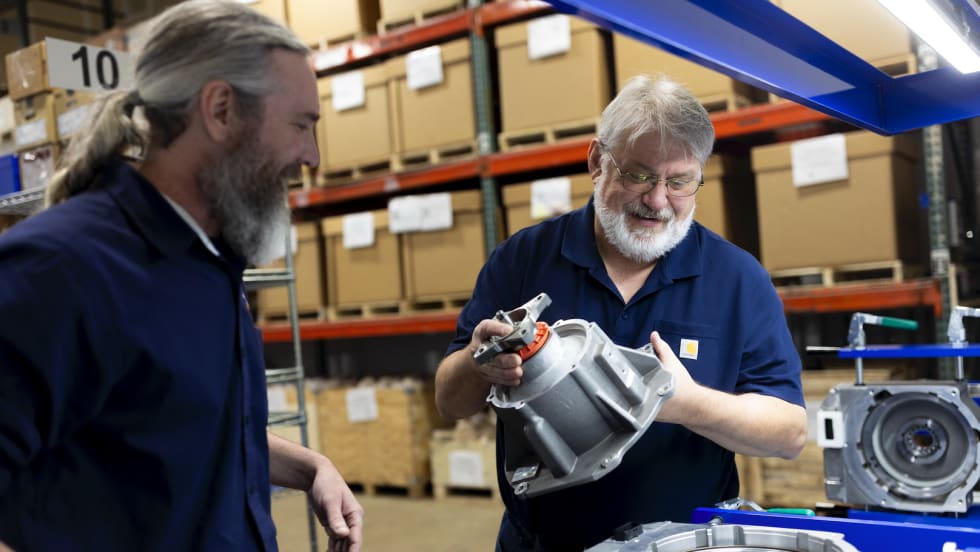
Can Multi-Speed EV Transmissions Solve Heavy Trucking’s Biggest Electric-Vehicle Problems?
A startup called Sigma Powertrain believes purpose-built multi-speed gearboxes can boost efficiency, reduce battery size and improve gradeability for heavy-duty battery-electric trucks.
Read More →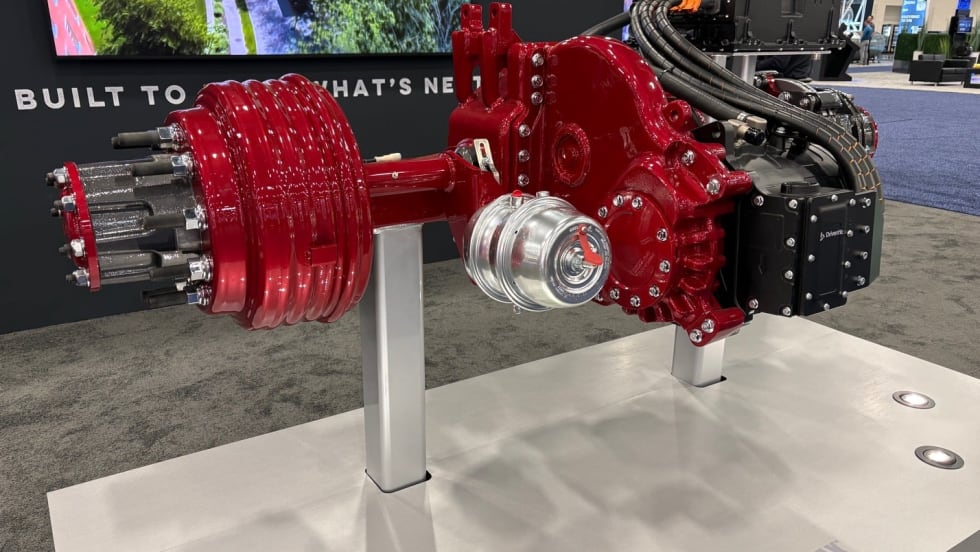
Hendrickson Debuts Electraax E-Axle for Medium-Duty Trucks
Developed with Driventic, Hendrickson's new integrated e-axle is designed to improve efficiency, reduce weight, and extend range in Class 6-7 EV applications.
Read More →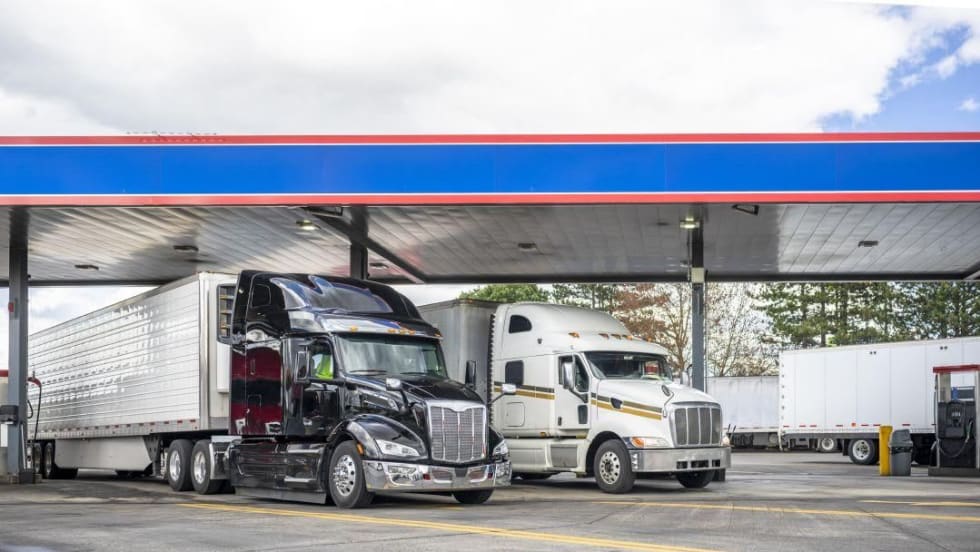
50 Ways Fleets Can Cut Fuel Costs Now — Without Buying New Trucks
Fuel savings don’t come from one big change. They come from dozens of small ones. Here’s how leading fleets are stacking gains across drivers, routing, maintenance, and more.
Read More →
Top Green Fleets 2026: How Fleets Are Reducing Emissions in the Real World
What works in sustainable trucking today? Heavy Duty Trucking's Top Green Fleets are finding practical ways to cut fuel use, reduce emissions, and keep freight moving.
Read More →
California Launching $1 Billion Electric Truck Rebate Program
CARB says the California Clean Fuel Reward program will begin offering point-of-sale rebates of up to $120,000 for electric commercial trucks starting June 26.
Read More →