




A Dozen Ways to Drive MPG
Years ago I won a fuel-economy competition driving 150 easy miles or so along a major highway. And I beat a bunch of pros in the process

Years ago I won a fuel-economy competition driving 150 easy miles or so along a major highway. And I beat a bunch of pros in the process.
Was I brilliant? Absolutely not. I was just slow and smooth, nothing more, but it was good enough for 9 mpg or some such number.
Mind you, I never did beat Caterpillar's longtime driver-trainer, the legendary Jim Booth. Came close on one long run we took together, but I just wasn't as gentle on the throttle as he can be. I wasn't willing to go as slowly, either!
I hardly need to say that there's mighty good money to be made by driving that way. Fact is, the worst driver will get as much as 35 percent less fuel mileage than the best one, which offers a ton of room for improvement. There's just nothing else you can do on the efficiency front that has such an upside. Nothing.
But it's a complex business, figuring out fuel economy, because the variables just never stop mounting up. Depending on where and what and how he drives, one guy might be deliriously happy to be on the right side of 5 mpg, while another would be considering suicide if he dropped below 9.
The only real marker here is the driver's own. So before you launch your drivers into a self-improvement program, first determine just where the individual's average fuel mileage sits - for a given run in a given season, making sure to compare apples to apples. Then you can start adjusting and you'll both see what works and what doesn't.
The following driver tips are compiled from many sources, mostly from the terrific booklets on fuel economy offered by Bridgestone, Cummins, Kenworth, Michelin, Volvo and others:
1. Slow down. If you get, say, 7 mpg at 55 mph, then it'll be 6 mpg at 65 mph. And at 70 mph, you'll be down to 5.5 mpg. Not small differences.
2. Spend as much time as you can - 90 percent or more - in top gear. Don't get in the habit of cruising one gear down.
3. Use cruise control if you're on flat terrain - and dry pavement. In hilly territory, the cruise control will probably try to accelerate too quickly trying to get back up to speed after cresting a grade.
4. Aim for the lowest number of engine rpm. With many engines, you'll win by cruising at about 1,300 rpm.
5. Use the engine's full operating range before downshifting. All modern engines are happy to pull at 1,000 rpm or so for brief periods. Stay at peak torque speeds or slightly lower when accelerating.
6. Try to maintain high - but legal! - average speeds. You can do that in several ways, starting with keeping a high field of vision and staying well back from the vehicle in front of you. That allows you to anticipate changes in traffic and road conditions and lets you avoid rapid deceleration or abrupt stops. You'll waste fuel getting back up to speed.
7. Try coasting to a stop gradually instead of staying on the loud pedal and then braking hard.
8. Get access to the information in your engine's black box and analyze the number of sudden decelerations and service-brake actuations you make. Use this info as a benchmark to improve against.
9. Old issue, but you really should minimize the amount of time your engine idles. Every idling hour can decrease fuel efficiency by 1 percent. Sometimes there's no choice, in which case choose the lowest idle speed possible, like 600 rpm or so.
10. In rolling terrain a light throttle is the way, and allow momentum to carry the truck over short grades. Again, turn off cruise control because your foot will be - or should be - much lighter on the throttle.
11. If it's quite hilly or mountainous, use the engine's full operating range before gearing down.
12. Plan your routes to maximize time on multi-lane highways.
In the end, the two keys are patience and more patience.
From the June 2011 issue of Heavy Duty Trucking magazine.
More Fuel Smarts
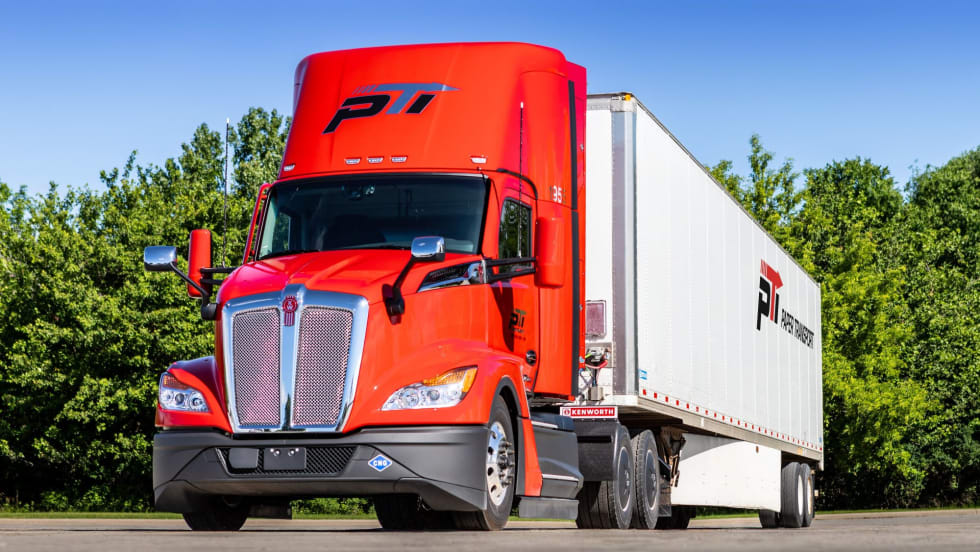
Lessons Learned About Alternative Fuels: Start Small, Stay Flexible
Practical advice on adopting alternative fuels and ZEVs from HDT's 2026 Top Green Fleets, from renewable diesel and natural gas to electric trucks.
Read More →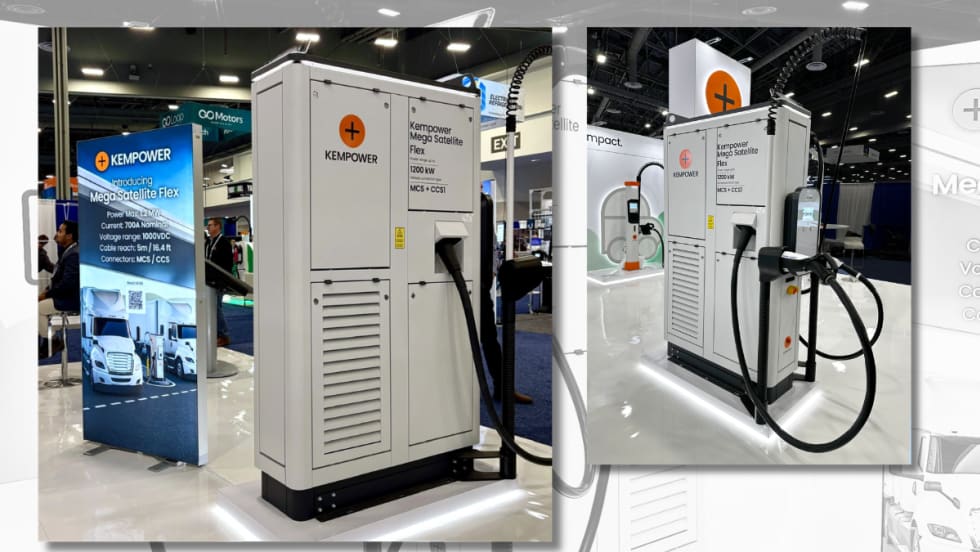
Kempower Adds Flex EV Charger to Help Support Transition to Megawatt Charging
The Kempower Mega Satellite Flex has both a CCS and MCS connector, allowing operators to serve both types of heavy-duty vehicles.
Read More →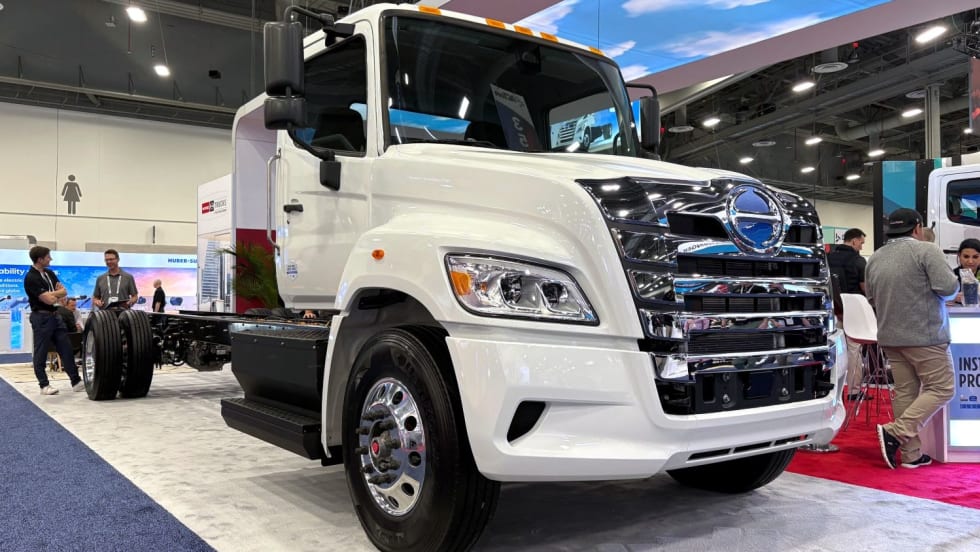
Hino Adds Electric Class 6/7 Truck
Hino says the Le Series is an important step in the company's efforts to reduce environmental impact and support its customers’ sustainability goals.
Read More →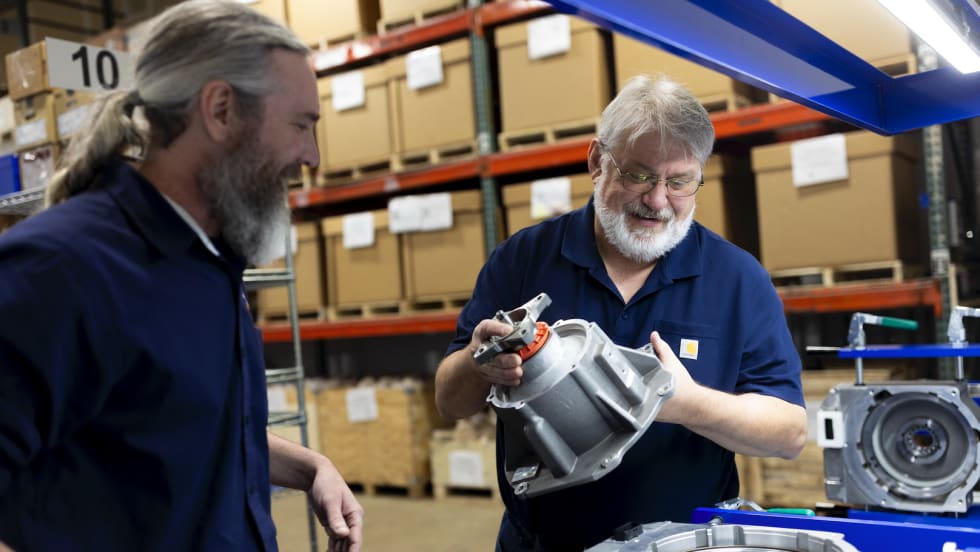
Can Multi-Speed EV Transmissions Solve Heavy Trucking’s Biggest Electric-Vehicle Problems?
A startup called Sigma Powertrain believes purpose-built multi-speed gearboxes can boost efficiency, reduce battery size and improve gradeability for heavy-duty battery-electric trucks.
Read More →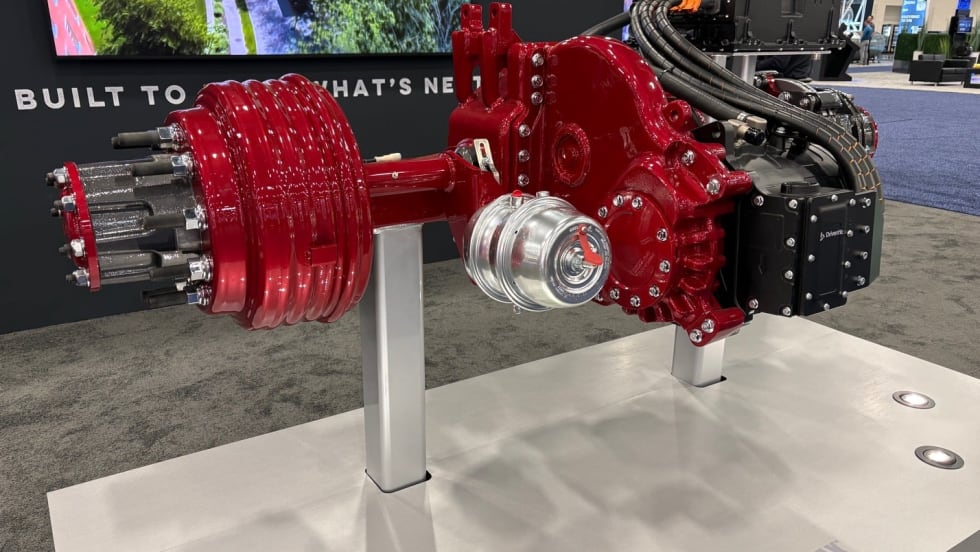
Hendrickson Debuts Electraax E-Axle for Medium-Duty Trucks
Developed with Driventic, Hendrickson's new integrated e-axle is designed to improve efficiency, reduce weight, and extend range in Class 6-7 EV applications.
Read More →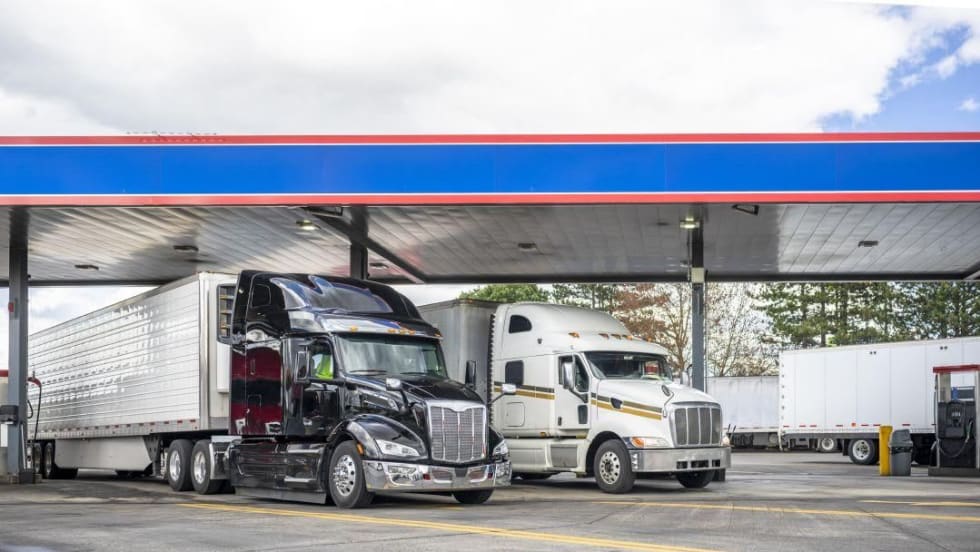
50 Ways Fleets Can Cut Fuel Costs Now — Without Buying New Trucks
Fuel savings don’t come from one big change. They come from dozens of small ones. Here’s how leading fleets are stacking gains across drivers, routing, maintenance, and more.
Read More →
Top Green Fleets 2026: How Fleets Are Reducing Emissions in the Real World
What works in sustainable trucking today? Heavy Duty Trucking's Top Green Fleets are finding practical ways to cut fuel use, reduce emissions, and keep freight moving.
Read More →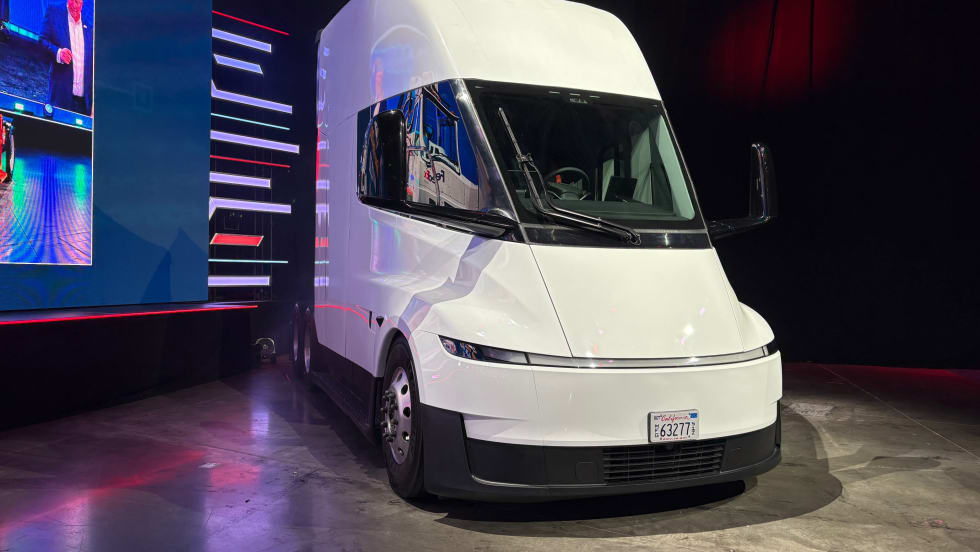
California Launching $1 Billion Electric Truck Rebate Program
CARB says the California Clean Fuel Reward program will begin offering point-of-sale rebates of up to $120,000 for electric commercial trucks starting June 26.
Read More →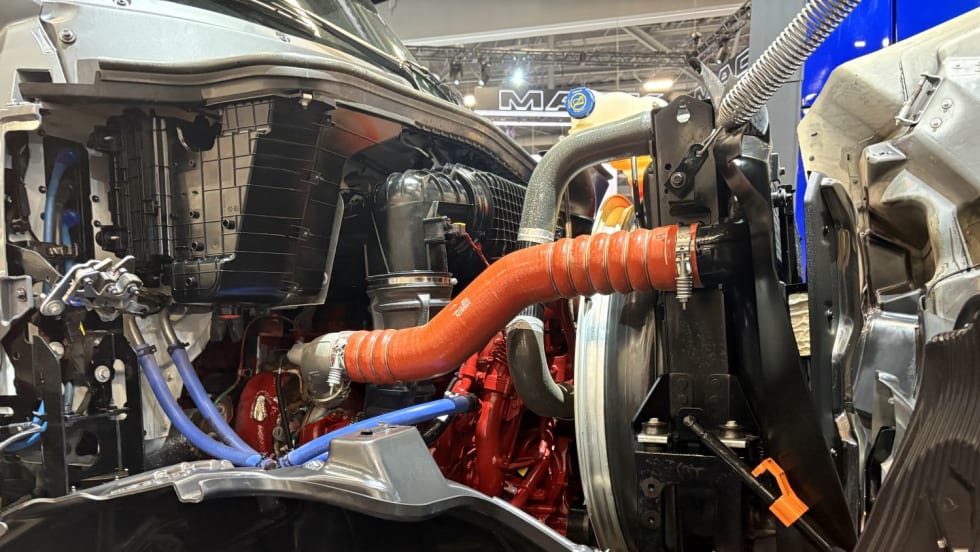
Mack Unveils EPA 2027-Compliant MP13 Engine With More Power, Better Fuel Economy
Along with unveiling its EPA 2027-compliant MP13 engine, Mack outlined powertrain changes across its Class 6-8 lineup, including new Cummins-based X10 engines.
Read More →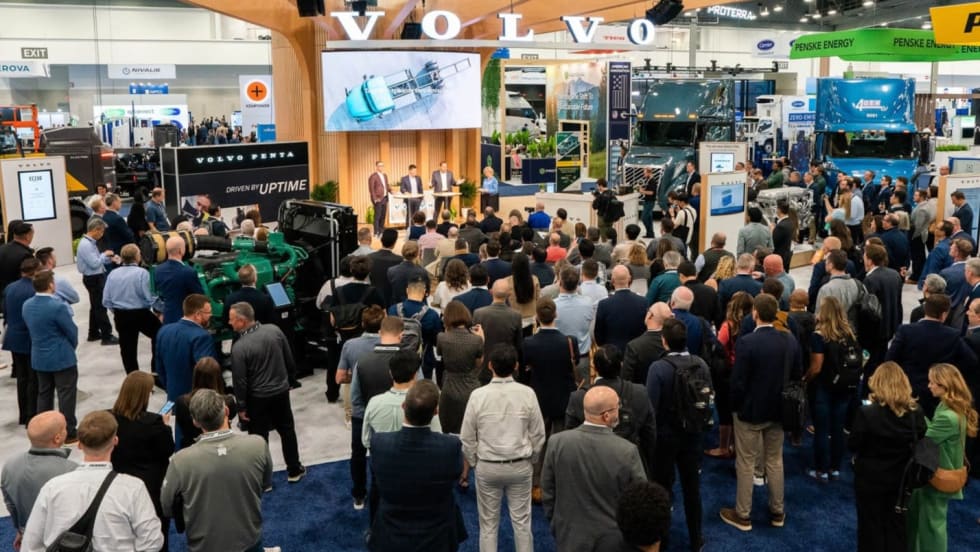
How Volvo’s New D13 Engine Meets EPA 2027 Emissions Without Sacrificing Power or Fuel Efficiency
Volvo says advances in combustion and aftertreatment helped its new EPA 2027 D13 engine avoid the fuel-economy penalties many once expected from tighter NOx emissions limits.
Read More →