




Why Low Cabovers in a Conventional-Cab Market?
Why do the Japan-based importers continue trying to sell low cab-over-engine trucks when North America is conventional-cab territory? The short answer is that LCOEs are what they have to sell
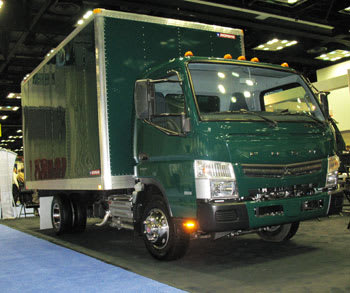
The Mitsubishi Fuso Canter is one of several low-COE trucks coming to North America. (Photo by Tom Berg)
Why do the Japan-based importers continue trying to sell low cab-over-engine trucks when North America is conventional-cab territory? The short answer is that LCOEs are what they have to sell.
The longer answer, gotten in interviews of executives during the NTEA's Work Truck Show in Indianapolis and with others previously, is that Mitsubishi Fuso, Isuzu, and UD have carefully looked at designing and producing conventionals for this market. But they've concluded that potential sales are much too small to justify the expense.
How come it works for Hino? It forsook its low cabovers a decade ago when it introduced a complete line of conventionals. It did well with some of them. Sales went up substantially, and Hino continues to assemble the trucks in the U.S., first in a Toyota-owned plant in southern California and now in a dedicated facility in West Virginia.
But that's for heavier Class 6 and 7 models. Missteps by entrenched domestic competitors in those segments left an opening for Hino, which jumped in with feature-rich and reliable products. However, Hino recently dropped its lighter-duty models. The given reason was that the four-cylinder diesel used in the lighter trucks couldn't meet 2010 emissions limits, but the actual reason is that they sold poorly against domestic trucks.
Hino is bringing back its Class 3-5 Japan-made low COEs to resume competing in those classes. New models, shown at the Work Truck Show, should do well among buyers who favor the cabover. So should new Canter models from Fuso, also unveiled at the WTS, and recently revised LCOEs from Isuzu and UD. Executives of these companies and their dealers are genuinely excited about these products.
All of these builders say they have analyzed the pros and cons of fielding conventionals here, and all reached the same conclusion: While North America is a big market for trucks, established domestic competitors do too good a job with their light- and light-medium models to allow major inroads by the Japanese. Their potential sales would be too small to make major investments worthwhile.
Besides, the Japanese successfully sell their LCOEs almost everywhere else in the world. Producing a few more for the U.S., Canada andMexico makes good sense. And as population continues to grow in the United States, by far the biggest country, congestion in urban areas will get worse. That's where the compactness, maneuverability and easy maintenance of LCOEs gives them a big advantage, and the Japanese are hoping that their sales will rise along with population.
Will LCOE sales increase dramatically? Probably not. For various reasons, most buyers and drivers still prefer North American conventionals. But the Japanese and their American sales and service organizations, which are very lean in structure and staffing, can make some decent money by selling what they have. And that's what they'll continue to do.
More Equipment
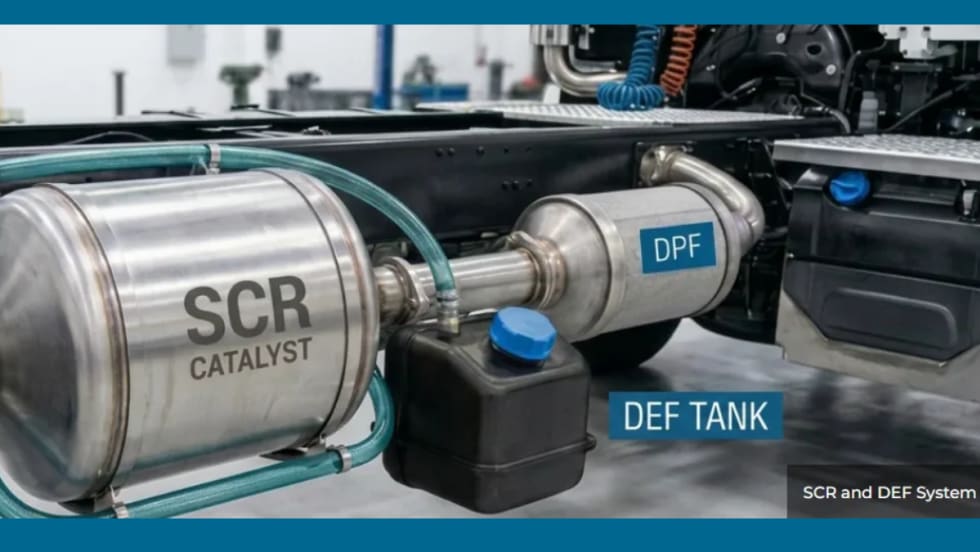
Engine Technology Forum Launches SCR, DEF Resource Center Amid Emissions Debate
The Engine Technology Forum’s new online hub aims to provide fleets, policymakers, and equipment owners with fact-based information about selective catalytic reduction technology, diesel exhaust fluid and emissions compliance.
Read More →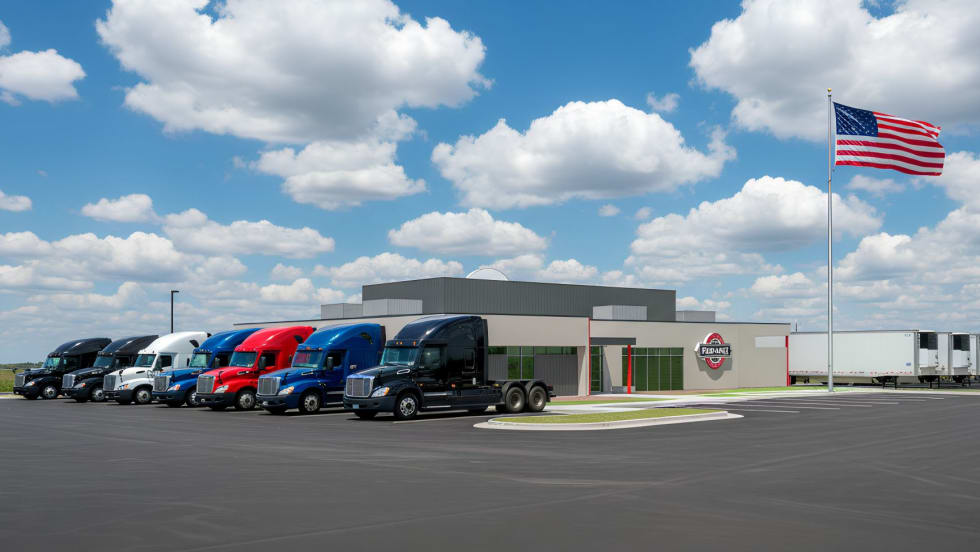
Prime Inc. to Open $7.9M Flagship Used-Truck Dealership
A new driver-focused facility to sell Prime Inc's used trucks and trailers will be the first purpose-built location in the company's history.
Read More →
Lessons Learned About Alternative Fuels: Start Small, Stay Flexible
Practical advice on adopting alternative fuels and ZEVs from HDT's 2026 Top Green Fleets, from renewable diesel and natural gas to electric trucks.
Read More →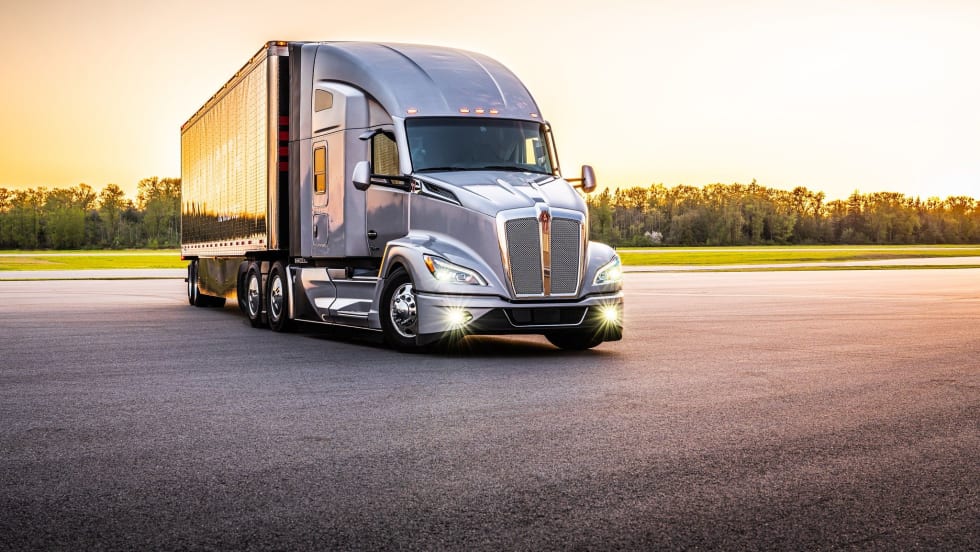
Kenworth Names Peter Ahrens General Manager
Leadership changes at Kenworth take effect July 1 as the OEM promotes two longtime Paccar executives to key management roles.
Read More →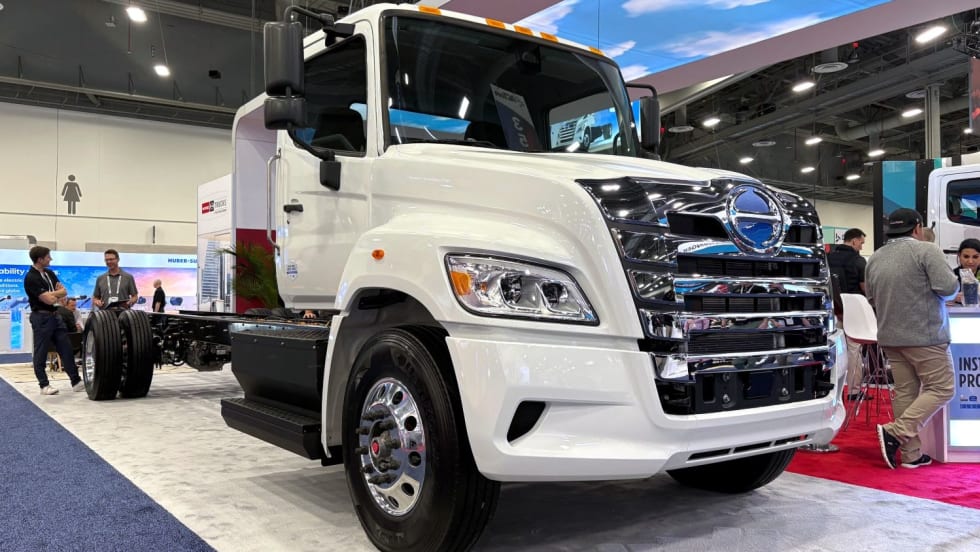
Hino Adds Electric Class 6/7 Truck
Hino says the Le Series is an important step in the company's efforts to reduce environmental impact and support its customers’ sustainability goals.
Read More →
ACT Expo 2026: Highlights in Photos
The 2026 Advanced Clean Transportation Expo featured a broad range of commercial vehicle technologies, from EVs to autonomous trucks to the latest diesel and alternative-fuel engines.
Read More →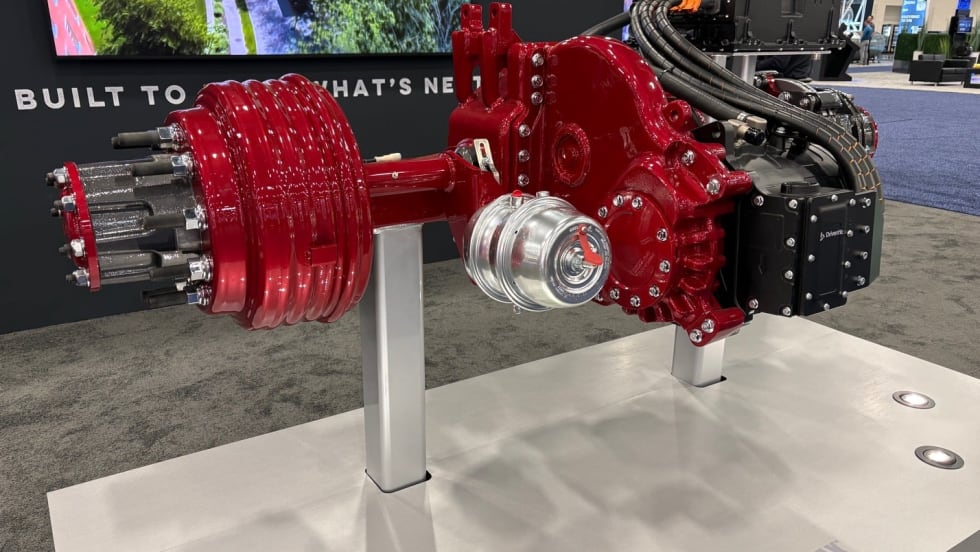
Hendrickson Debuts Electraax E-Axle for Medium-Duty Trucks
Developed with Driventic, Hendrickson's new integrated e-axle is designed to improve efficiency, reduce weight, and extend range in Class 6-7 EV applications.
Read More →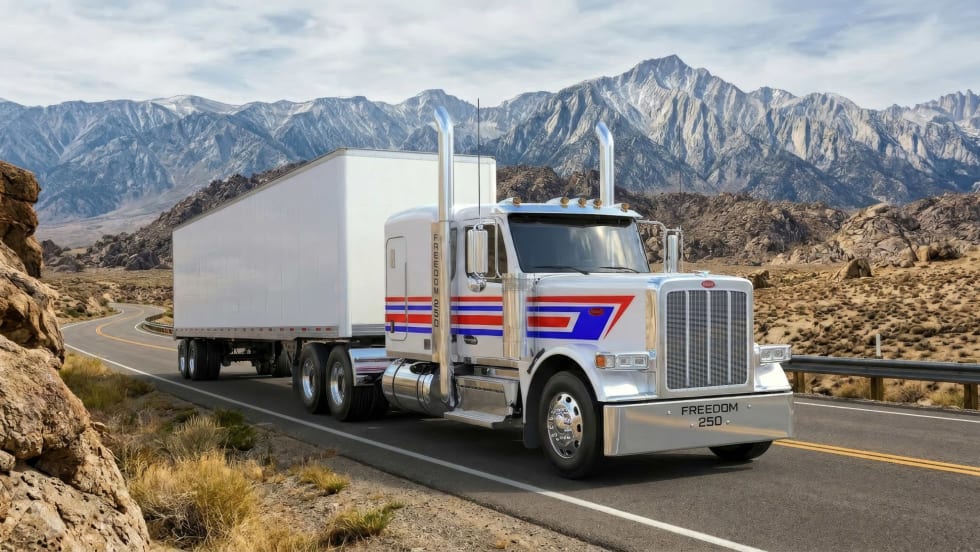
Peterbilt Unveils Freedom 250 Special Edition Model 589
Peterbilt’s just-announced limited-run patriotic Model 579 tractor celebrates America’s 250th birthday with custom styling and premium features.
Read More →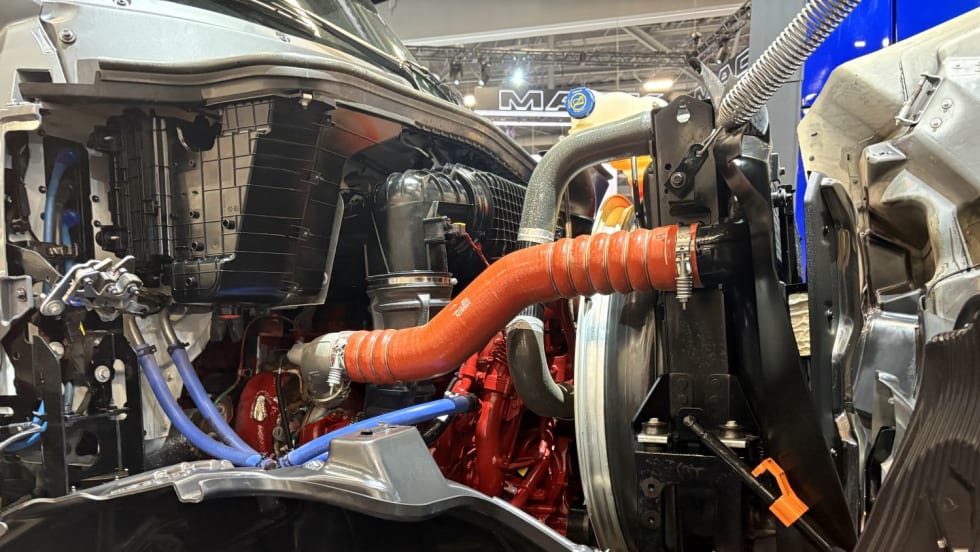
Mack Unveils EPA 2027-Compliant MP13 Engine With More Power, Better Fuel Economy
Along with unveiling its EPA 2027-compliant MP13 engine, Mack outlined powertrain changes across its Class 6-8 lineup, including new Cummins-based X10 engines.
Read More →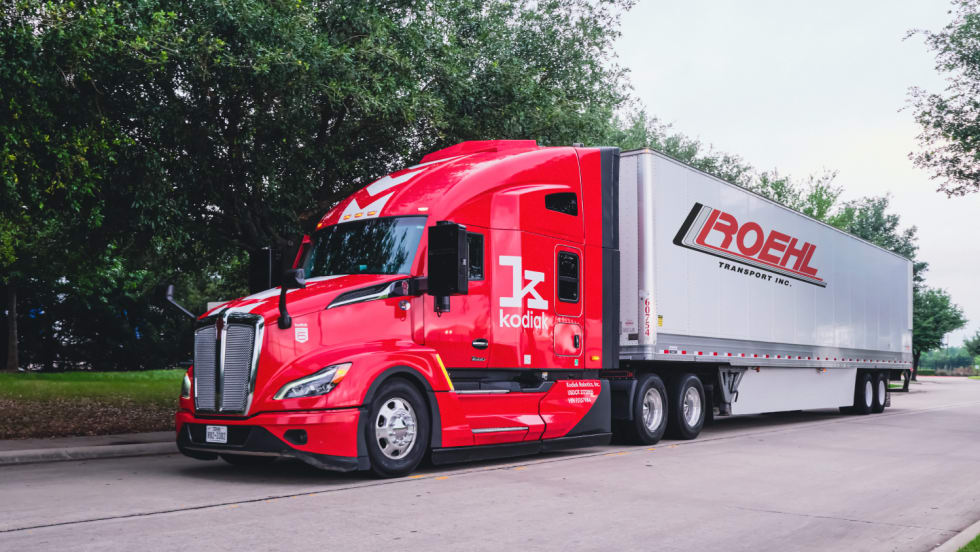
Kodiak and Roehl Transport Launch Autonomous Route Between Dallas and Houston
Kodiak AI and Roehl Transport have begun autonomous freight operations on a regular Dallas-Houston route, marking another step toward Kodiak’s planned driverless launch by the end of 2026.
Read More →