




Natural Resources Canada Releases LNG Deployment Roadmap
A report recently released by Canada's federal department of Natural Resources, entitled Natural Gas Use in Transportation Deployment Roadmap assesses of the potential benefits and the obstacles to liquefied natural gas as a fuel for trucking
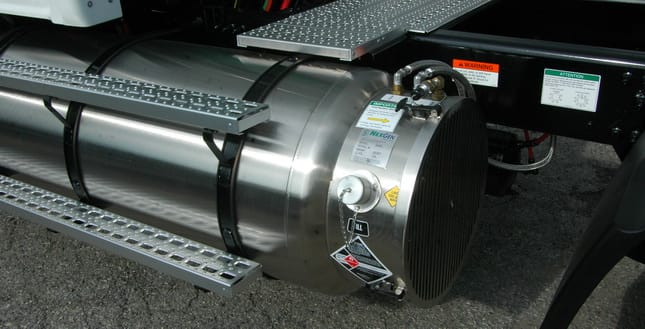
LNG has the potential to serve as an important niche in the trucking marketplace, but it won't be suitable for every type of operation given the limitations on its distribution and the costs of purchasing LNG tractors.
A report recently released by Canada's federal department of Natural Resources, entitled Natural Gas Use in Transportation Deployment Roadmap assesses of the potential benefits and the obstacles to liquefied natural gas as a fuel for trucking.
Among the more significant recommendations contained in the report is the use of government fiscal measures to reduce the upfront and ongoing capital risk for carriers investing in LNG technology -- a key point that leaders in Canada's trucking industry have been making for the past several months.
"Without significant incentives it will be difficult for carriers to justify the increased costs for LNG equipment," says David Bradley, CEO of the Canadian Trucking Alliance. "The GHG reduction benefits of LNG are real and at current prices it is an attractive alternative to diesel fuel. However, it will require investment on the part of the producers in the distribution infrastructure and it will require significant tax incentives as well as price guarantees to allow and encourage those carriers who are interested to make the shift,"
In March 2010, NRCan convened the Natural Gas Use in Transportation Roundtable to identify the optimal use of natural gas in Canada's transportation sector. Led by the Deputy Minister of Natural Resources Canada, Serge P. Dupont, The Roundtable consisted of federal and provincial officials, industry representatives, such as natural gas producers, transporters, distributors, vehicle makers, equipment manufacturers, and end-users. It also include representatives from environmental non-governmental organizations and academia.
The Deployment Roadmap is the result of discussions held since March, and it contains the results of consultations undertaken with various end-users that might adopt natural gas fueling technology. It also includes detailed business modeling that was performed to assess, analyze, and rank potential end-use applications in the medium- and heavy-duty portion of the transportation sector.
Long-haul trucking operators were identified as an attractive potential market for LNG use, but the report identifies some of the more substantial barriers to widespread uptake of natural gas as a commercial vehicle fuel, which include supply chain, technological, and market issues.
According to Bradley, LNG has the potential to serve as an important niche in the trucking marketplace, but it won't be suitable for every type of operation given the limitations on its distribution and the costs of purchasing LNG tractors.
"It will be of most interest to carriers with dedicated return to destination routes," he says, "but as part of a broad, comprehensive strategy for reducing GHG emissions from trucking, it definitely has a role to play. It is certainly of more potential benefit than biodiesel, for example."
CTA says that greater use of LNG fits well with its proposed program of voluntary measures designed to complement the proposed heavy truck fuel efficiency regulations currently under development by Environment Canada. The CTA program would also include incentives for voluntary investment in tractors certified to reduce GHG, and aftermarket technology for new and existing trailers.
"We'd much rather that the federal government focused on these real solutions than trying to push things like biodiesel down the industry's throat," says Bradley.
A PDF copy of The Roadmap report is available here.
More info: www.cantruck.ca
More Fuel Smarts
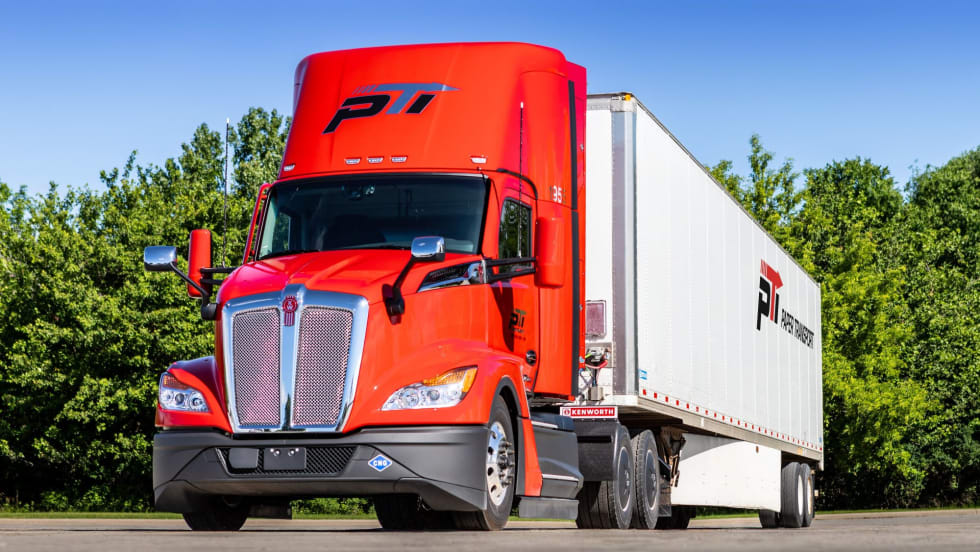
Lessons Learned About Alternative Fuels: Start Small, Stay Flexible
Practical advice on adopting alternative fuels and ZEVs from HDT's 2026 Top Green Fleets, from renewable diesel and natural gas to electric trucks.
Read More →
Kempower Adds Flex EV Charger to Help Support Transition to Megawatt Charging
The Kempower Mega Satellite Flex has both a CCS and MCS connector, allowing operators to serve both types of heavy-duty vehicles.
Read More →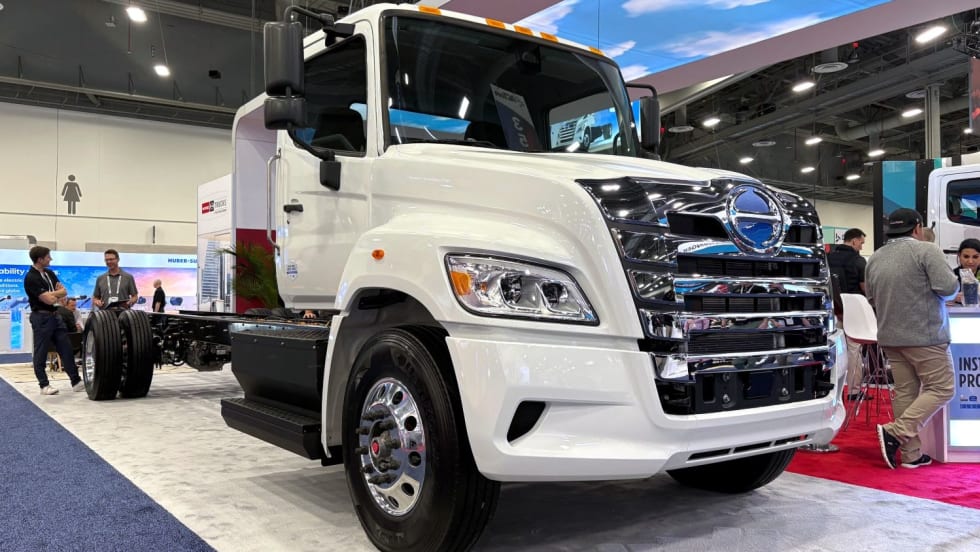
Hino Adds Electric Class 6/7 Truck
Hino says the Le Series is an important step in the company's efforts to reduce environmental impact and support its customers’ sustainability goals.
Read More →
Can Multi-Speed EV Transmissions Solve Heavy Trucking’s Biggest Electric-Vehicle Problems?
A startup called Sigma Powertrain believes purpose-built multi-speed gearboxes can boost efficiency, reduce battery size and improve gradeability for heavy-duty battery-electric trucks.
Read More →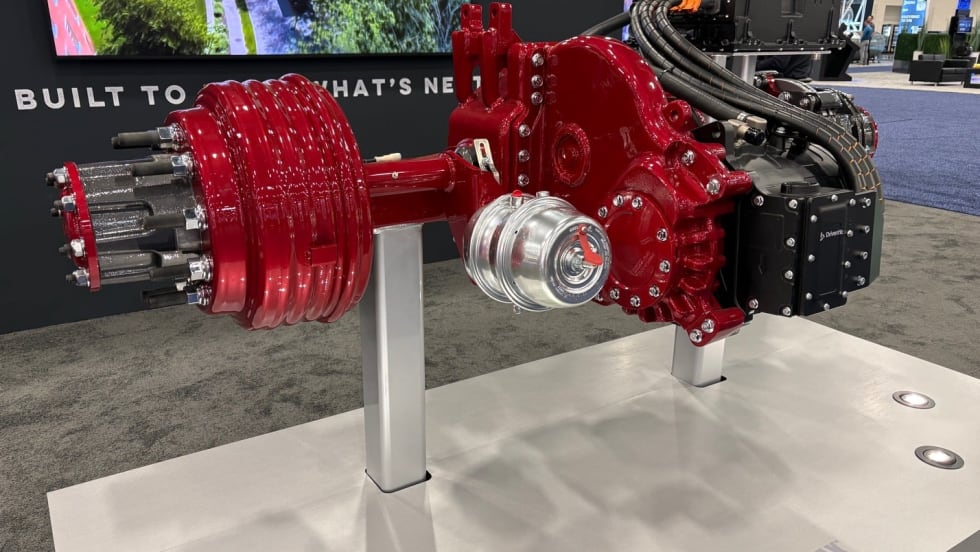
Hendrickson Debuts Electraax E-Axle for Medium-Duty Trucks
Developed with Driventic, Hendrickson's new integrated e-axle is designed to improve efficiency, reduce weight, and extend range in Class 6-7 EV applications.
Read More →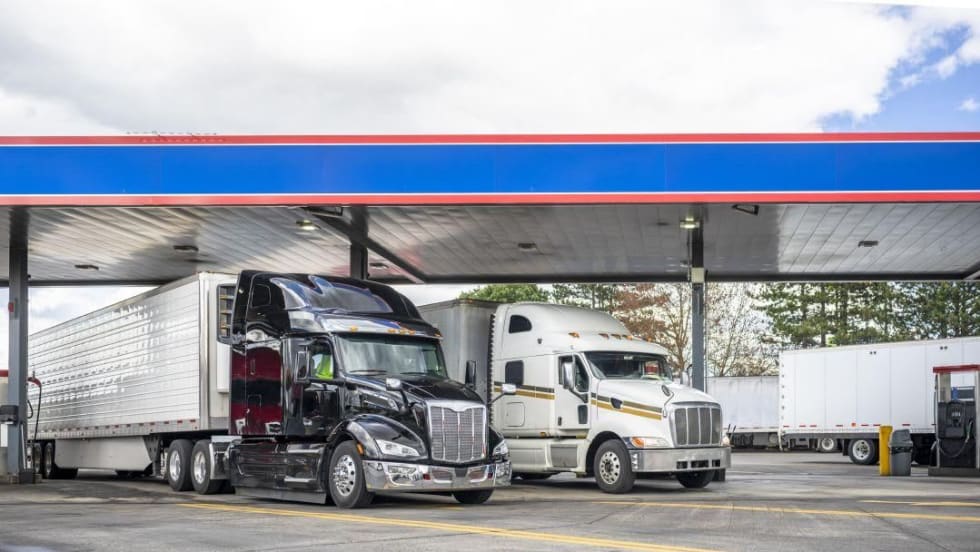
50 Ways Fleets Can Cut Fuel Costs Now — Without Buying New Trucks
Fuel savings don’t come from one big change. They come from dozens of small ones. Here’s how leading fleets are stacking gains across drivers, routing, maintenance, and more.
Read More →
Top Green Fleets 2026: How Fleets Are Reducing Emissions in the Real World
What works in sustainable trucking today? Heavy Duty Trucking's Top Green Fleets are finding practical ways to cut fuel use, reduce emissions, and keep freight moving.
Read More →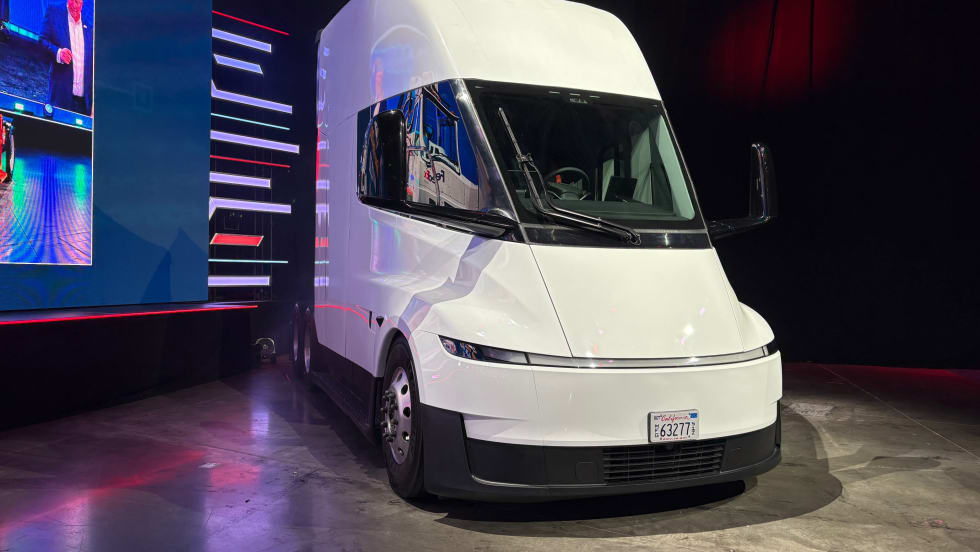
California Launching $1 Billion Electric Truck Rebate Program
CARB says the California Clean Fuel Reward program will begin offering point-of-sale rebates of up to $120,000 for electric commercial trucks starting June 26.
Read More →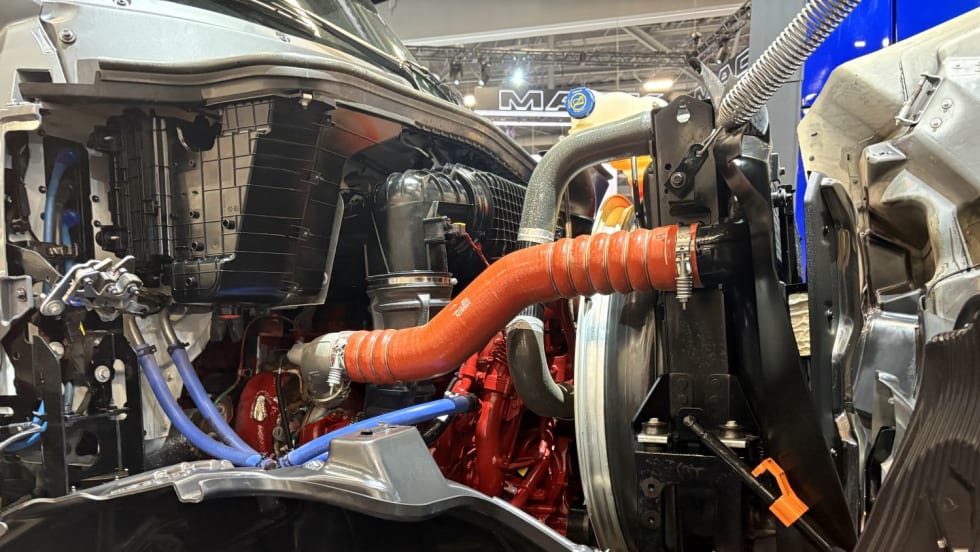
Mack Unveils EPA 2027-Compliant MP13 Engine With More Power, Better Fuel Economy
Along with unveiling its EPA 2027-compliant MP13 engine, Mack outlined powertrain changes across its Class 6-8 lineup, including new Cummins-based X10 engines.
Read More →
How Volvo’s New D13 Engine Meets EPA 2027 Emissions Without Sacrificing Power or Fuel Efficiency
Volvo says advances in combustion and aftertreatment helped its new EPA 2027 D13 engine avoid the fuel-economy penalties many once expected from tighter NOx emissions limits.
Read More →