




Waterless Coolant Shows Savings and Economy Payback
Evans Coolants says its unique waterless engine coolant has shown fuel savings of 3 percent to 7 percent in fleet testing
Evans Coolants says its unique waterless engine coolant has shown fuel savings of 3 percent to 7 percent in fleet testing.
Year-long results from a test with USA Hauling, a CT refuse fleet, showed fuel savings of 7.2 percent for Evans Heavy Duty Thermal Coolant. The Pioneer Valley Transit Authority in Springfield, Mass., conducted a year-long evaluation on several city buses and found fuel savings of 4.4 percent.
At Veolia Environmental Services in Wisconsin, an ongoing fuel economy test shows a fuel economy improvement of 4.2 percent for the seven-month period through April. Evans spokesman Mike Tourville expects the Veolia results to improve further as ambient temperatures get hotter.
The savings were achieved by resetting fan-on and thermostat temperatures for the high-boiling-point coolant. Increasing fan-on temperatures saves fuel because the fans run less frequently.
The PAVE Research Center at Auburn University conducted an SAE Type II Fuel Consumption Test (J1321) using two Detroit Diesel-powered trucks from its fleet. The test truck was converted to Evans waterless coolant and its thermostats were replaced with thermostats actuating at 215 degrees. To remove the fans from being a variable, the fans of both trucks were locked "on" 100 percent of the time. The test truck achieved a 3.04 percent improvement in fuel economy over the control truck from the higher operating temperature.
While these savings are significant and show a payback for the coolant, Tourville points out that this is an incidental benefit. Because the cooling system never needs draining, runs at a very low pressure and experiences no corrosion, the long-term benefit of Evans cooling is the increased reliability and durability of the equipment and the lower cooling system maintenance costs, he says.
One coolant expert cautions that fleets that opt to use waterless coolant will need to make sure they have tight control of their maintenance practices. "The problem is if you add water to them, you're in a world of hurt because corrosion starts going crazy," says Carmen Ulabarro, direct marketing manager at Chevron Products Co. "When a guy's out on the road, what's the easiest thing to find is water. That is a huge dimensional change."
From the June 2010 issue of Heavy Duty Trucking.
More Fuel Smarts
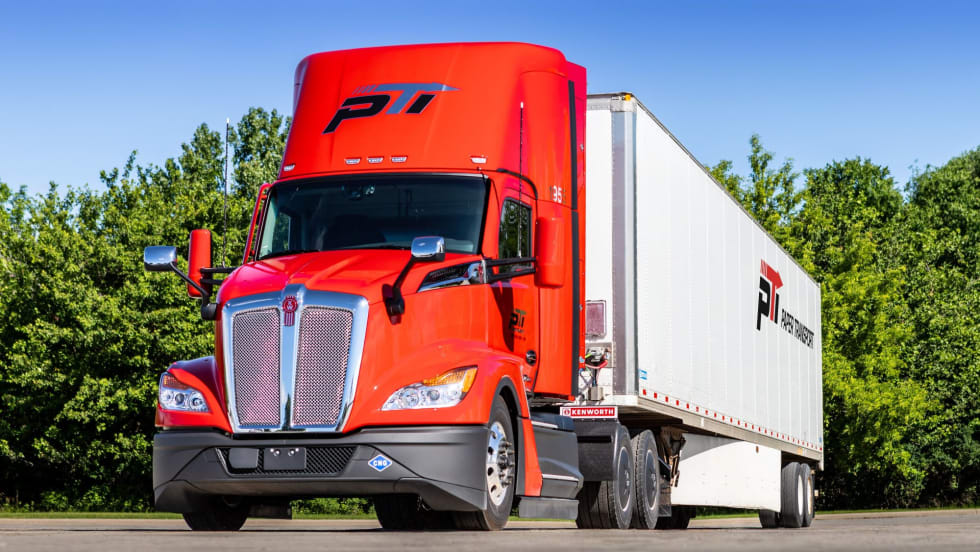
Lessons Learned About Alternative Fuels: Start Small, Stay Flexible
Practical advice on adopting alternative fuels and ZEVs from HDT's 2026 Top Green Fleets, from renewable diesel and natural gas to electric trucks.
Read More →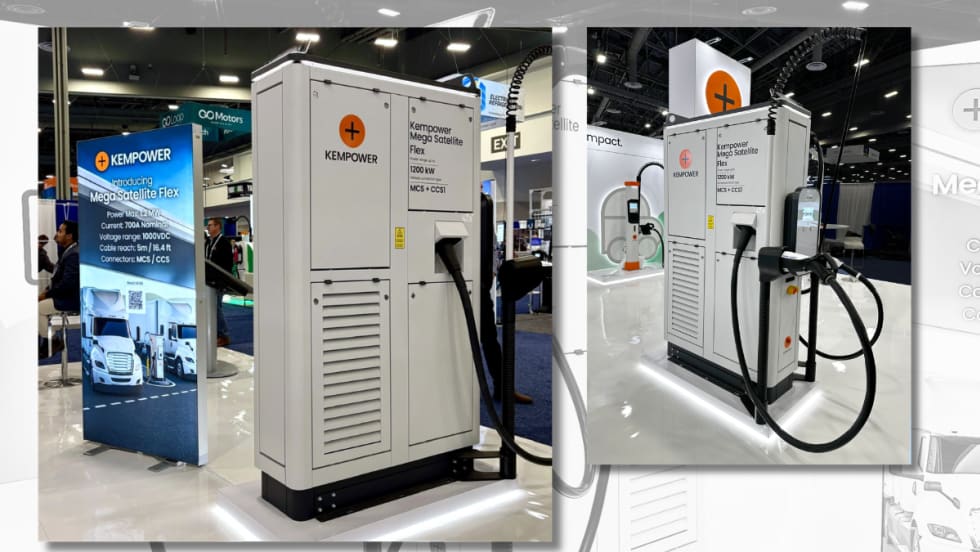
Kempower Adds Flex EV Charger to Help Support Transition to Megawatt Charging
The Kempower Mega Satellite Flex has both a CCS and MCS connector, allowing operators to serve both types of heavy-duty vehicles.
Read More →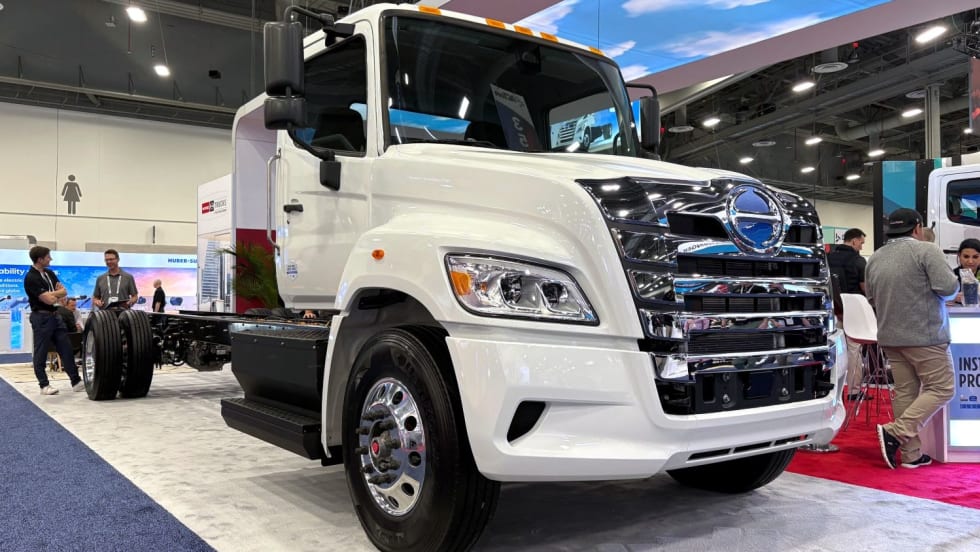
Hino Adds Electric Class 6/7 Truck
Hino says the Le Series is an important step in the company's efforts to reduce environmental impact and support its customers’ sustainability goals.
Read More →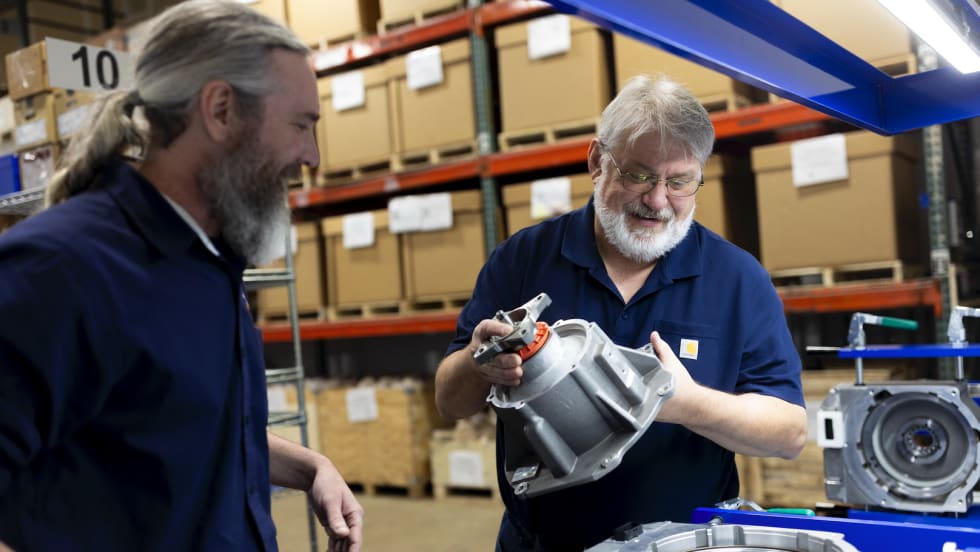
Can Multi-Speed EV Transmissions Solve Heavy Trucking’s Biggest Electric-Vehicle Problems?
A startup called Sigma Powertrain believes purpose-built multi-speed gearboxes can boost efficiency, reduce battery size and improve gradeability for heavy-duty battery-electric trucks.
Read More →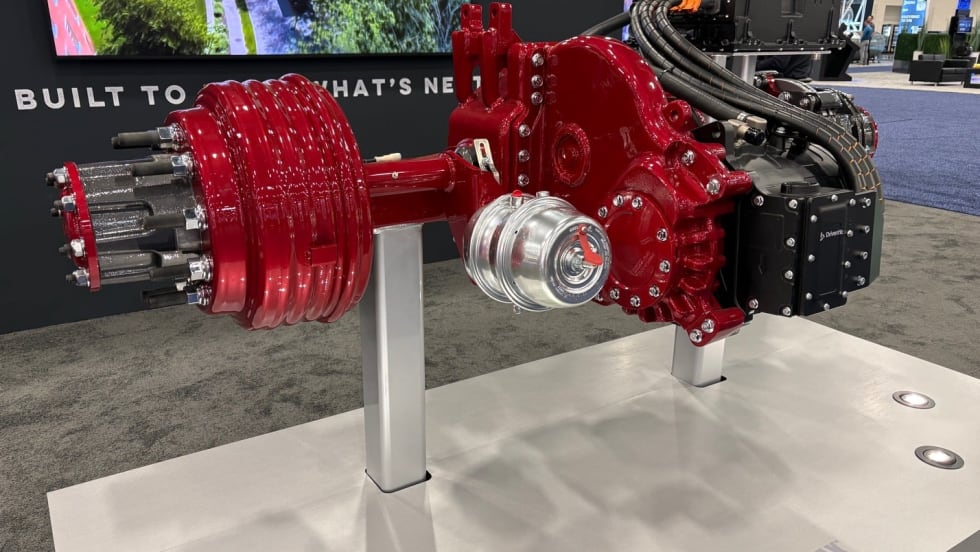
Hendrickson Debuts Electraax E-Axle for Medium-Duty Trucks
Developed with Driventic, Hendrickson's new integrated e-axle is designed to improve efficiency, reduce weight, and extend range in Class 6-7 EV applications.
Read More →
50 Ways Fleets Can Cut Fuel Costs Now — Without Buying New Trucks
Fuel savings don’t come from one big change. They come from dozens of small ones. Here’s how leading fleets are stacking gains across drivers, routing, maintenance, and more.
Read More →
Top Green Fleets 2026: How Fleets Are Reducing Emissions in the Real World
What works in sustainable trucking today? Heavy Duty Trucking's Top Green Fleets are finding practical ways to cut fuel use, reduce emissions, and keep freight moving.
Read More →
California Launching $1 Billion Electric Truck Rebate Program
CARB says the California Clean Fuel Reward program will begin offering point-of-sale rebates of up to $120,000 for electric commercial trucks starting June 26.
Read More →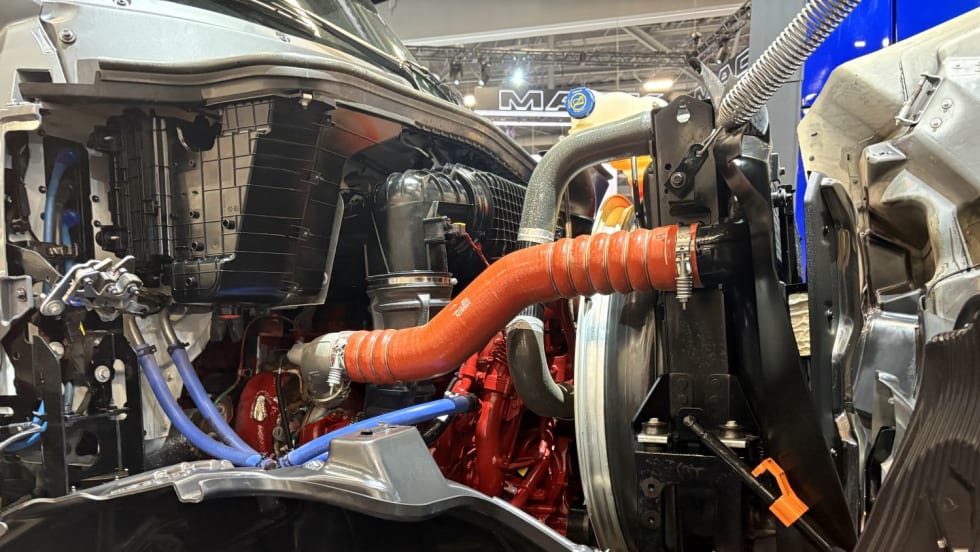
Mack Unveils EPA 2027-Compliant MP13 Engine With More Power, Better Fuel Economy
Along with unveiling its EPA 2027-compliant MP13 engine, Mack outlined powertrain changes across its Class 6-8 lineup, including new Cummins-based X10 engines.
Read More →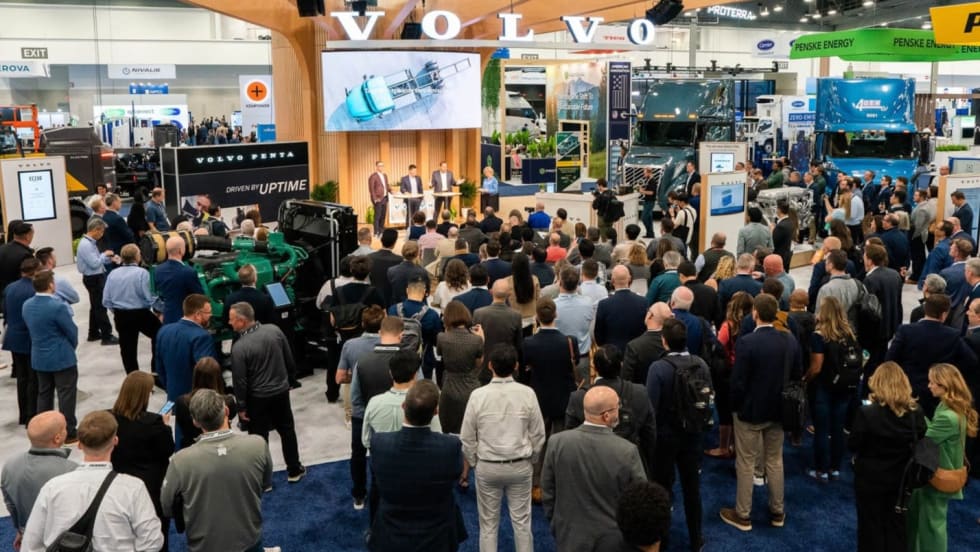
How Volvo’s New D13 Engine Meets EPA 2027 Emissions Without Sacrificing Power or Fuel Efficiency
Volvo says advances in combustion and aftertreatment helped its new EPA 2027 D13 engine avoid the fuel-economy penalties many once expected from tighter NOx emissions limits.
Read More →