




The Future of Fuel Economy
Defining fuel economy for heavy trucks is like asking how many angels can dance on the head of a pin. The scope of your imagination would be the only constraint to the possibilities

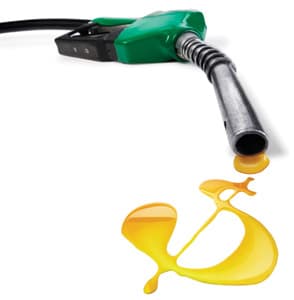
Spec'ing for fuel economy used to be just good business. Soon, it'll be required.
Defining fuel economy for heavy trucks is like asking how many angels can dance on the head of a pin. The scope of your imagination would be the only constraint to the possibilities.
There would be as many ways of accomplishing this as there are fleets operating trucks in America.
In late May, President Obama signed an order directing the Environmental Protection Agency and the National Highway Traffic Safety Administration to establish fuel efficiency and greenhouse gas emissions standards for heavy and medium-duty trucks. The preliminary goal is a 20 percent reduction in greenhouse gas emissions and an increase in fuel economy of as much as 25 percent, beginning with model-year 2014.
Exactly how NHTSA and EPA plan to accomplish this goal and what it means for trucking won't be fully revealed until the final rule is published on July 30, 2011.
Glen Kedzie, environmental counsel at the American Trucking Associations, says NHTSA and EPA have pledged to work closely with industry on the standard. He and many others don't want to see legislators make this rule in a vacuum, and without broad consultation.
So, what's on the table?
"The EPA and NHTSA seem to be going, initially, for the low-hanging fruit, and have said they will look at technology that is available now, and will produce a return on investment within 18 to 24 months," Kedzie says. "That would include aero fittings, tires, and minor engine modifications at first. We probably won't see any significant changes until we get beyond 2020. After that, the focus might change."
Bruce Stockton, the vice president of maintenance and asset management at Con-way Truckload, says he is very happy to see industry at the table this time around.
"We don't want to see another CARB rule," he stresses. "With industry at the table, we'll have an effective watchdog there. And frankly, I think everyone would benefit from a well-thought-out rule that industry can meet and that can be fairly applied."
Measuring economy
So, just what does President Obama mean when he uses the phrase "establish fuel efficiency and greenhouse gas emissions standards" for heavy trucks?
There is a substantial difference in meaning between fuel efficiency and fuel economy. Evidence of that misperception emerged only hours after the Rose Garden announcement in an Associated Press story by Erica Warner and Ken Thomas.
"[Heavy trucks] are big polluters and fuel consumers even though they're far outnumbered by passenger cars. The Union of Concerned Scientists, an environmental advocacy group, said large trucks represent about 4 percent of all vehicles on U.S. highways but devour more than 20 percent of the fuel consumed."
The authors and the Union of Concerned Scientists neglect to mention that per gallon of fuel consumed per volume of work done, heavy trucks are among the most efficient vehicles on the road.
Just for the heck of it, compare a Prius (45 mpg) with a Class 8 highway tractor-trailer (6.5 mpg) for fuel efficiency using a ton-mile per gallon comparison, which some say is a more realistic way of evaluating the amount of work accomplished with said gallon of fuel.
The Prius is the most fuel efficient gasoline car currently sold in the U.S., according to the EPA. The 2009 model weighs in empty at 2900 pounds. Add two average adults and two kids, you go down the road at 3,400 pounds. Still, the heavy truck is almost four times as efficient as the Prius.
Prius: 1.5 tons @ 45 mpg = 67.5 tmpg
Class 8 tractor-trailer: 40 tons @ 6.5 mpg = 260 tmpg
While it's amusing to make comparisons between heavy trucks and small cars, the challenge for the regulators will be a daunting one. Do you measure raw miles per gallon? Do you use a more complex yardstick, such as the thermal efficiency of the engine? Do you measure overall coefficient of drag, or maybe some combination of each? Or maybe you measure the net reduction in a fleet's fuel consumption in a variation of the CAFE standards now used for automobile manufacturers.
In June 2007, regulators in the European Union took on a similar challenge, and began work on a mechanism to regulate fuel economy. If successful, European truck makers will face mandated fuel economy standards in 2013-2014.
They are using a complex matrix of factors that includes chassis or combination specification, weight, rolling resistance, air resistance, powertrain specification and hybridization, engine map, gear box specifications, fuel maps, ECO gear, auxiliaries, mission specifics (speed, road, traffic, etc.), load factors, drivers, climate, and fuel type.
While that list represents practically every conceivable parameter, it still needs some algorithm to pull it all together and deliver a meaningful number, relative to the application. In considering the EU approach, it's worth noting the high degree of integration that exists in European truck manufacturing. Just try that here...
Con-way's Stockton doesn't believe we're going to see stickers in the windows of trucks like those used in passenger cars and light trucks, but he's not sure what the final approach will look like.
"The people who build the trucks can't know what the end-user will be doing with it, therefore it would be impossible to rate trucks that way," he says. "Ton-mile or cube-mile measurements might work, but they'd be inherently complex as well."
Low-hanging fruit
As industry and the regulators grapple with the mechanism, we can be relatively sure of the tools. In the short term at least, any mandate will likely require the adoption of some EPA SmartWay components - the so-called low-hanging fruit.
In March, the National Academy of Sciences, in conjunction with the Transportation Research Board, released a 414-page report called "Technologies and Approaches to Reducing the Fuel Consumption of Medium- and Heavy-Duty Vehicles," which outlines, in exhaustive detail, existing and emerging technologies that could contribute to the fuel-use-reduction objective.
In addition to some pretty exotic modifications to diesel engines, the report lists existing technologies, their benefits, costs, and approximate impact on fuel economy. This low-hanging fruit is what the first stage of the Obama plan seems to be emphasizing.
Diesel engines: The recent focus on reducing particulates and NOx emissions has cost the industry in terms of fuel economy. According to a 2006 report from J.D. Power and Associates, fuel economy declined from 6.04 to 5.72 mpg - a drop of more than 5 percent, attributable directly to the emissions control systems that were phased in during 2003 and 2004. It worsened in 2007.
Don Kraft of Jacobs Vehicle Systems, quoted in a recent report by the Rocky Mountain Institute, says if the industry had been allowed to focus on fuel economy over the past decade rather than reducing NOx, it could have saved 13 billion gallons of fuel per year. And with that would have come corresponding reductions in certain emissions - notably, CO2.
With EPA 2010 now behind us, engine makers are in a position to focus on improving the thermal efficiency of their engines. A peak thermal efficiency of 53 percent (up from the current low- to mid-40s) may be achievable in the 2015-2020 timeframe, and would represent a 20 percent improvement over current engines. But cost has to be considered, along with the overall level of improvement.
Aerodynamics: The NAS report suggests current average drag coefficient is about 0.63. The best currently available is 0.50 to 0.55 (SmartWay-certified tractors and trailers), but in the 2015 to 2020 timeframe, drag coefficients around 0.45 could be feasible. However, there would need to be infrastructure changes to make this practical. If trailer profiles were lowered by 12 inches, as Walmart is currently experimenting with, and trailer floors lowered correspondingly, dock heights would have to change.
"Changing
More Fuel Smarts
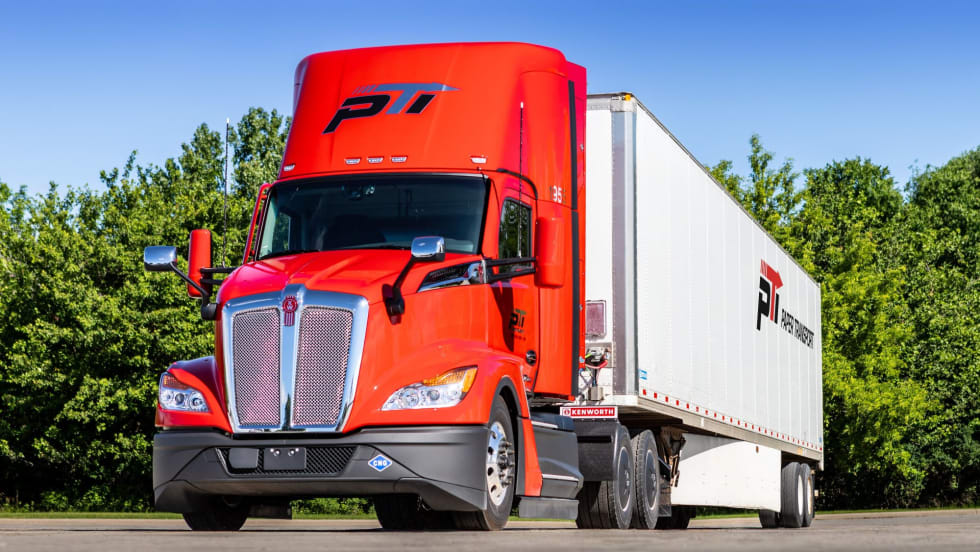
Lessons Learned About Alternative Fuels: Start Small, Stay Flexible
Practical advice on adopting alternative fuels and ZEVs from HDT's 2026 Top Green Fleets, from renewable diesel and natural gas to electric trucks.
Read More →
Kempower Adds Flex EV Charger to Help Support Transition to Megawatt Charging
The Kempower Mega Satellite Flex has both a CCS and MCS connector, allowing operators to serve both types of heavy-duty vehicles.
Read More →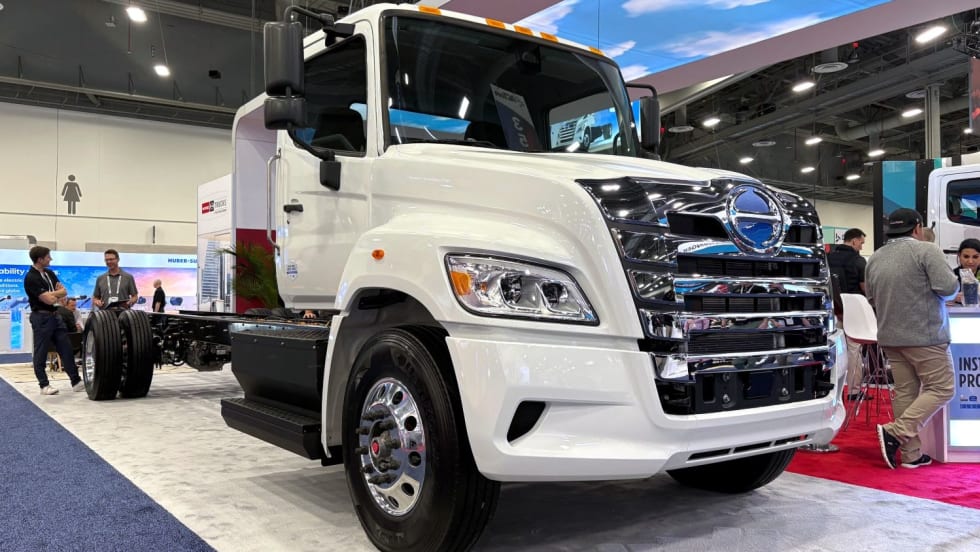
Hino Adds Electric Class 6/7 Truck
Hino says the Le Series is an important step in the company's efforts to reduce environmental impact and support its customers’ sustainability goals.
Read More →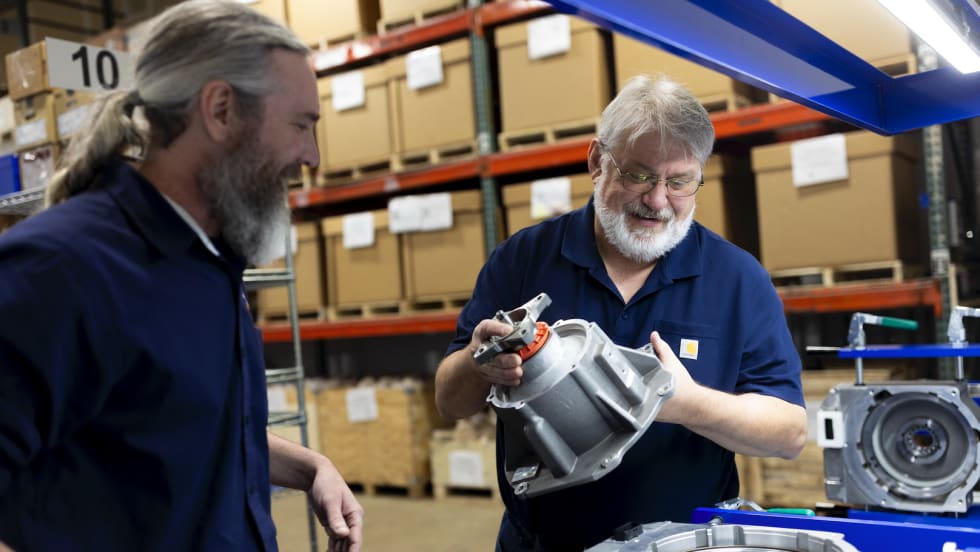
Can Multi-Speed EV Transmissions Solve Heavy Trucking’s Biggest Electric-Vehicle Problems?
A startup called Sigma Powertrain believes purpose-built multi-speed gearboxes can boost efficiency, reduce battery size and improve gradeability for heavy-duty battery-electric trucks.
Read More →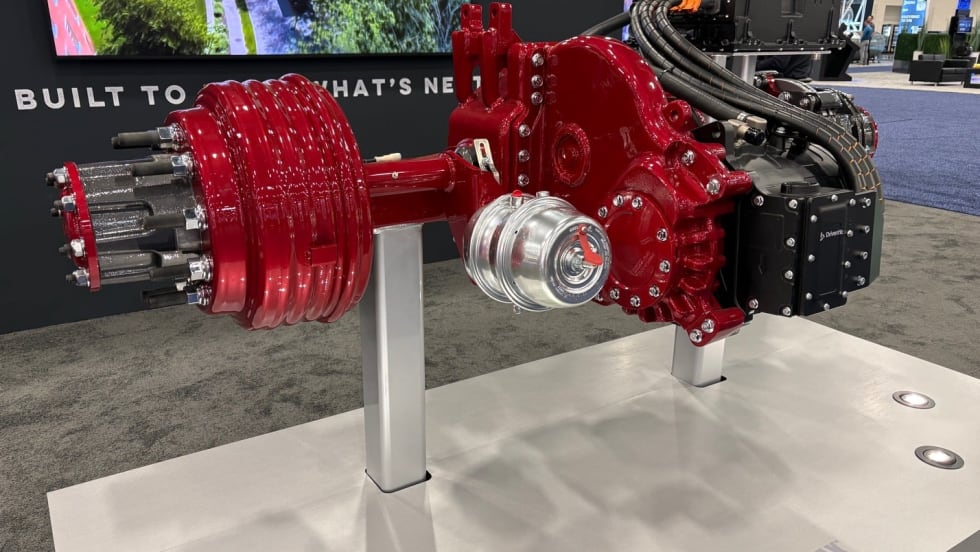
Hendrickson Debuts Electraax E-Axle for Medium-Duty Trucks
Developed with Driventic, Hendrickson's new integrated e-axle is designed to improve efficiency, reduce weight, and extend range in Class 6-7 EV applications.
Read More →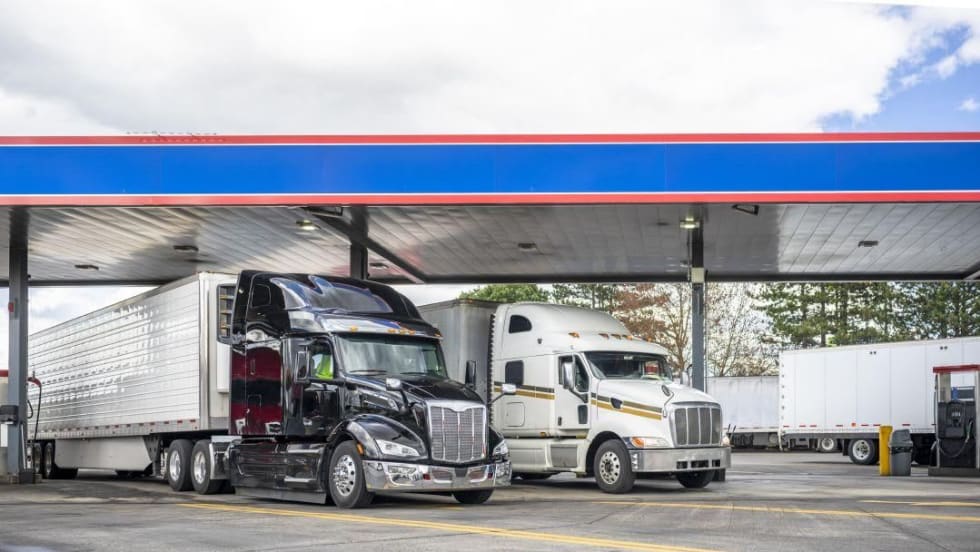
50 Ways Fleets Can Cut Fuel Costs Now — Without Buying New Trucks
Fuel savings don’t come from one big change. They come from dozens of small ones. Here’s how leading fleets are stacking gains across drivers, routing, maintenance, and more.
Read More →
Top Green Fleets 2026: How Fleets Are Reducing Emissions in the Real World
What works in sustainable trucking today? Heavy Duty Trucking's Top Green Fleets are finding practical ways to cut fuel use, reduce emissions, and keep freight moving.
Read More →
California Launching $1 Billion Electric Truck Rebate Program
CARB says the California Clean Fuel Reward program will begin offering point-of-sale rebates of up to $120,000 for electric commercial trucks starting June 26.
Read More →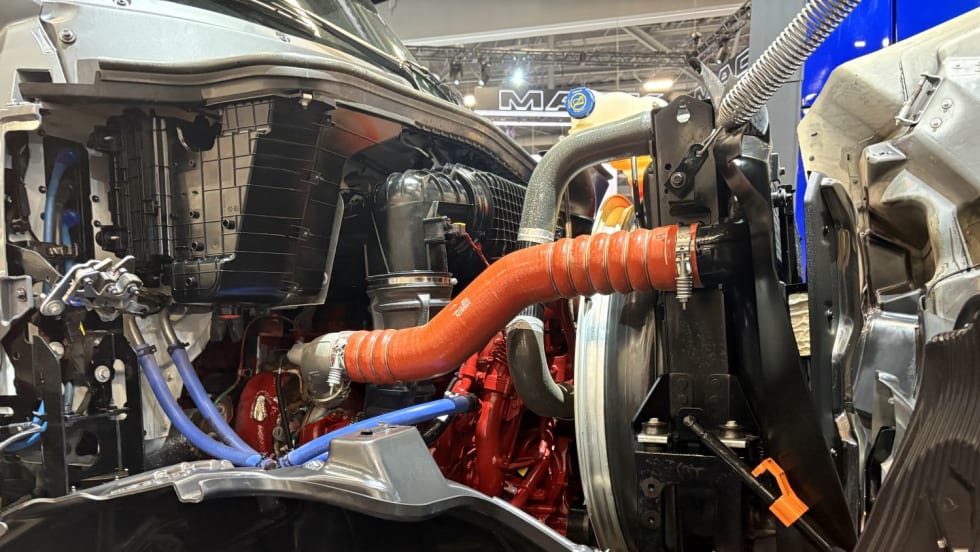
Mack Unveils EPA 2027-Compliant MP13 Engine With More Power, Better Fuel Economy
Along with unveiling its EPA 2027-compliant MP13 engine, Mack outlined powertrain changes across its Class 6-8 lineup, including new Cummins-based X10 engines.
Read More →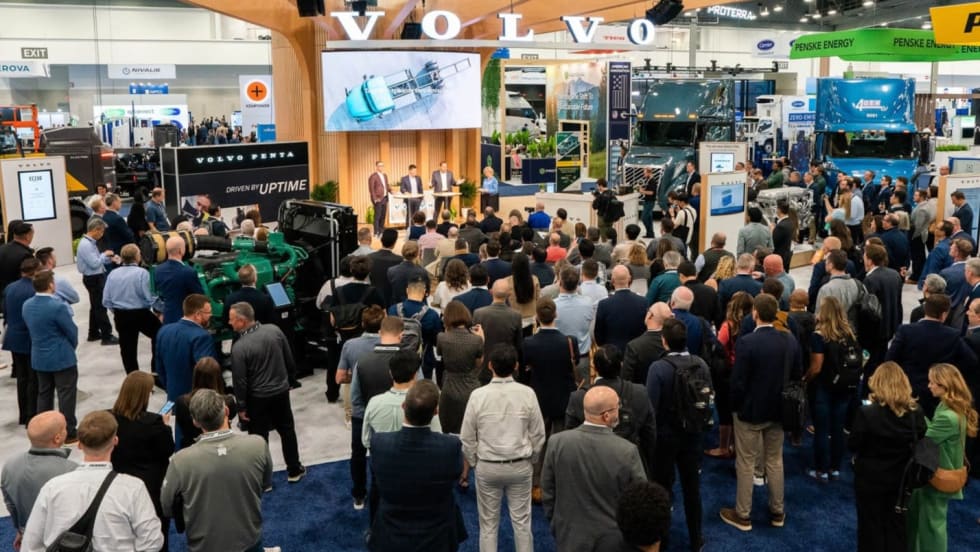
How Volvo’s New D13 Engine Meets EPA 2027 Emissions Without Sacrificing Power or Fuel Efficiency
Volvo says advances in combustion and aftertreatment helped its new EPA 2027 D13 engine avoid the fuel-economy penalties many once expected from tighter NOx emissions limits.
Read More →