




EIA Projects Greater Use of Renewables By 2035
Over the next 25 years, energy consumption is expected to grow, but there will also be a greater use of renewable fuels within the transportation secto

Over the next 25 years, rising oil prices and worries about climate change will prompt more use of alternative fuels, such as biodiesel.
Over the next 25 years, energy consumption is expected to grow, but there will also be a greater use of renewable fuels within the transportation sector
, according to the U.S. Energy Information Administration. In its Annual Energy Outlook 2010, the EIA analyzed energy trends that will shape the U.S. between now and 2035.
The analysis looks at a reference case, which assumes current laws and regulations remained unchanged throughout the projections. The EIA also looks at 38 sensitivity cases, which explore potential changes in policies, markets and technologies that could affect the U.S. energy economy.
"The growth in consumption of renewable fuels is primarily a result of federal and state programs-including the federal renewable fuels standard (RFS), various state renewable portfolio standard (RPS) programs, and funds in ARRA-together with rising fossil fuel prices," the EIA said.
Over the next 25 years, fossil fuels' share of overall energy use is expected to drop from 84 percent in 2008 to 78 percent in 2035.
According to the report, rising oil prices and government incentives will drive the growth of biofuels, which will account for all the growth in liquid fuel consumption in the U.S., while use of petroleum-based liquids will remain flat. The report found that consumption of liquid fuels, including fossil fuel and biofuels, will rise from about 20 million barrels per day in 2008 to 22 million barrels a day in 2035.
"The role played by petroleum-based liquids could be further challenged if electric or natural-gas-fueled vehicles begin to enter the market in significant numbers," the EIA said. "Rising oil prices, together with growing concerns about climate change and energy security, are leading to increased interest in alternative-fuel vehicles (AFVs), but both electric and natural gas vehicles face significant challenges."
While the EIA projects carbon dioxide emissions to increase over the next 25 years, it will be slower compared to population growth. In the reference case, CO2 emissions grow on average by 0.3 percent per year, or a total of 9 percent. Meanwhile, the population should grow an average of 0.9 percent per year. Emissions per capita are expected to fall by 0.6 percent per year.
To view the entire report, visit www.eia.gov/oiaf/aeo/index.html.
More Fuel Smarts
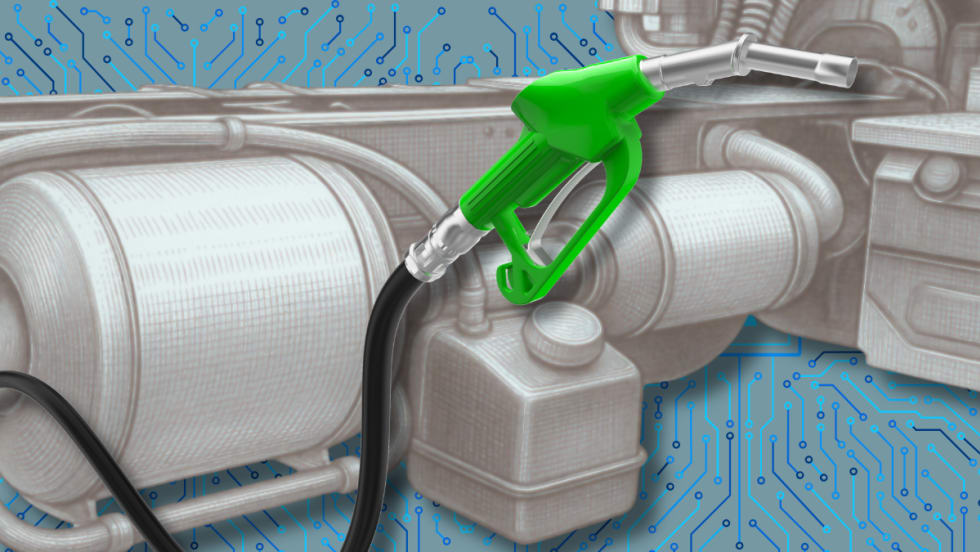
New Agentic Predictive Maintenance Report Demonstrates How Degraded Aftertreatment Systems Waste Fuel
Questar analyzed a large mixed-class fleet and discovered it was wasting as much as $30 in fuel per vehicle, per day, because of mechanically degraded aftertreatment systems.
Read More →
New York City's Microhub Project is Delivering Results
Trucking, last-mile delivery companies, and environmental advocates like what they are seeing so far with New York's microhub program.
Read More →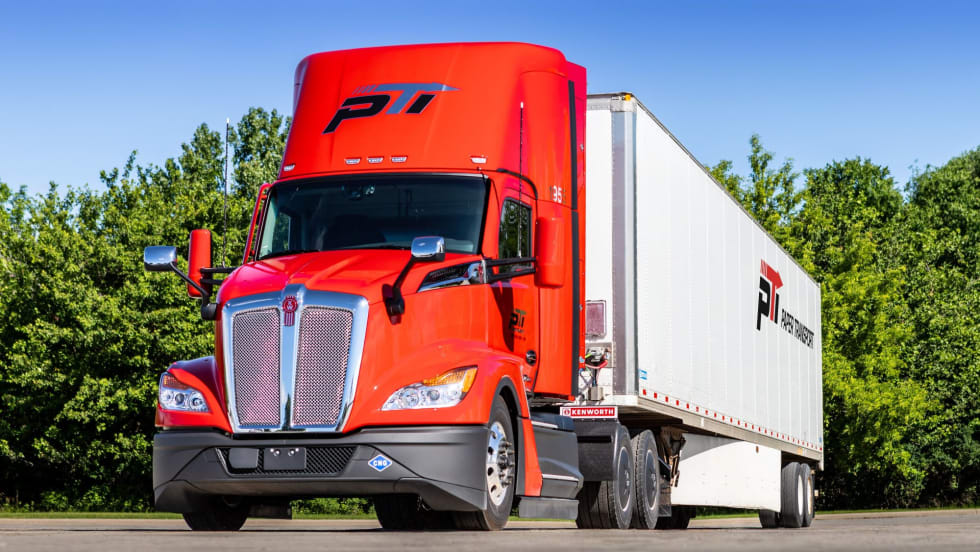
Lessons Learned About Alternative Fuels: Start Small, Stay Flexible
Practical advice on adopting alternative fuels and ZEVs from HDT's 2026 Top Green Fleets, from renewable diesel and natural gas to electric trucks.
Read More →
Kempower Adds Flex EV Charger to Help Support Transition to Megawatt Charging
The Kempower Mega Satellite Flex has both a CCS and MCS connector, allowing operators to serve both types of heavy-duty vehicles.
Read More →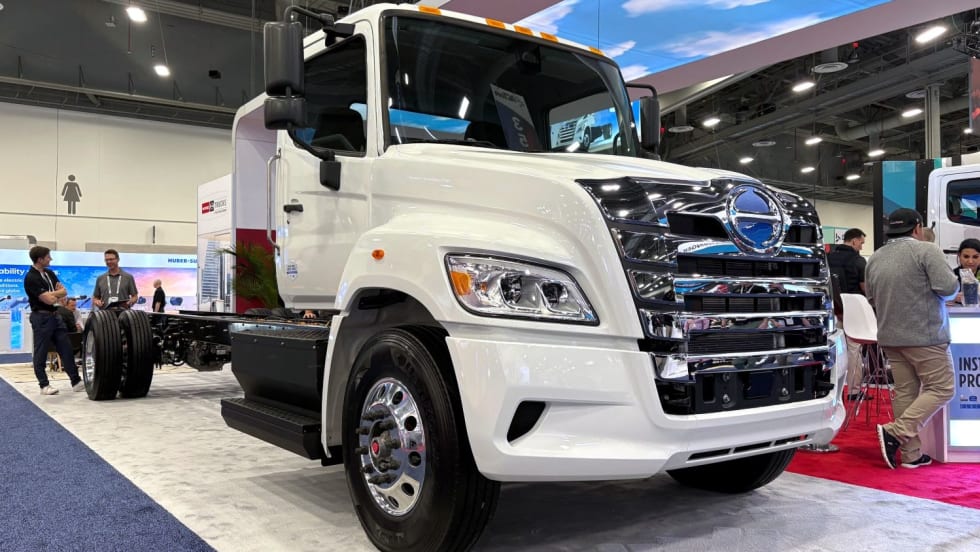
Hino Adds Electric Class 6/7 Truck
Hino says the Le Series is an important step in the company's efforts to reduce environmental impact and support its customers’ sustainability goals.
Read More →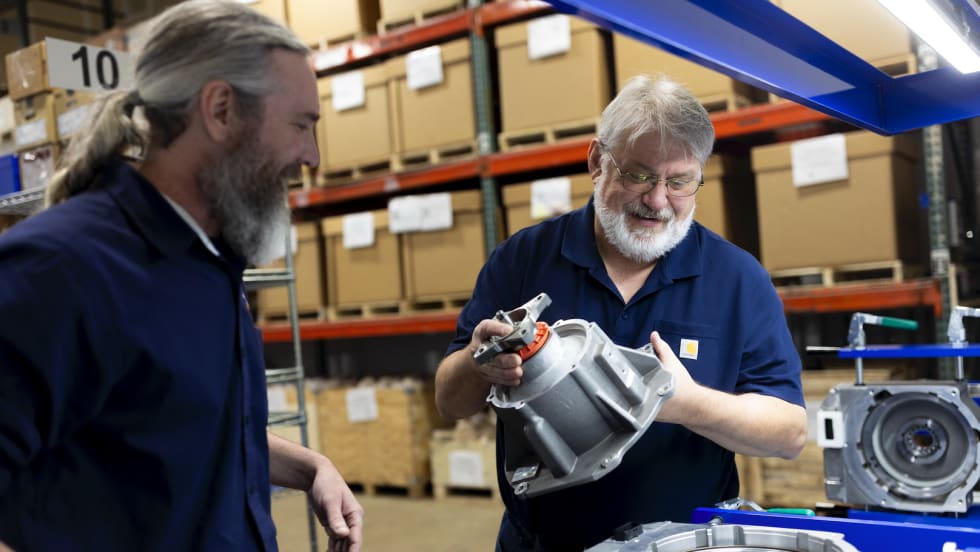
Can Multi-Speed EV Transmissions Solve Heavy Trucking’s Biggest Electric-Vehicle Problems?
A startup called Sigma Powertrain believes purpose-built multi-speed gearboxes can boost efficiency, reduce battery size and improve gradeability for heavy-duty battery-electric trucks.
Read More →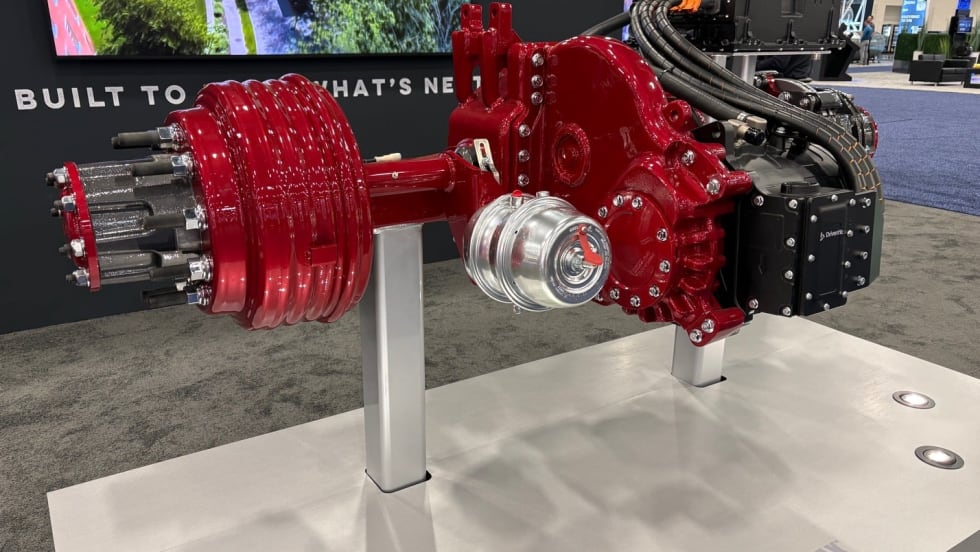
Hendrickson Debuts Electraax E-Axle for Medium-Duty Trucks
Developed with Driventic, Hendrickson's new integrated e-axle is designed to improve efficiency, reduce weight, and extend range in Class 6-7 EV applications.
Read More →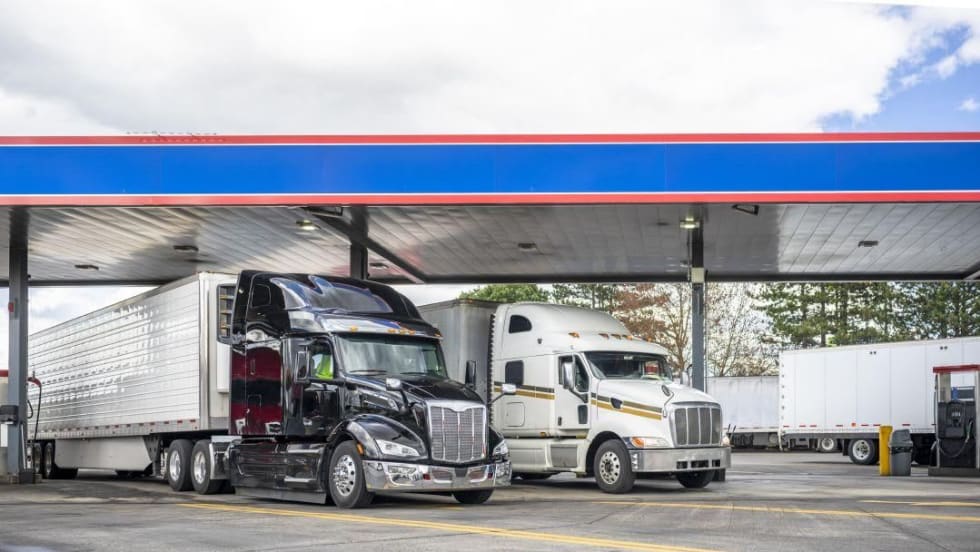
50 Ways Fleets Can Cut Fuel Costs Now — Without Buying New Trucks
Fuel savings don’t come from one big change. They come from dozens of small ones. Here’s how leading fleets are stacking gains across drivers, routing, maintenance, and more.
Read More →
Top Green Fleets 2026: How Fleets Are Reducing Emissions in the Real World
What works in sustainable trucking today? Heavy Duty Trucking's Top Green Fleets are finding practical ways to cut fuel use, reduce emissions, and keep freight moving.
Read More →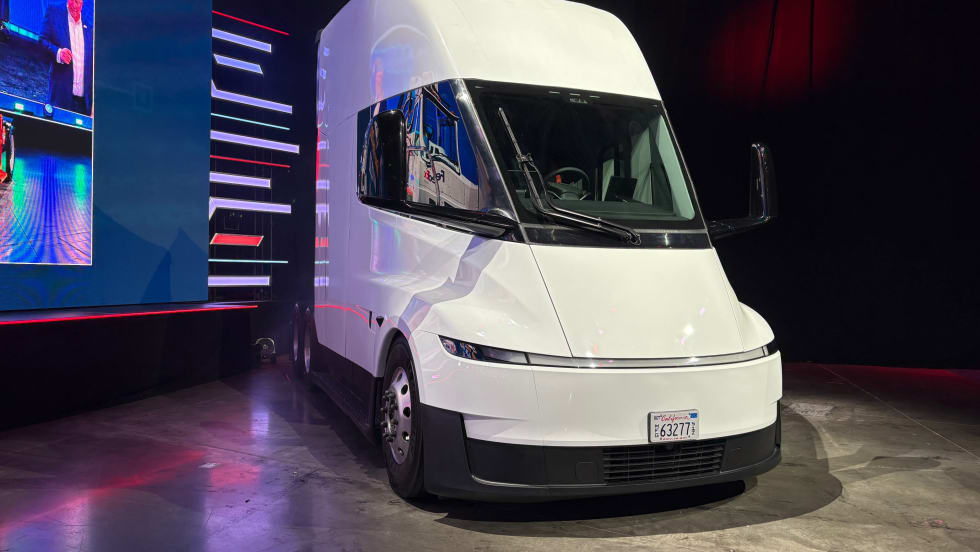
California Launching $1 Billion Electric Truck Rebate Program
CARB says the California Clean Fuel Reward program will begin offering point-of-sale rebates of up to $120,000 for electric commercial trucks starting June 26.
Read More →