




HDAW Session Highlights Hybrids
Diesel-electric hybrids are proving ever more popular in vocations such as utility trucks and pickup and delivery
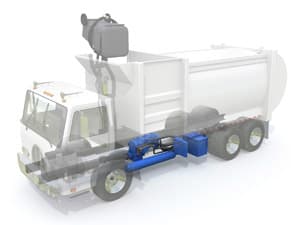
Eaton's hydraulic hybrid system is ideal for use in refuse applications.
Diesel-electric hybrids are proving ever more popular in vocations such as utility trucks and pickup and delivery.
But a session on hybrids during January's Heavy Duty Aftermarket Week highlighted two other types of hybrids that could expand their appeal: Eaton's hydraulic hybrid system and a "dual-mode" ArvinMeritor concept that may put some hybrid savings into over-the-road heavy trucks.
Eaton's hydraulic launch assist (HLA) is beginning to make inroads in the household refuse industry. The technology was initially launched in cooperation with Peterbilt in its Model 320.
Robert Golin, Eaton's hybrid business development manager, said HLA is by far the most suitable hybrid type for such an application, as the power density of the system and the delivery of the energy is precisely what is needed. Experience with the Pete 320 shows that fuel savings can be as much as 50 gallons of diesel per day, and the huge savings in brake maintenance mean a payback in three years on a chassis that may see service over a 12-year period. With tax incentives, the ROI could be as little as two years, said Golin.
The Eaton HLA features a hydraulic pump/motor in the driveline, a couple of nitrogen-filled accumulators, and a controller. As the driver decelerates to pick up the next bin, the braking is by the hydraulic pump as it compresses fluid into the accumulators. With some skill and the right amount of energy diversion, there's only a need to touch the service brakes to hold the truck while the bin is lifted and emptied, usually using an automated side-loader arm. Once the bin is back on the ground, the driver accelerates, but much of the forward motion is gained from the compressed hydraulic fluid running through the driveline hydraulic motor delivering 180 horsepower for five to six seconds.
With relatively uncomplicated components and controls interface, this HLA system can be bundled for a relatively simple aftermarket installation, and Eaton says such a program is in the works for the future.
Highway hybrid
Vern Caron, director of commercial vehicle systems electronics for ArvinMeritor, said the company's prototype dual-mode system offers a diesel-electric series hybrid in one mode and a parallel electric/mechanical transmission diesel truck in the other.
The vehicle - currently a Class 8 International ProStar heavy-duty tractor in Walmart service - carries a slew of lithium-ion batteries, so it has two 350-volt saddlepacks mounted to the frame rails behind the cab. It has no clutch and the transmission features only two gears.
A motor/generator is driven from the conventional Cummins ISX diesel engine. In the electric mode there's no drive direct from the engine: The batteries provide the starting torque to the decoupled motor. Since an electric motor has peak torque at stall, it gets the truck under way well. While it doesn't have the same level of torque as a diesel with the reduction of a multi-speed transmission, the torque is uninterrupted, so the truck accelerates at about the same pace as a diesel-powered unit, Caron explained. In this it is operating in true hybrid series mode and it runs very quietly, emitting no emissions whatsoever.
Once up to speed above 48 mph, the mechanical mode takes over as the driveline locks up and the truck drives as a conventional tractor - but still with electric assist when necessary. It is now in parallel mode.
Batteries recharge under braking or when running downhill.
This sort of vehicle could work in the electric mode while traveling on city and suburban streets heading to and from the freeway, but once on the highway, the power unit would fire up and the mechanical mode would take over.
Initial research shows the system has the potential to improve fuel economy around 15 percent, Caron said, but so far only the first generation of the system has been put together. Generation two is going to be ready within 18 months and will feature a battery package half the physical size of the current unit. Generation three will be the production trucks, available maybe as early as 2013.
From the April 2010 issue of Heavy Duty Trucking.
More Fuel Smarts
Lessons Learned About Alternative Fuels: Start Small, Stay Flexible
Practical advice on adopting alternative fuels and ZEVs from HDT's 2026 Top Green Fleets, from renewable diesel and natural gas to electric trucks.
Read More →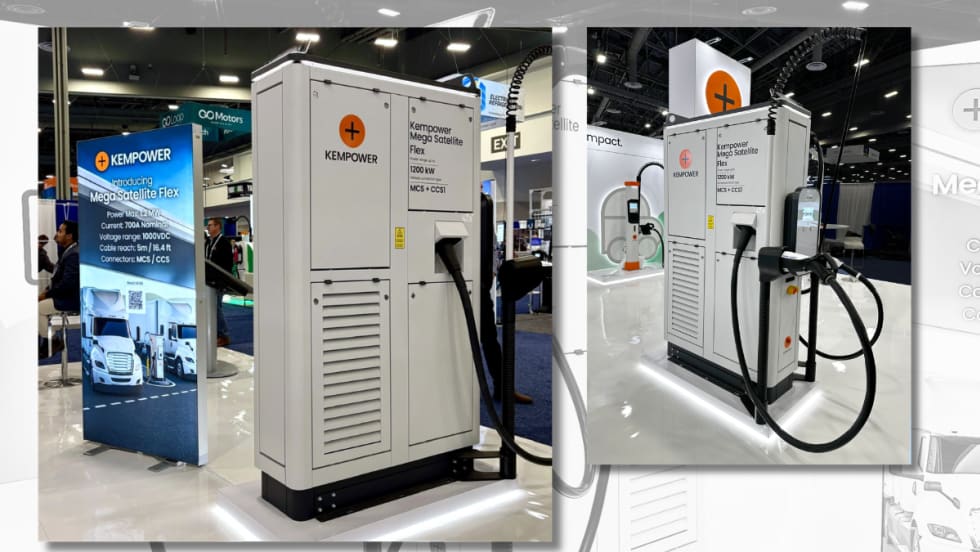
Kempower Adds Flex EV Charger to Help Support Transition to Megawatt Charging
The Kempower Mega Satellite Flex has both a CCS and MCS connector, allowing operators to serve both types of heavy-duty vehicles.
Read More →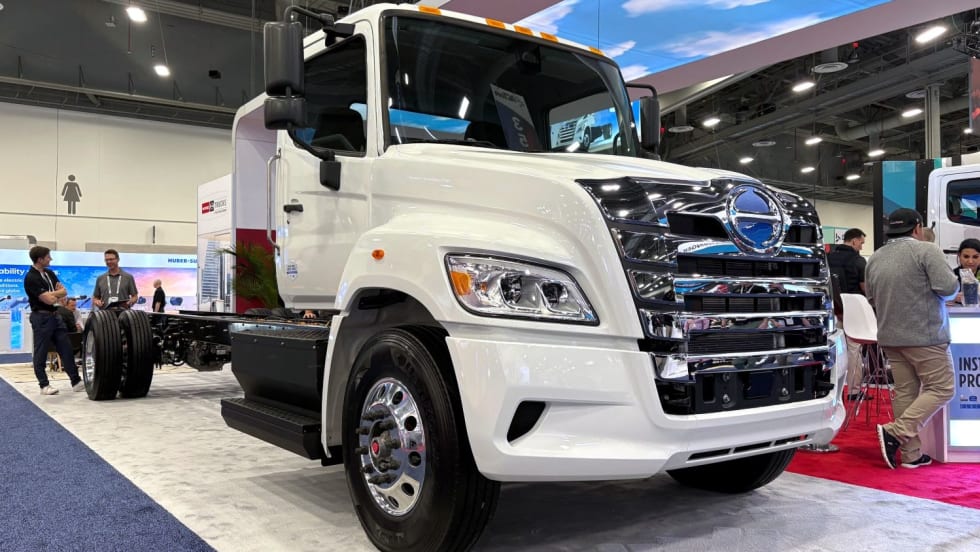
Hino Adds Electric Class 6/7 Truck
Hino says the Le Series is an important step in the company's efforts to reduce environmental impact and support its customers’ sustainability goals.
Read More →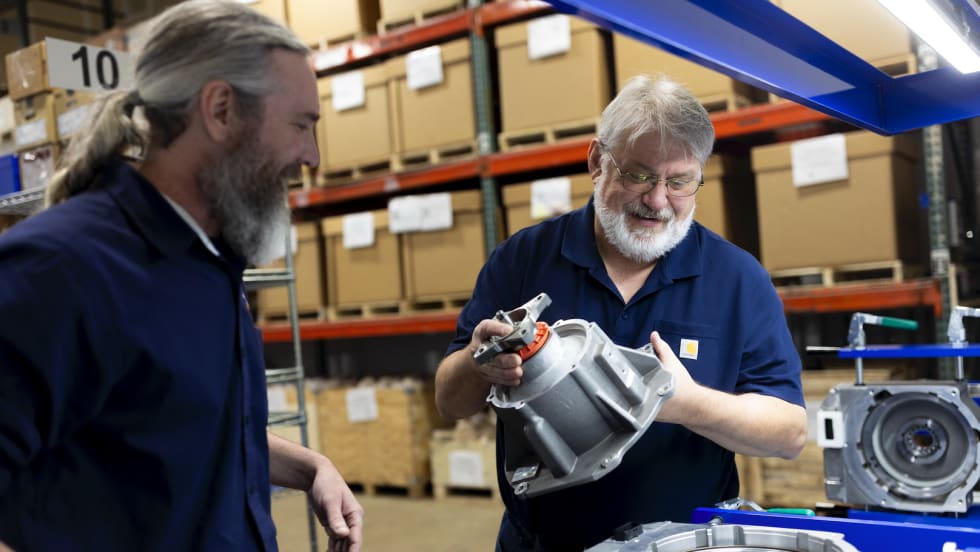
Can Multi-Speed EV Transmissions Solve Heavy Trucking’s Biggest Electric-Vehicle Problems?
A startup called Sigma Powertrain believes purpose-built multi-speed gearboxes can boost efficiency, reduce battery size and improve gradeability for heavy-duty battery-electric trucks.
Read More →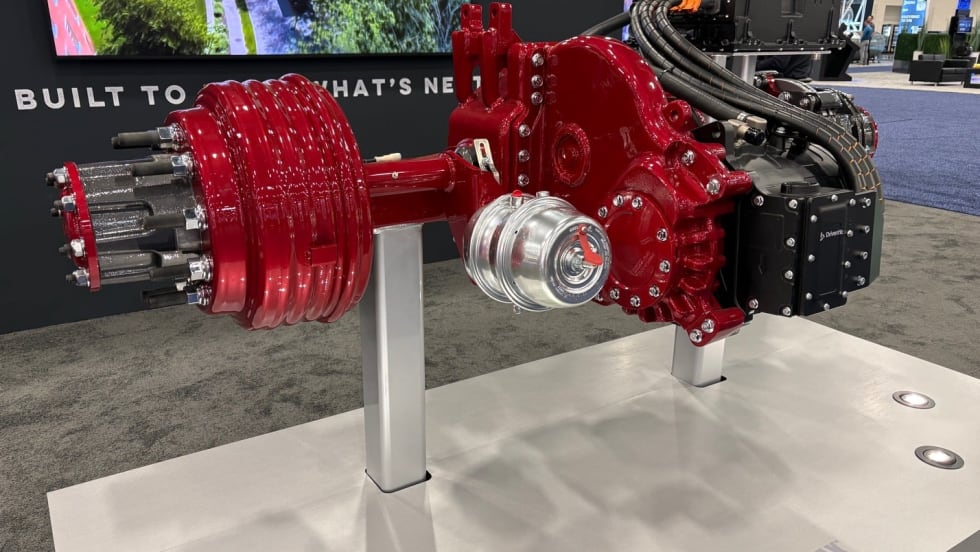
Hendrickson Debuts Electraax E-Axle for Medium-Duty Trucks
Developed with Driventic, Hendrickson's new integrated e-axle is designed to improve efficiency, reduce weight, and extend range in Class 6-7 EV applications.
Read More →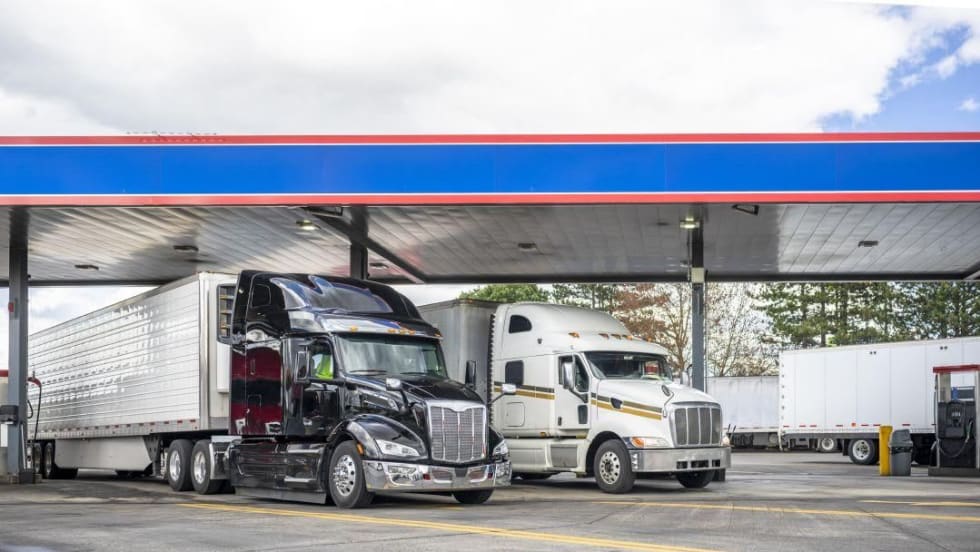
50 Ways Fleets Can Cut Fuel Costs Now — Without Buying New Trucks
Fuel savings don’t come from one big change. They come from dozens of small ones. Here’s how leading fleets are stacking gains across drivers, routing, maintenance, and more.
Read More →
Top Green Fleets 2026: How Fleets Are Reducing Emissions in the Real World
What works in sustainable trucking today? Heavy Duty Trucking's Top Green Fleets are finding practical ways to cut fuel use, reduce emissions, and keep freight moving.
Read More →
California Launching $1 Billion Electric Truck Rebate Program
CARB says the California Clean Fuel Reward program will begin offering point-of-sale rebates of up to $120,000 for electric commercial trucks starting June 26.
Read More →
Mack Unveils EPA 2027-Compliant MP13 Engine With More Power, Better Fuel Economy
Along with unveiling its EPA 2027-compliant MP13 engine, Mack outlined powertrain changes across its Class 6-8 lineup, including new Cummins-based X10 engines.
Read More →
How Volvo’s New D13 Engine Meets EPA 2027 Emissions Without Sacrificing Power or Fuel Efficiency
Volvo says advances in combustion and aftertreatment helped its new EPA 2027 D13 engine avoid the fuel-economy penalties many once expected from tighter NOx emissions limits.
Read More →