




Shipper-Carrier Relations: Coca Cola Supply Looks for a Better Way
We're at a familiar point in the business cycle, a dismal one from the perspective of many carriers
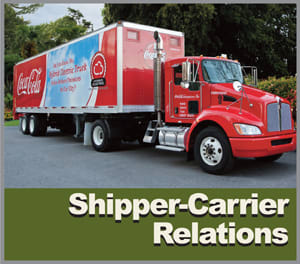
We're at a familiar point in the business cycle, a dismal one from the perspective of many carriers.
With freight down, carriers take even non-sustainable rates in hopes of staying afloat until the economy starts to produce again. At which point the pendulum will reverse: Capacity becomes king and shippers must pay.
One major shipper, Coca Cola Supply, is looking for a better way.
Several years ago the global beverage giant started to examine the logistics end of its business with a mind to take out unnecessary costs, of course, but also to build a more sustainable system. The effort reaches well beyond logistics, but in a presentation at the Oil Price Information Service's Fleet Fueling Conference in September, Coca Cola Supply's Chris Gaffney focused on the shipper-carrier relationship.
"Historically we have not allowed carriers to be very efficient in doing business with us," Gaffney said, describing one of the lessons learned. The soft drink business is by nature volatile in terms of pricing and volume, and the company didn't present that information to its transportation providers very well.
"What we finally found was that carriers said I can't do a good job utilizing my fleet the way you show freight," Gaffney said.
Matching Demand and Supply
What carriers need, the company found, is to have freight flows presented not just on an aggregate annual basis but on a more detailed level at shorter intervals. The aim, Gaffney said, is to get better at matching Coca Cola's demand with the carrier's supply.
"We've had carriers say, if you will allow me to bid more creatively I can do some things that are healthy for me and productive for you."
For example, Gaffney said, the practice of requiring a carrier to bid lane-by-lane can work against the best interests of both sides. A carrier might find, instead, that if it can commit to two lanes simultaneously it can find efficiencies in a third lane as well.
Gaffney described this approach as bidding against an engineered solution. "We want to do that because we think that allows us access over time to better quality capacity. We think it reduces empty miles. It's the kind of practice we want to see more of."
Collaboration Counts
Coca Cola Supply has used this technique and a wide variety of others to save on the order of $100 million over the past three years, Gaffney said. "We look for people who can help us work on this stuff together. A lot of the collaboration we're doing is because a shipper or carrier we work with says, 'I know somebody you ought to talk to.'"
The company is using standard techniques, ranging from automated dispatch and optimization of functions such as procurement and inbound/outbound routing, to fuel management. "We focus on the little things that add up to big things," Gaffney said.
For example, there's nothing unique about the effort to improve fuel economy and reduce emissions. The company limits idling with a 10-minute shutoff, fuel tanks are kept at least a quarter full, tires are kept inflated and highway speed is controlled. The company also is working at cutting extra weight out of tractors and trailers - it has some 3,000 combinations whose payload weight is up toward 52,000 pounds, Gaffney said.
And he sees a lot of opportunity in collaboration with other shippers and carriers. "We're starting to see a lot more work between suppliers and customers on freight that doesn't have anything to do with what we're selling today. We might have a large retail customer we're doing business with and we're starting to talk to them about maybe moving dog food in to one of their distribution centers … we might be hauling orange juice in a refrigerated truck on one side, and fruits and vegetables on the other."
This kind of collaboration has been talked about for a long time, Gaffney said. "But we're now starting to see the maturity in transportation management systems and other ways of transacting business electronically. I think there's a big opportunity there."
Equipment Innovation
Next: he wants to make better decisions about how Coca Cola products are hauled. "We have a lot of Coke assets that run truckload freight but we haven't necessarily been as thoughtful as we need to be in terms of making the right decisions on the size of those fleets and how we have them deployed," he said. "It's a huge area of opportunity for mileage reduction."
The company has the resources to invest in longer-term innovations, as well. It has more than 140 hybrid straight trucks in service. These are the Eaton direct hybrid system with the Paccar PX-6 240-horsepower engine and Hitachi batteries in a 33,000-pound-GVW, six-bay delivery truck. This year the company is deploying 150 hybrid tractors - again with Eaton-Paccar-Hitachi technology but in a 55,000-pound-GVW single-axle route tractor.
For more on the shipper/carrier relationship, see the November issue of Heavy Duty Trucking magazine.
More Fleet Management
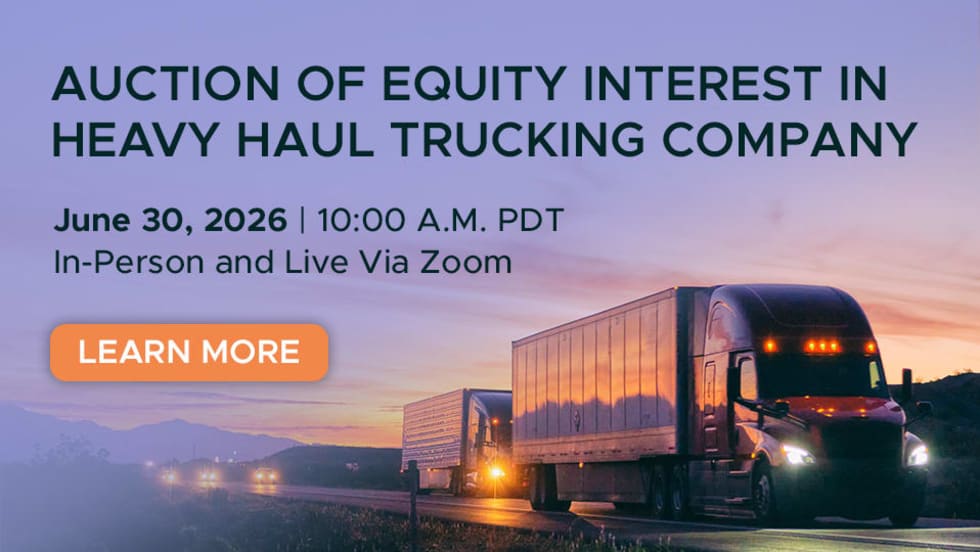
AUCTION OF EQUITY INTEREST IN HEAVY HAUL TRUCKING COMPANY!!
Mark your calendar: June 30, 2026 (10:00 a.m. PDT). MagnaTrans, LLC, a California limited liability company doing business as Magna Transportation Group is going to auction! Bid on a 37.5% ownership interest in this Rancho Cucamonga-based heavy haul and over-dimensional trucking company operating across California, Oregon, and Arizona. The equity interest will be sold to the highest bidder or bidders under Article 9 of the Uniform Commercial Code at 10:00 a.m. PDT.
Read More →
Volvo Trucks Adds Unattended Over-the-Air Software Update Capabilities
The latest evolution of Volvo’s over-the-air update technology allows software updates to run while trucks are parked, helping fleets keep vehicles current without disrupting operations.
Read More →
How Waste Connections is Using Data, Telematics, and AI
How do you manage and maintain more than 18,000 connected trucks? Data. Lots of it.
Read More →
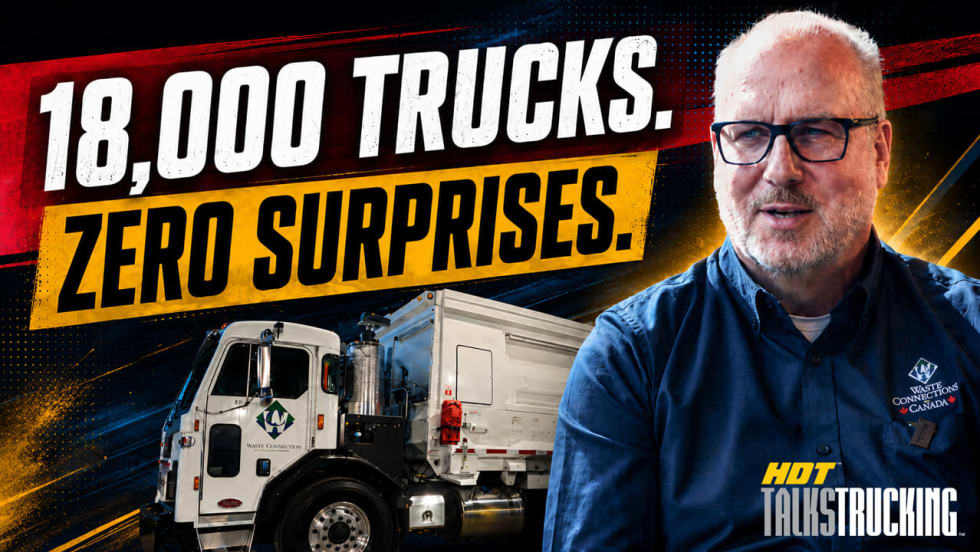
Why Fleet Data Matters More Than Ever at Waste Connections [Watch]
Waste Connections' Chuck Palmer explains how telematics, predictive maintenance, safety analytics, and AI help keep vehicles on the road and drivers safe in this episode of HDT Talks Trucking.
Read More →
NMFTA Launches Free, Anonymous Cybersecurity Threat Report Portal
Organizations are encouraged to anonymously report freight fraud, cargo crime, and cyber threats while gaining visibility into incidents reported across the transportation sector.
Read More →
AI Can Optimize a Fleet. Can It Replace Human Judgment?
Fleets fear falling behind if they don’t adopt AI quickly enough. They also fear what happens if the technology makes the wrong decision.
Read More →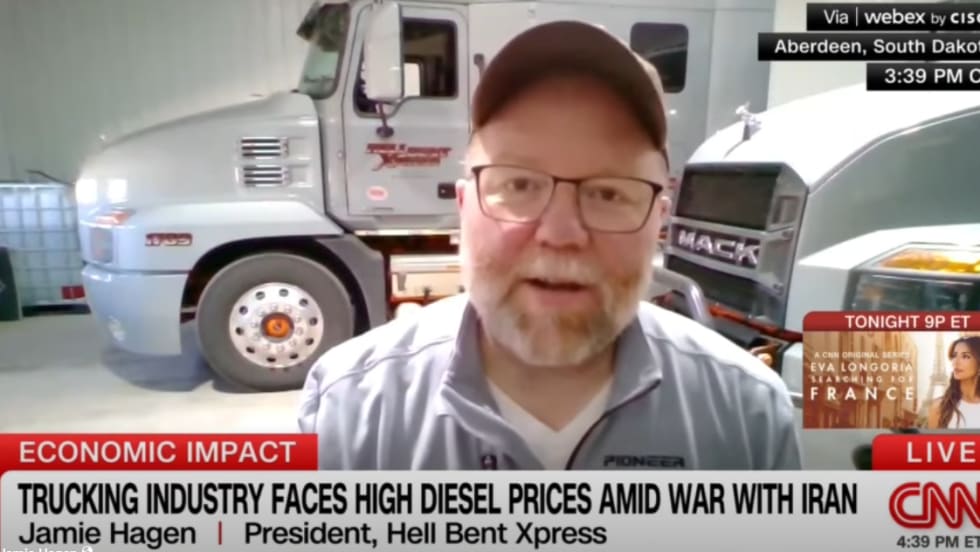
Jamie Hagen Gets Real About Running a Small Fleet in an Uncertain Economy
Small fleet owner Jamie Hagen says new legal risks, volatile fuel prices, and a changing freight market are forcing small carriers to rethink how they operate — and what they can afford.
Read More →
Jamie Hagen Gets Real About Freight, Fuel Prices, Safety, and Small-Fleet Survival
Running a small trucking fleet right now isn’t easy, especially right now. And Jamie Hagen doesn’t sugarcoat it.
Read More →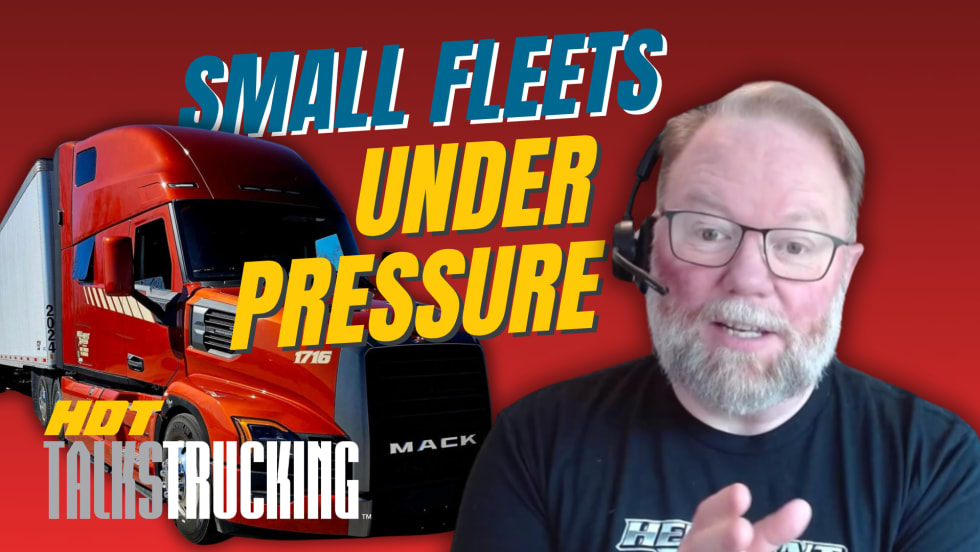
Jamie Hagen Gets Real About Freight, Fuel Prices, Safety, and Small-Fleet Survival
Running a small trucking fleet right now isn’t easy, especially right now. And Jamie Hagen doesn’t sugarcoat it.
Read More →
Data Lock‑In or Integration Lock‑Out?
Data fragmentation is costing dealerships, OEMs, fleets, and upfitters millions. Here’s why interoperability may be the fix the trucking industry needs.
Read More →