




Federal Stimulus Includes Billions For Alternative-fuel and Electric Vehicles
Kimberly Taylor of the Alternative Fuel Vehicle Institute was almost ecstatic. "The whole world is watching their calendar, waiting for their grants to come out," she said of people in the business of producing and using cars, truck

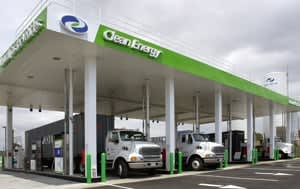
Sterling and Kenworth drayage tractors fill up at a new liquified natural gas station opened by Clean Energy Fuels Corp. adjacent to the Ports of Los Angeles and Long Beach in southern California.
Kimberly Taylor of the Alternative Fuel Vehicle Institute was almost ecstatic. "The whole world is watching their calendar, waiting for their grants to come out," she said of people in the business of producing and using cars, trucks
and buses powered by something other than standard gasoline and diesel. The federal grants she spoke of are part of recent legislation meant to boost the general economy and along with it, encourage the use of clean-burning domestic fuels.
Government money is vital to the alternative fuels industry, because on their own, the fuels can't compete with standard gasoline and diesel. They've been around so long and work so well as energy sources that production, distribution and automotive engines are all geared to them. Natural gas, propane, ethanol, clean diesel and electric power need artificial financial legs to leap ahead, and government grants provide them.
In previous years, annual grants in the tens of millions of dollars were all the industry could hope for. This year, thanks to the American Reinvestment & Recovery Act - the much praised and criticized federal stimulus package passed by Congress at the urging of the Obama and Bush administrations - grants run "into the billions," Taylor said. They include:
• $10 million for advanced-technology vehicle manufacturing;
• $300 million to reduce diesel emissions;
• $300 million for regional deployment of alternative-fuel vehicles;
• $400 million for near-term deployment of electric-drive vehicles; and
• $2 billion for research and development of electric-vehicle batteries.
Among the companies and organizations that have received funding under the ARRA for commercial truck applications are Allison, Delphi, Eaton, Navistar, Remy, Smith Electric Vehicles, Cascade Sierra Solutions, and California's South Coast Air Quality Management District.
Electric vehicles and batteries are getting major funding because they are zero polluters, at least as measured at their tailpipes, if they had any. Development of more efficient batteries will also help hybrid-electric vehicles, which now cost a lot partly because of their expensive batteries. Detractors charge that plug-in electric cars, trucks and buses only transfer the source of air pollution to power plants that copious amounts of carbon dioxide, sulfur and other nasty substances. However, power plants are closely regulated and themselves will benefit from billions in new spending to make them cleaner.
Beyond electric
Today's "clean diesel," the ultra-low-sulfur fuel burned by late-model engines using particulate filters and oxidation catalysts, is part of the alternative fuels mix, because exhaust is cleaned almost entirely of particulates, nitrogen oxide and other pollutants. 2010-model diesels will be so clean that authorities don't have instruments capable of measuring what's left in the exhaust. In some locales, exhaust will be cleaner than the air the engines take in, industry officials contend. That's why the $300 million in the ARRA will be spent on equipping pre-2007 trucks with diesel particulate filters. Additional money has already been allocated in California for retrofitting DPFs.
In addition, tax breaks for domestically produced natural gas, propane and ethanol will likely continue so they can displace imported oil. That makes us less dependent on sometimes unfriendly foreign countries (though it might surprise you to learn that the single biggest supplier of oil to the U.S. is Canada).
Federal tax credits for buyers of hybrids and alternative-fuel vehicles are due to expire at the end of this year, but industry lobbyists are working to get Congress to extend them. These credits offset the substantial upcharge for vehicles equipped to burn the special fuels.
Local incentives
New federal grants will augment state and local monies that have been available for some time. That includes southern California, where authorities are encouraging truckers to buy trucks that burn natural gas and ultra-low-sulfur diesel. Such tractors are being required by the Ports of Los Angeles and Long Beach, which last year began requiring the phase-out of old, smoky drayage tractors. The ports instituted fees on containers to pay for grants and low-interest loans and leases on new, clean tractors. A multi-million-dollar fueling station dispensing liquified natural gas (LNG) has just opened at one of the ports and was paid for by government money.
Natural gas-powered day cab tractors are now offered by Freightliner and Kenworth for use at those ports, though other customers are also buying some of them. Kenworth's T800 has a Cummins Westport 15-liter IS-G engine that also uses diesel fuel for pilot ignition. The just-announced Freightliner M2 uses an 8.9-liter ISL-G and Allison automatic transmission; this model replaces a Sterling tractor that went out of production when Daimler Trucks North America shut down its Sterling business. Initial M2 tractors will have a single LNG saddle tank. Later, Freightliner will offer a CNG version with tanks behind the cab.
Such tractors cost considerably more than those that burn ultra-low-sulfur diesel, and it's not just because of the gas-fired engines. Tanks to store liquified and compressed natural gas are certified pressure vessels that are very expensive to manufacture. A single LNG tank costs about $15,000, Daimler engineers have said, while a bank of CNG tanks runs about $25,000. That's an example of how the new federal stimulus money should have no trouble being spent.
From the September 2009 issue of Heavy Duty Trucking.
More Fuel Smarts
Lessons Learned About Alternative Fuels: Start Small, Stay Flexible
Practical advice on adopting alternative fuels and ZEVs from HDT's 2026 Top Green Fleets, from renewable diesel and natural gas to electric trucks.
Read More →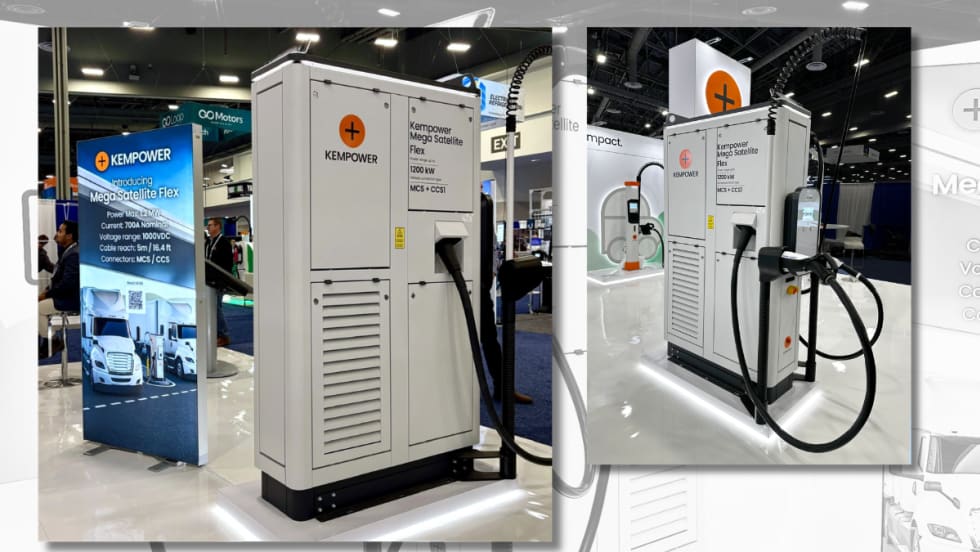
Kempower Adds Flex EV Charger to Help Support Transition to Megawatt Charging
The Kempower Mega Satellite Flex has both a CCS and MCS connector, allowing operators to serve both types of heavy-duty vehicles.
Read More →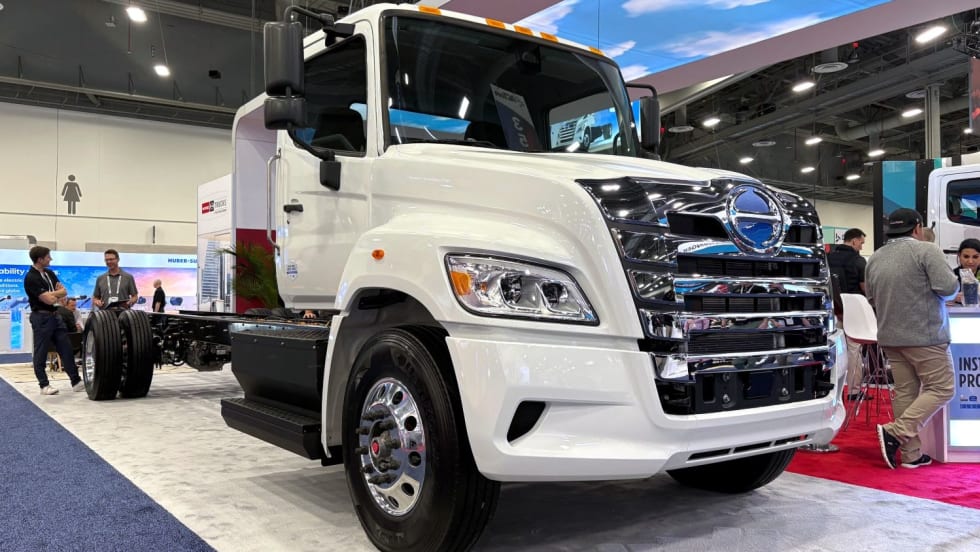
Hino Adds Electric Class 6/7 Truck
Hino says the Le Series is an important step in the company's efforts to reduce environmental impact and support its customers’ sustainability goals.
Read More →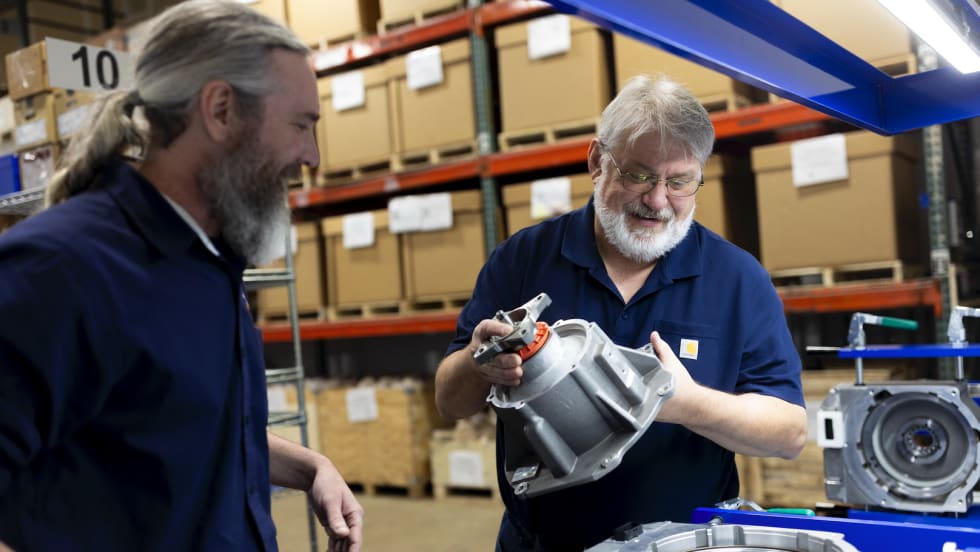
Can Multi-Speed EV Transmissions Solve Heavy Trucking’s Biggest Electric-Vehicle Problems?
A startup called Sigma Powertrain believes purpose-built multi-speed gearboxes can boost efficiency, reduce battery size and improve gradeability for heavy-duty battery-electric trucks.
Read More →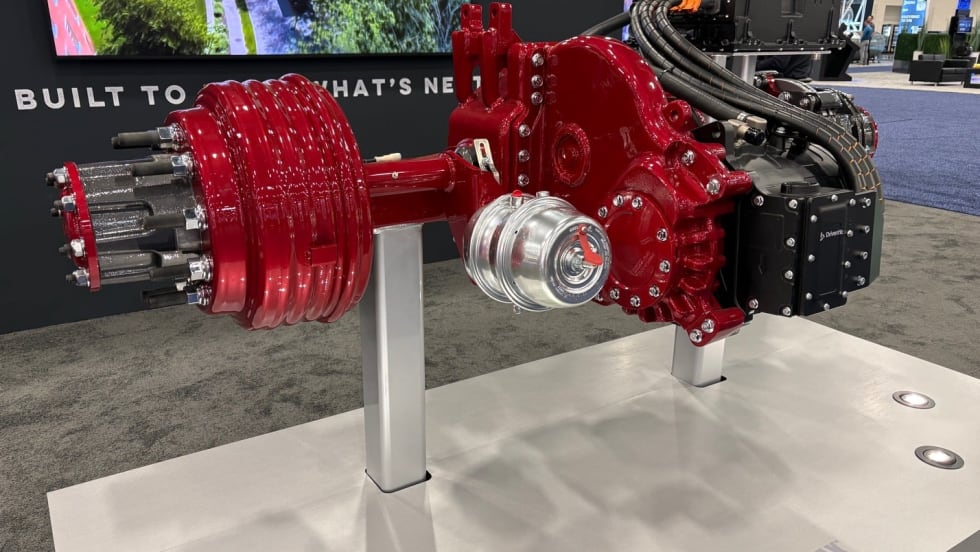
Hendrickson Debuts Electraax E-Axle for Medium-Duty Trucks
Developed with Driventic, Hendrickson's new integrated e-axle is designed to improve efficiency, reduce weight, and extend range in Class 6-7 EV applications.
Read More →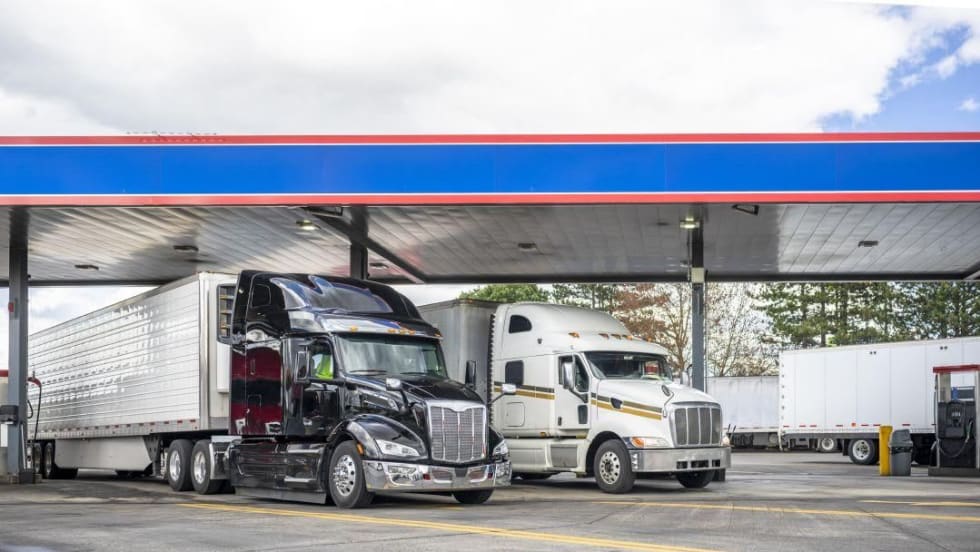
50 Ways Fleets Can Cut Fuel Costs Now — Without Buying New Trucks
Fuel savings don’t come from one big change. They come from dozens of small ones. Here’s how leading fleets are stacking gains across drivers, routing, maintenance, and more.
Read More →
Top Green Fleets 2026: How Fleets Are Reducing Emissions in the Real World
What works in sustainable trucking today? Heavy Duty Trucking's Top Green Fleets are finding practical ways to cut fuel use, reduce emissions, and keep freight moving.
Read More →
California Launching $1 Billion Electric Truck Rebate Program
CARB says the California Clean Fuel Reward program will begin offering point-of-sale rebates of up to $120,000 for electric commercial trucks starting June 26.
Read More →
Mack Unveils EPA 2027-Compliant MP13 Engine With More Power, Better Fuel Economy
Along with unveiling its EPA 2027-compliant MP13 engine, Mack outlined powertrain changes across its Class 6-8 lineup, including new Cummins-based X10 engines.
Read More →
How Volvo’s New D13 Engine Meets EPA 2027 Emissions Without Sacrificing Power or Fuel Efficiency
Volvo says advances in combustion and aftertreatment helped its new EPA 2027 D13 engine avoid the fuel-economy penalties many once expected from tighter NOx emissions limits.
Read More →