




EGR Engines and Oil Control
One of the planks in Caterpillar's argument for its Acert technology was that no particulate-heavy exhaust was recirculated into the inlet, as is the case with other exhaust gas recirculation technologies
One of the planks in Caterpillar's argument for its Acert technology was that no particulate-heavy exhaust was recirculated into the inlet, as is the case with other exhaust gas recirculation technologies.
Those other engines, sucking on their own waste, would fail early, said the company.
Now Cat's contention that the engine would see fouling of the inlet tract, heavy particulate contamination of the lube oil and even accelerated ring and liner wear would seem to be bearing out.
According to Chris Sands of Sanco Filtration, a Georgia-based startup, that is precisely what is happening in the real world.
Sands is the service manager at a major multi-store truck dealership. He has been seeing trucks coming in with escalating oil consumption - sometimes as much as 8 gallons in 500 miles with only 250,000 to 350,000 miles on the odometer. Engine teardowns reveal huge deposits of carbon in the inlet manifold and around the inlet valves. It is these chunks of solid carbon that do the damage, breaking off and getting in to the cylinders.
Cat's contention was that the particulates would do the damage, but Sands maintains that the particulates in the recirculated exhaust are only in the 1-2 micron range and normally pass through the EGR cooler and valve and on through the engine with no consequences. It's the chunks of carbon that are the problem. They're like throwing dirt into the engine.
On one brand of engine, piston rings have the chrome face worn through, oil control rings are polished to the point that the control grooves are gone, and liners show as much as 40 thousandths wear - 80 thousandths across the bore. And this is at mileages as low as 300,000.
When Sands saw what was happening, a light bulb went off in his head: An EGR filter might fix the problem. So he designed, patented and built a prototype filter assembly. Then he took it to a major fleet to test.
Easier said than done. The fleet - a high-profile, national fleet - was reluctant to install anything in the EGR system that wasn't factory-approved and certified. The fleet didn't want to fall afoul of EPA. That didn't stop Sands, though. He found another customer with a new truck at 144,000 miles that was willing to give it a try. Now at 411,000 miles, that engine still only consumes around a gallon between oil changes at 15,000 miles and is on track to go a million miles.
Since then, Sands has installed filters on 2008 and 2009 trash trucks with particularly heavy-duty cycles and a different brand of engine that has issues with EGR valves. Those engines have not "dropped" an EGR valve since, he says.
The filter is a can that is inserted in the EGR transfer pipe, between the cooler and the inlet. It is a relatively simple install that replaces a short section of the piping with the can and two rubber hoses and clamps. It currently costs around $400 for the filter and another $150 for the rest of the kit to install it.
What about the concerns around "tampering" with the emissions system? According to Sands, the EPA's position is that as long as the manufacturer of any device has data that shows no impact on the engine's emissions, the agency is not concerned.
Sands says the only thing his filter may impact is EGR flow, and extensive testing has shown that at no time has there been a low-flow fault logged in the engine ECU. He does recommend filter service at 200,000 miles for an over-the-road truck or 150,000 for distribution trucks. And service means changing out the whole filter - at $400. A plan to offer a reconditioning service should lower this cost.
Currently, there are around 25 engines running with the filters, and total mileage is approaching a million. By all accounts they are all performing well, and Sands is getting set up to manufacture the filters, with volume production starting in November.
Sanco is very much a start-up and at press time had not developed a web site. However, for more information, you can drop Chris Sands an e-mail at sancofiltrationllc@hotmail.com.
From the August 2009 issue of Heavy Duty Trucking.
More Maintenance
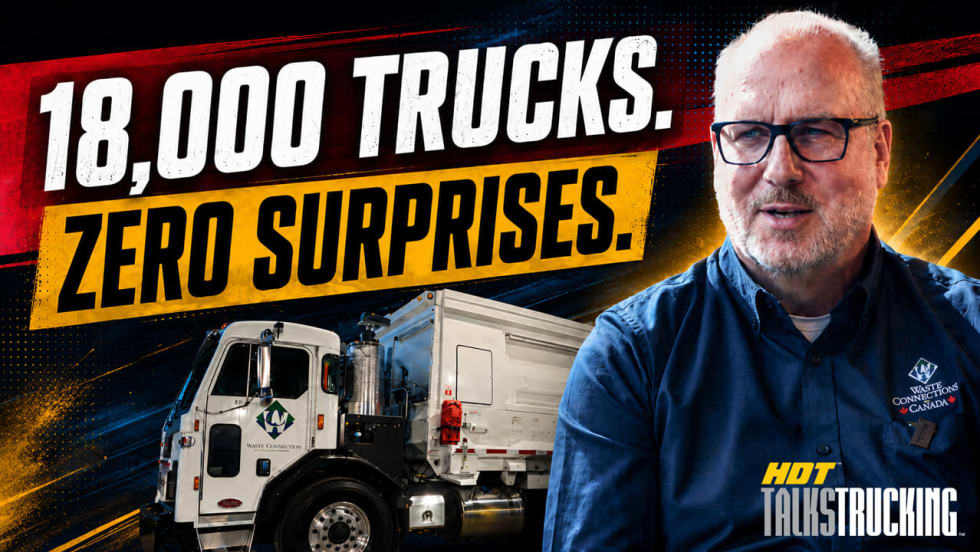
Why Fleet Data Matters More Than Ever at Waste Connections [Watch]
Waste Connections' Chuck Palmer explains how telematics, predictive maintenance, safety analytics, and AI help keep vehicles on the road and drivers safe in this episode of HDT Talks Trucking.
Read More →
How to Prevent Summer Truck Cooling System Failures
Summer heat puts heavy-duty truck cooling systems under intense strain. Learn how preventive maintenance and accurate repair information can help reduce downtime.
Read More →
Deadline Extended for HDT Truck Fleet Innovators Nominations
Heavy Duty Trucking has extended the deadline for nominations for its Truck Fleet Innovators awards. The deadline has been extended to May 22.
Read More →
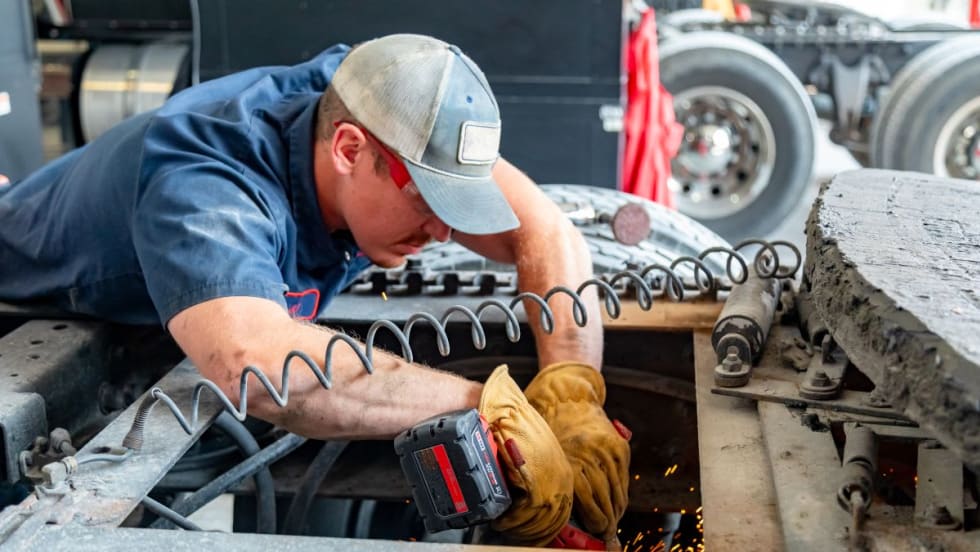
Why VMRS Is the Natural Link Between AI, Predictive Analytics, and Vehicle Repairs [Commentary]
Jon White was a leading figure in the development of VMRS. Now, after five decades of service, White says VMRS is becoming essential to the AI-driven future of truck maintenance.
Read More →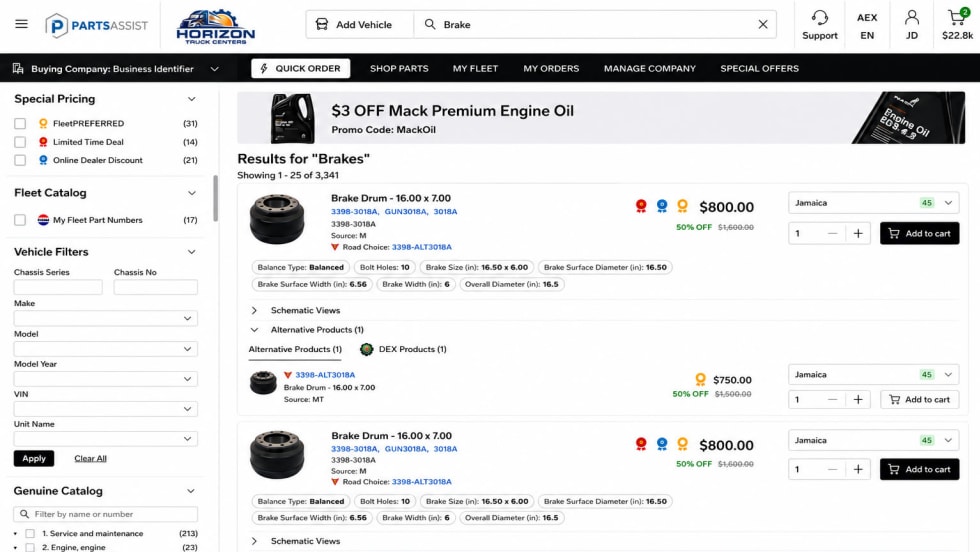
Mack Trucks Revamps PartsASIST Platform with Faster Performance, Improved Navigation
Mack Trucks has launched a redesigned version of its PartsASIST online ordering platform, adding faster search, real-time inventory visibility and enhanced order tracking.
Read More →
International Debuts ‘My International’ Connected Platform to Centralize Fleet Data, Service, and Dealer Communication
International’s New digital ecosystem unifies telematics, maintenance, and dealer interaction into a single interface, aiming to reduce downtime and deliver predictive fleet insights.
Read More →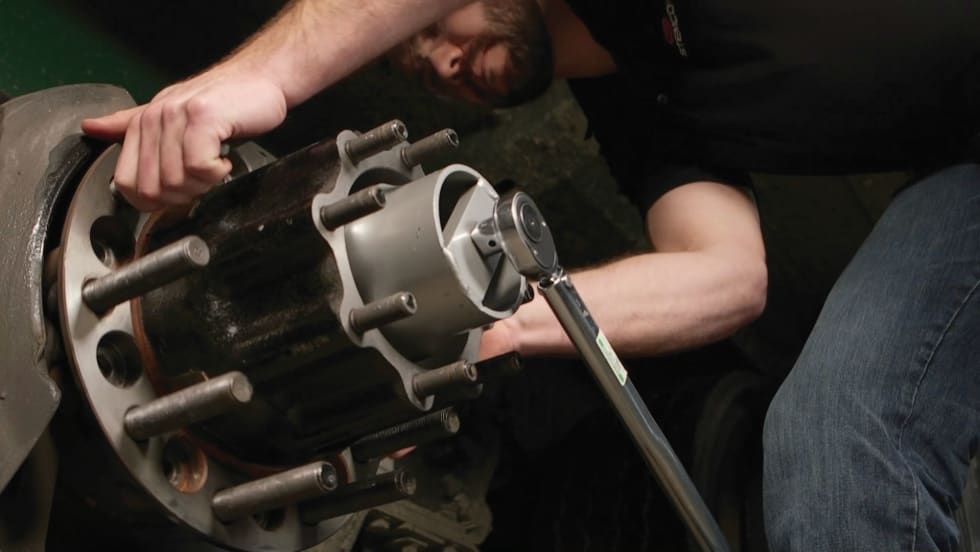
Saving Fuel at the Wheel End
Wheel ends are often overlooked in the quest for better fuel economy. But Joshua Kucera, product manager, Stemco, warns that neglecting wheel ends can reduce fuel economy and increase maintenance headaches.
Read More →
Beyond Predictive: Questar Adds AI-Driven Repair Recommendations to Fleet Maintenance
Questar’s latest maintenance platform uses AI to flag potential failures, recommend repairs, and estimate the cost of waiting, helping fleets prioritize maintenance and save money and downtime.
Read More →
API Formally Approves Next-Gen Engine Oil Category for 2027 Engines
Heavy-duty engine oil marketers can begin finalizing formulations and preparing product packaging to meet the new oil specifications ahead of the January 1 licensing date.
Read More →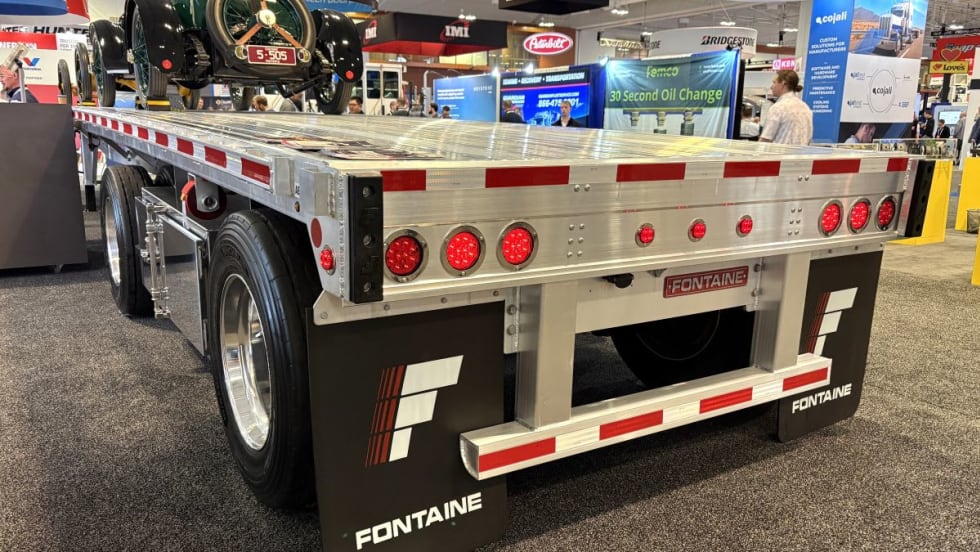
Fontaine Expands Flatbed Lineup with New Fleet-Focused Models, Eyes 2027 Launch
Fontaine is broadening its flatbed lineup with new models aimed at fleets, including a lightweight aluminum trailer expected in 2027 that emphasizes durability, repairability, and lower cost.
Read More →