




Truck Fuel Economy Regulation on the Horizon
Well-managed fleets focus on fuel efficiency the way a surgeon focuses on the tip of his scalpel. It is, after all, a life-and-death issu

Well-managed fleets focus on fuel efficiency the way a surgeon focuses on the tip of his scalpel. It is, after all, a life-and-death issue
: Small gains in miles per gallon or fractional reductions in cost per gallon can make the difference between profit and loss, and are typically gained only through painstaking effort.
So far the challenge has been a private management issue, albeit much discussed among fleets looking for better ways of doing business. But over the course of the next several years it is going to take on a new dimension, as the government works its way toward setting fuel economy standards for medium- and heavy-duty trucks.
The path to fuel economy regs
There are two parallel efforts under way. One is a research program by the National Academy of Sciences. The other is a rulemaking scheduled to begin next year by the National Highway Traffic Safety Administration.
The cap-and-trade bill passed by the House late in June adds another wrinkle. It would give the Environmental Protection Agency the authority to set greenhouse gas emission standards for new heavy-duty trucks and engines, starting by the end of next year. Should this measure pass, it would in effect take fuel economy regulation away from NHTSA and give it to EPA, says Glenn Kedzie, vice president and environmental counsel for the American Trucking Associations.
"Greenhouse gas regulation and fuel efficiency regulation are heading down two roads but will end up at the same point," he says.
Both the National Academy of Sciences study and the NHTSA rulemaking were ordered up by Congress in the 2007 Energy Independence and Security Act. The original suggestion in an early draft of the bill was to simply require a 4 percent annual fuel economy improvement starting in 2016. Effective industry lobbying set that idea aside in favor of a more considered approach based on an accurate understanding of how the trucking industry actually uses fuel.
The National Academy of Sciences study is attempting to do that.
"We recognize the complexity of this issue," said Andrew Brown, executive director and chief technologist of Delphi Corp. and chairman of the National Academy of Sciences' fuel economy committee.
Brown, speaking at a recent conference on truck efficiency sponsored by the University of Michigan Transportation Research Institute, explained that the committee has until next March to complete its assignment. The committee's findings and recommendations will be passed on to NHTSA for its rulemaking, but meanwhile the agency must undertake its own study as well. The NHTSA study is due next September, and the agency has until 2012 to complete a rule that will take effect in 2016 - depending, of course, on what Congress does in the cap-and-trade bill.
The committee has 19 members, some from academia, some from public interest organizations and several from industry, including Duke Drinkard, vice president of maintenance (retired) at Southeastern Freight Lines, David Merrion, executive vice president (retired) at Detroit Diesel, and Charles Salter, executive director of engine development (retired) at Mack Trucks/Volvo Powertrain.
How to measure economy
The committee is trying to figure out an appropriate way to measure fuel economy for trucks - not an easy assignment, Brown said. "It's very complex. It's not an integrated industry like you see on the light-duty side," he said. "Given the diversity of vehicles and applications, consideration of classification of vehicles will likely be required."
Brown said that miles per gallon may not be the appropriate measure for fuel use in all trucks. "You may have a long-haul truck where something like an mpg standard makes sense, but you may have a work truck where it doesn't make sense. It may still not make sense for a long-haul vehicle, but we need to understand all the complexities, which means understanding the range of duty cycles, the range of actual in-experience use, and the technologies such as aerodynamics and hybrids."
In addition, the committee is charged with assessing the technologies that can be used to improve fuel economy, as well as their costs and the practicality of integrating them into truck manufacturing.
Brown listed a daunting set of issues, beginning with the key question of who should be regulated - the engine or truck manufacturer, the body builder, the owner or user, or all of them.
The committee is looking at whether regulations should cover specific vehicles, or be based on corporate average fuel consumption. It also is studying ancillary fuel economy techniques, such as lifting truck size and weight restrictions and reducing traffic congestion. And it wants to understand the impact of fuel economy regulations on safety, cargo capacity, fleet turnover, equipment resale values and equipment performance.
Where we go from here
The full scope of fuel efficiency technologies is on the Academy committee's list: aerodynamics for tractors and trailers; tires and wheels; weight reduction; the transmission; accessory electrification; idle reduction and management; engine efficiency; waste heat recapture; and hybrids.
NHTSA will use the committee's findings, but at the same time is gearing up its own research effort, as required by the 2007 law, said Mary Versailles, senior policy advisor at the agency.
She indicated that the agency will focus on a set of issues similar to those being studied by the National Academy of Sciences' committee. It wants to know, for example, the baseline fuel efficiency of each category of commercial vehicle, and whether those categories might frame a regulatory approach.
Other questions: What is the right metric for fuel efficiency; which test cycle and type of test should be used to measure efficiency; whether efficiency requirements should be applied to vehicles or to components; and who, from engine builder to truck driver, should be responsible under the regulation.
From the August 2009 issue of Heavy Duty Trucking.
More Fuel Smarts
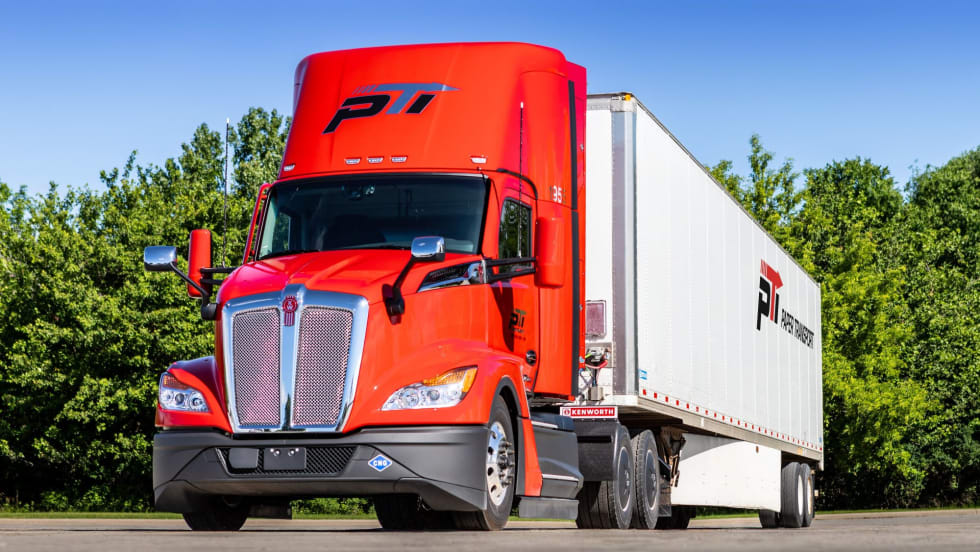
Lessons Learned About Alternative Fuels: Start Small, Stay Flexible
Practical advice on adopting alternative fuels and ZEVs from HDT's 2026 Top Green Fleets, from renewable diesel and natural gas to electric trucks.
Read More →
Kempower Adds Flex EV Charger to Help Support Transition to Megawatt Charging
The Kempower Mega Satellite Flex has both a CCS and MCS connector, allowing operators to serve both types of heavy-duty vehicles.
Read More →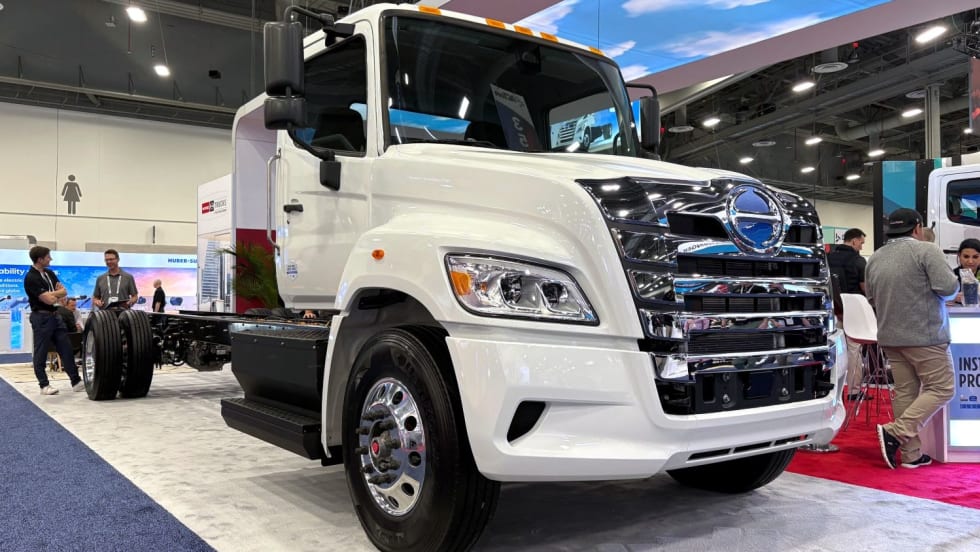
Hino Adds Electric Class 6/7 Truck
Hino says the Le Series is an important step in the company's efforts to reduce environmental impact and support its customers’ sustainability goals.
Read More →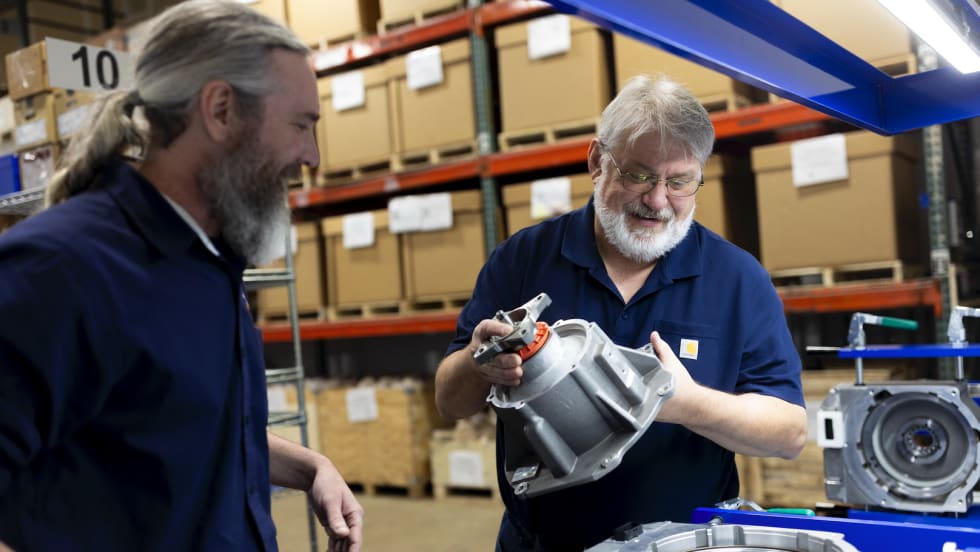
Can Multi-Speed EV Transmissions Solve Heavy Trucking’s Biggest Electric-Vehicle Problems?
A startup called Sigma Powertrain believes purpose-built multi-speed gearboxes can boost efficiency, reduce battery size and improve gradeability for heavy-duty battery-electric trucks.
Read More →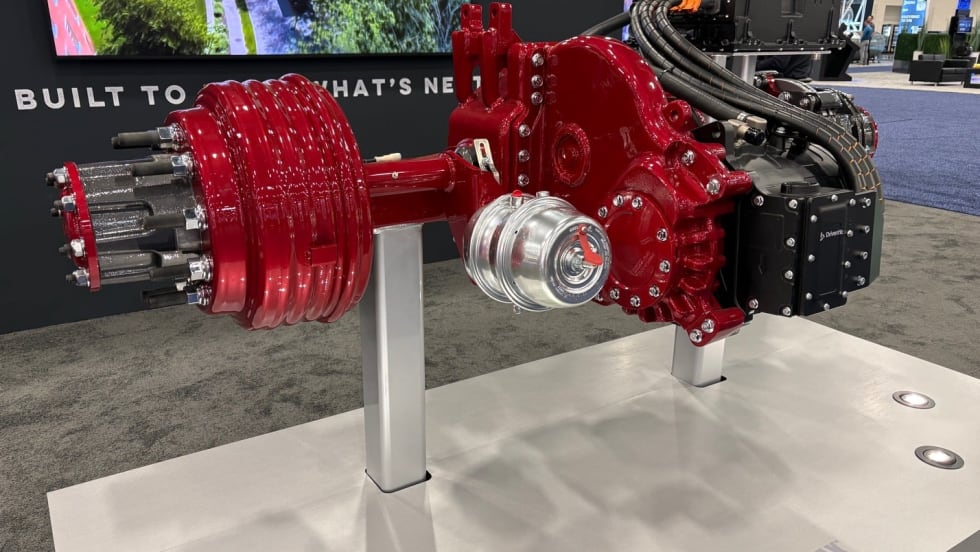
Hendrickson Debuts Electraax E-Axle for Medium-Duty Trucks
Developed with Driventic, Hendrickson's new integrated e-axle is designed to improve efficiency, reduce weight, and extend range in Class 6-7 EV applications.
Read More →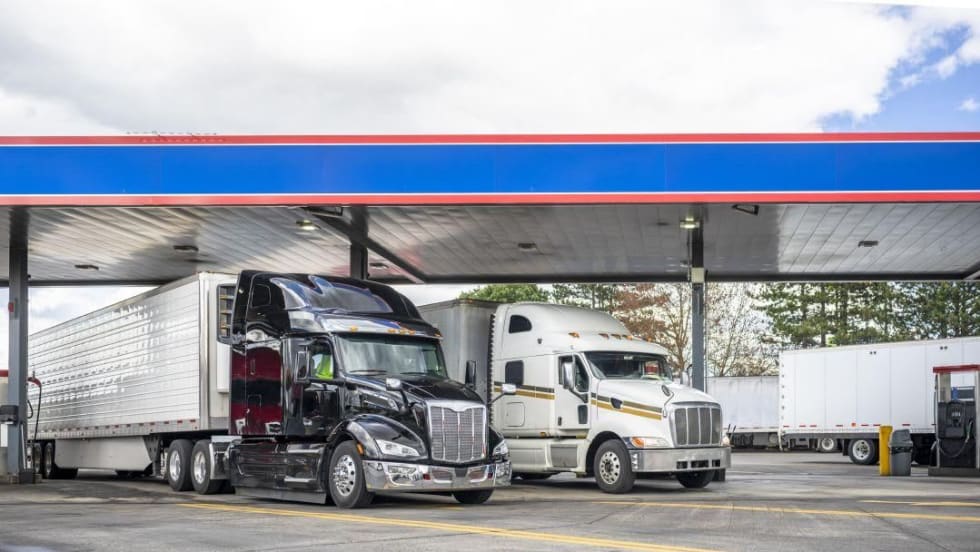
50 Ways Fleets Can Cut Fuel Costs Now — Without Buying New Trucks
Fuel savings don’t come from one big change. They come from dozens of small ones. Here’s how leading fleets are stacking gains across drivers, routing, maintenance, and more.
Read More →
Top Green Fleets 2026: How Fleets Are Reducing Emissions in the Real World
What works in sustainable trucking today? Heavy Duty Trucking's Top Green Fleets are finding practical ways to cut fuel use, reduce emissions, and keep freight moving.
Read More →
California Launching $1 Billion Electric Truck Rebate Program
CARB says the California Clean Fuel Reward program will begin offering point-of-sale rebates of up to $120,000 for electric commercial trucks starting June 26.
Read More →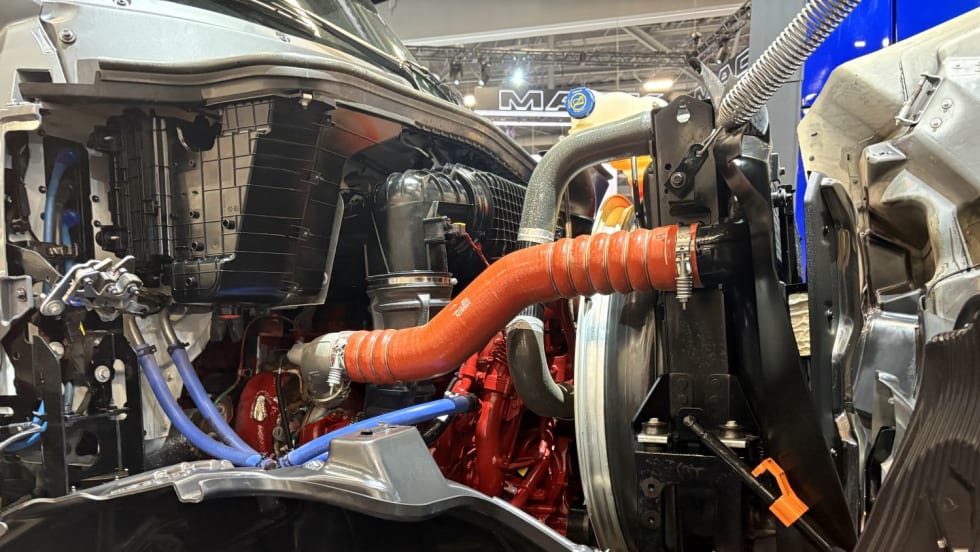
Mack Unveils EPA 2027-Compliant MP13 Engine With More Power, Better Fuel Economy
Along with unveiling its EPA 2027-compliant MP13 engine, Mack outlined powertrain changes across its Class 6-8 lineup, including new Cummins-based X10 engines.
Read More →
How Volvo’s New D13 Engine Meets EPA 2027 Emissions Without Sacrificing Power or Fuel Efficiency
Volvo says advances in combustion and aftertreatment helped its new EPA 2027 D13 engine avoid the fuel-economy penalties many once expected from tighter NOx emissions limits.
Read More →