




What Can Your Fleet Fuel Invoices Tell You About Saving Money on Fuel?
The Sokolis Group performs a lot of audits of fleet fuel invoices, reviewing hundreds of thousands of fuel transactions a month. Learn more about the common mistakes they see that could be costing you money.

The Sokolis Group performs a lot of audits of fleet fuel invoices, reviewing hundreds of thousands of fuel transactions a month. Hopefully, your company has some good processes in place for your fuel transactions. If you don't, here are some solid tips and examples of the errors that we see companies make that you can prevent.
Avoid Mistakes in Bulk Fuel Buying
A common problem is too many fuel suppliers' price quotes come in each day. Solution: cut down on your suppliers.
Another problem: The fuel price quotes go to someone who is too busy and may not even look at the quotes. Solution: Make sure your key person has time to review; fewer fuel vendors should help.
The person who gets the fuel price quote and places the fuel order should be the same person that gets the fuel invoice. Make sure the dots connect. If not, the person approving the fuel invoice is doing it in the dark.
Have two people review the fuel invoices for accuracy. We have seen many invoices that were signed off for payment that had the wrong gallons by more than 1,000 gallons and the wrong fuel price by more than $3 a gallon. There are a lot of numbers with fuel which can make it confusing.
Benchmark your fuel price to some industry index. If you don't, how will you know what you're paying for?
Make the Most of Truckstop Fuel Purchases
Use a fleet fuel card that is widely accepted at truckstops. We see many companies use a fleet fuel card for truck stop purchases that is usually issued for local use such as WEX (Wright Express), Voyager or American Express.
If you're using fleet fuel cards such as those mentioned above, you're paying a premium over the cash price. This credit fuel price is typically 7-12 cents a gallon more expensive than the cash fuel price. This is an expense that most companies don't even know that they are paying. (Try one of these fuel card companies: Comdata, FleetOne, 360FuelCard.com, T-Chek or EFS)
Quantity brings better prices. There are many companies that buy tens of thousands of gallons a month from many different fuel suppliers. This might not tie directly to fuel auditing but it will improve your fuel program. (Try to consolidate your fuel purchases to a limited number of fuel suppliers directing more volume to fewer suppliers. This will enable you to talk to your fuel suppliers and possibly negotiate better fuel prices)
Take these fuel management tips and improve your fuel program. Your bottom line will love you; your company will love you.
Glen Sokolis is president of Sokolis Group, a nationwide fuel management and fuel consulting company, www.FuelManagementSokolisGroup.com. You can reach him at gsokolis@sokolisgroup.com or (267) 482-6160.
More Fuel Smarts
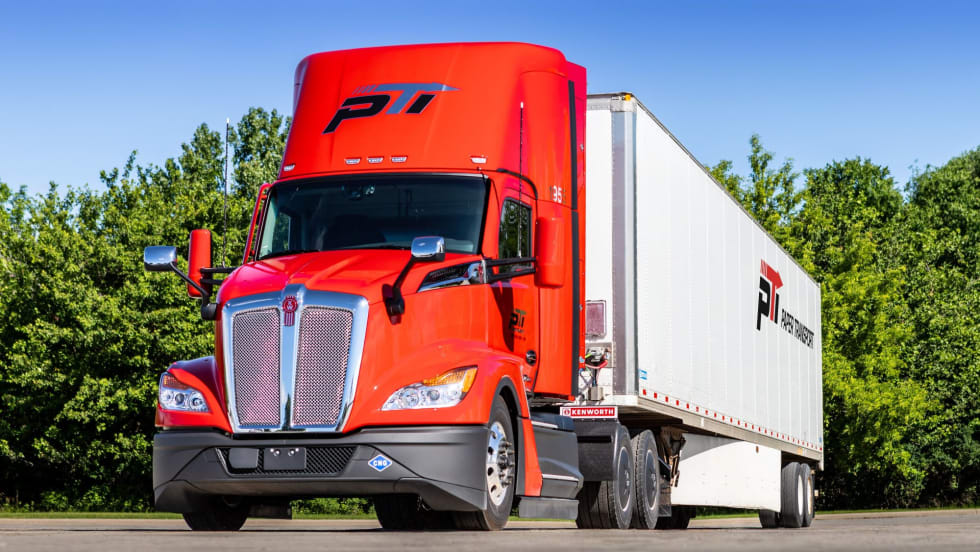
Lessons Learned About Alternative Fuels: Start Small, Stay Flexible
Practical advice on adopting alternative fuels and ZEVs from HDT's 2026 Top Green Fleets, from renewable diesel and natural gas to electric trucks.
Read More →
Kempower Adds Flex EV Charger to Help Support Transition to Megawatt Charging
The Kempower Mega Satellite Flex has both a CCS and MCS connector, allowing operators to serve both types of heavy-duty vehicles.
Read More →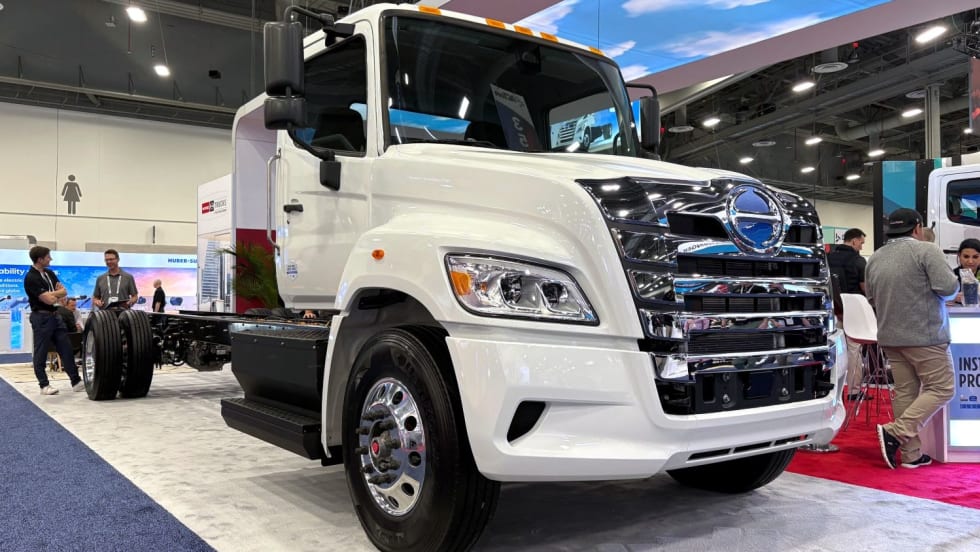
Hino Adds Electric Class 6/7 Truck
Hino says the Le Series is an important step in the company's efforts to reduce environmental impact and support its customers’ sustainability goals.
Read More →
Can Multi-Speed EV Transmissions Solve Heavy Trucking’s Biggest Electric-Vehicle Problems?
A startup called Sigma Powertrain believes purpose-built multi-speed gearboxes can boost efficiency, reduce battery size and improve gradeability for heavy-duty battery-electric trucks.
Read More →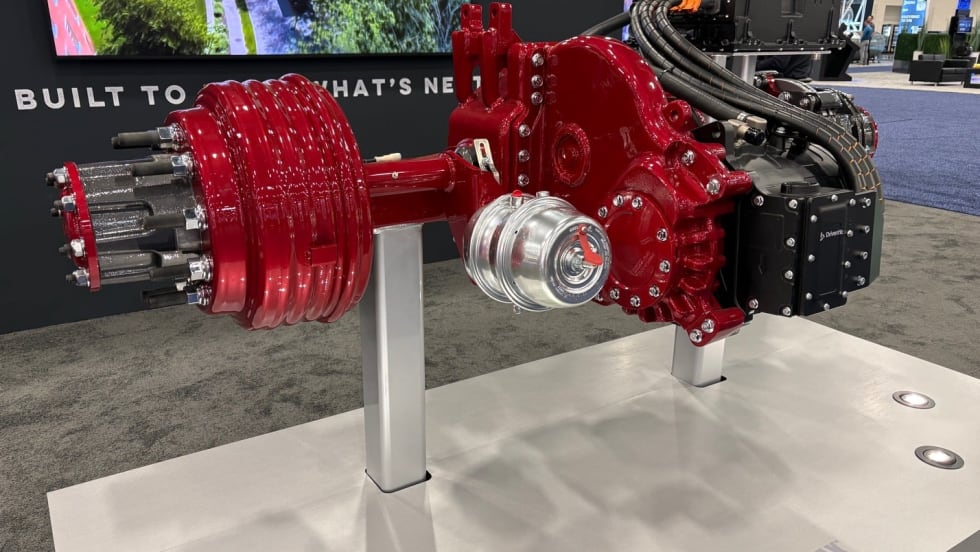
Hendrickson Debuts Electraax E-Axle for Medium-Duty Trucks
Developed with Driventic, Hendrickson's new integrated e-axle is designed to improve efficiency, reduce weight, and extend range in Class 6-7 EV applications.
Read More →
50 Ways Fleets Can Cut Fuel Costs Now — Without Buying New Trucks
Fuel savings don’t come from one big change. They come from dozens of small ones. Here’s how leading fleets are stacking gains across drivers, routing, maintenance, and more.
Read More →
Top Green Fleets 2026: How Fleets Are Reducing Emissions in the Real World
What works in sustainable trucking today? Heavy Duty Trucking's Top Green Fleets are finding practical ways to cut fuel use, reduce emissions, and keep freight moving.
Read More →
California Launching $1 Billion Electric Truck Rebate Program
CARB says the California Clean Fuel Reward program will begin offering point-of-sale rebates of up to $120,000 for electric commercial trucks starting June 26.
Read More →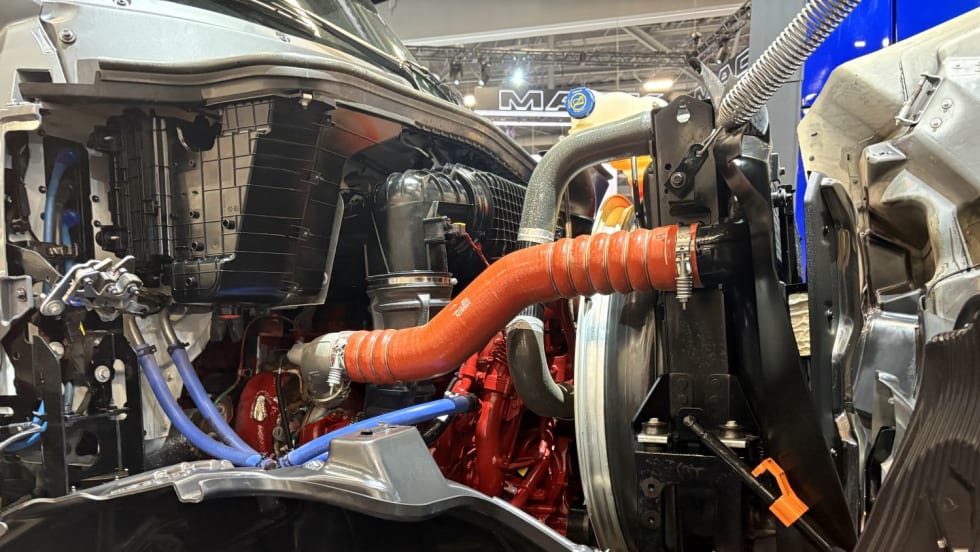
Mack Unveils EPA 2027-Compliant MP13 Engine With More Power, Better Fuel Economy
Along with unveiling its EPA 2027-compliant MP13 engine, Mack outlined powertrain changes across its Class 6-8 lineup, including new Cummins-based X10 engines.
Read More →
How Volvo’s New D13 Engine Meets EPA 2027 Emissions Without Sacrificing Power or Fuel Efficiency
Volvo says advances in combustion and aftertreatment helped its new EPA 2027 D13 engine avoid the fuel-economy penalties many once expected from tighter NOx emissions limits.
Read More →