




Trailer Economy Considerations: Research on side skirts and more
Canadian researchers and fleet managers have run another series of test runs on fuel economy improvement products, and some of the results have verified what was learned at an event the year before

Canadian researchers and fleet managers have run another series of test runs on fuel economy improvement products, and some of the results have verified what was learned at an event the year before.
Energotest 2008, held in September near Blainville, Que., concluded that certain aerodynamic devices for trailers save up to 7.5 percent in fuel when run at highway speeds and that wide-base single tires save even more.
The organization running the tests, the Ferec division of FP Innovations, evaluated 12 products suggested by fleet members of Project Innovation Transport (PIT), the official sponsor. As in the previous event, Energotest 2008 followed TMC-SAE Type II procedures, including weighing of fuel in special tanks and running trucks at exact speeds so proper comparisons could be made between trailers and trucks equipped with certain products and those without.
The 2007 results were publicized "to show what we could do," said Yves Provencher, Ferec's manager of business development (see June '08 HDT). But the latest results are not being released because the sponsors paid for the Energotest and consider the results proprietary and of some competitive advantage. Provencher spoke in generalities, however, and zeroed in on trailer skirts hung between the landing gear and trailer's wheels.
"It was noticed that all trailer skirts are not equal, and the way they are installed can have a major impact on their performance," he said. "It is thus necessary to choose the trailer skirts carefully and install them on the trailer in the optimal position."
The skirt should not be completely parallel to the van's sides but slightly angled or, if they are flexible, arranged in an 'S' so air is collected and directed past the wheels. Ideally, skirts should be tuned to complement the aerodynamics of the tractor. Three skirt manufacturers participating in this Energotest - Freightwing, Manac and Transtex Composite - are now aware of this and can work with customers to achieve the best mounting. necessary.
Other products tested included Aero Industries' Aerotail, a boat-tail device for the rear of van-type trailers that earlier this year gained an exemption from length restrictions from American authorities, and an AirFlow Deflecteur for trailer wheels made by a French-Canadian firm of the same name.
Low-rolling-resistance tires got up to 2.4 percent better economy than other tires, according to their manufacturer, Continental, which identified them as HDL Eco Plus standard-size drive tires.
Also run were three engine-mounted fuel-treatment devices; a fuel additive; a coating for manifolds and turbochargers; and an aftermarket low-restriction muffler. None of those were very effective, Provencher indicated. He also said that fuel-use data from engines' electronic controls are not reliable enough for fleets to calculate fuel savings or losses.
A series of runs compared different types of trailers, and while the percentages are confidential, Provencher said that vans present considerably less air drag and use less fuel than shipping containers, and that vans and curtain-sided trailers are not much different. He didn't say whether raising the liftable axles on empty B-trains actually saved fuel (though they certainly reduce tire wear), or whether logging trailers hauling tree-length wood presented less air drag than stacks of short logs (one would think the long logs would be smoother).
Also confidential are numbers on how 5 percent biodiesel compares to regular diesel fuel or what B5's other effects are (other testing says it's slightly less efficient and that it acts like a solvent, cleaning out tanks and fuel lines that can clog filters until they're changed a number of times).
Fleet sponsors also got figures on close running of vehicles, where the first rig forms an air tunnel for a second rig - "drafting," in race-car slang. There is a fuel saving, but "we were not at a safe distance" between vehicles, Provencher explained. "The idea was to see how much we could save if we followed very closely. We were on a track with all kinds of safety measures.
Knowing how much we can save is important because now we can turn around and talk to technology suppliers (collision avoidance systems, for instance) and tell them, 'If you can build a system that is completely safe and we can convince the government of this, you could sell it at XX$ because now fleets could calculate the ROI'" (return on investment).
"The first two Energotest campaigns aimed to test technologies at high and constant speeds," Provencher concluded. "For the next test campaign, a procedure for duty-cycle tests has been prepared, such as stop-and-go, which would be more appropriate for testing certain technologies, for example, hybrid propulsion systems and automatic and automated transmissions."
From the January 2009 issue of Heavy Duty Trucking.
More Fuel Smarts
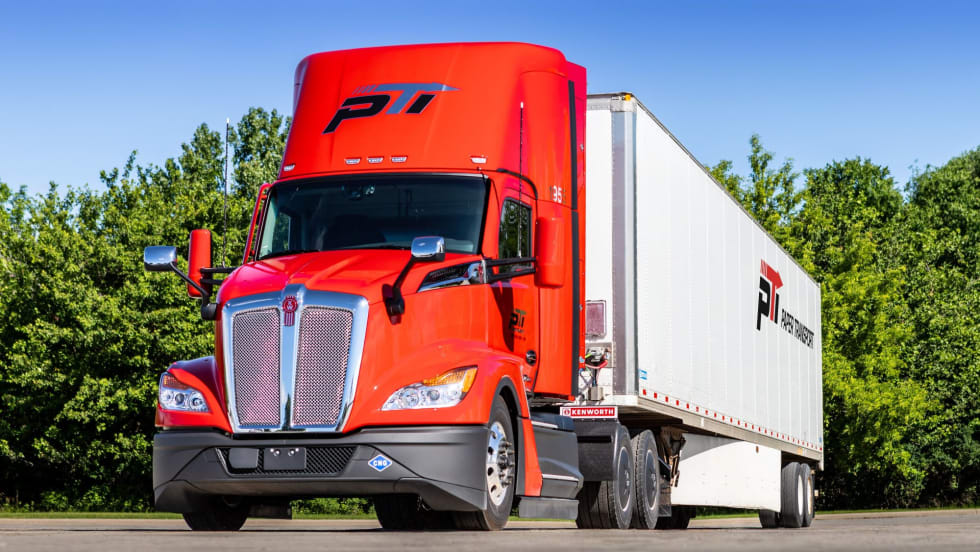
Lessons Learned About Alternative Fuels: Start Small, Stay Flexible
Practical advice on adopting alternative fuels and ZEVs from HDT's 2026 Top Green Fleets, from renewable diesel and natural gas to electric trucks.
Read More →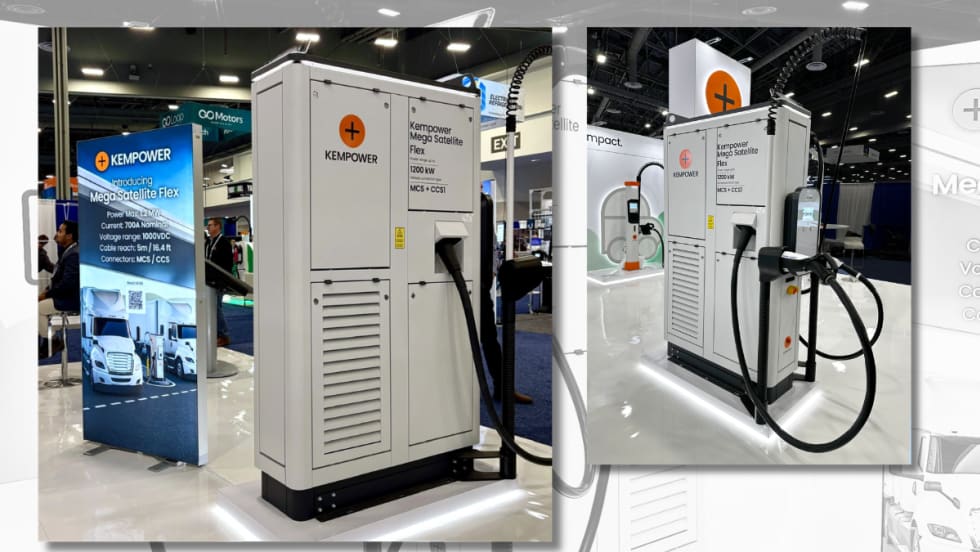
Kempower Adds Flex EV Charger to Help Support Transition to Megawatt Charging
The Kempower Mega Satellite Flex has both a CCS and MCS connector, allowing operators to serve both types of heavy-duty vehicles.
Read More →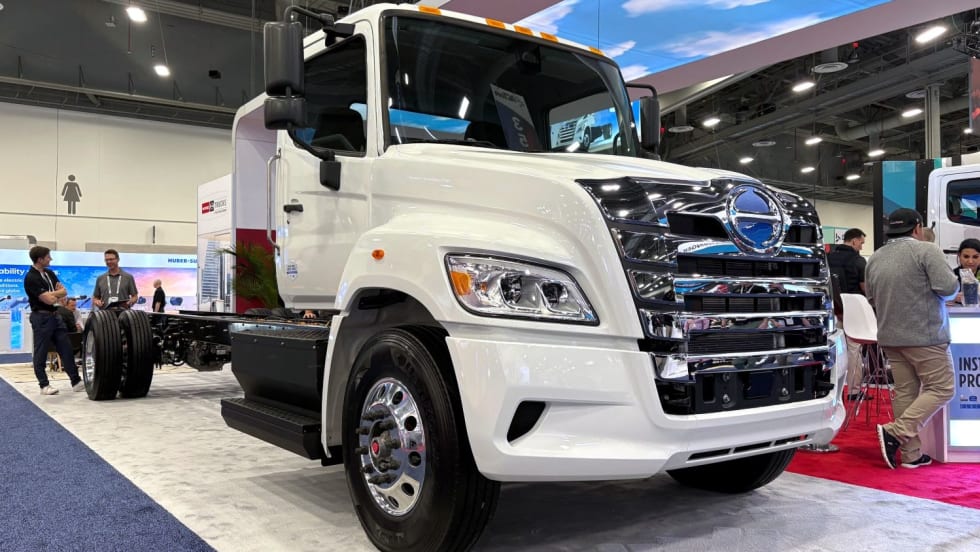
Hino Adds Electric Class 6/7 Truck
Hino says the Le Series is an important step in the company's efforts to reduce environmental impact and support its customers’ sustainability goals.
Read More →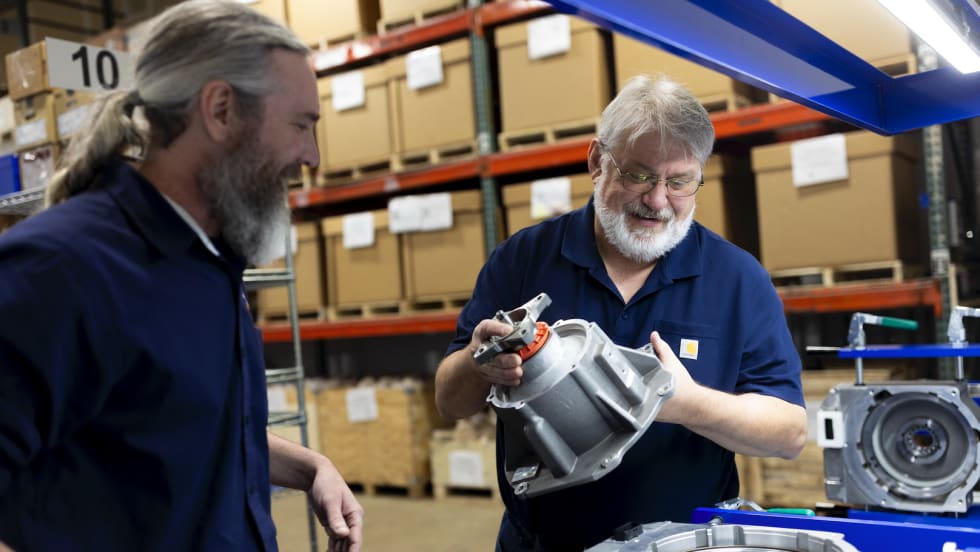
Can Multi-Speed EV Transmissions Solve Heavy Trucking’s Biggest Electric-Vehicle Problems?
A startup called Sigma Powertrain believes purpose-built multi-speed gearboxes can boost efficiency, reduce battery size and improve gradeability for heavy-duty battery-electric trucks.
Read More →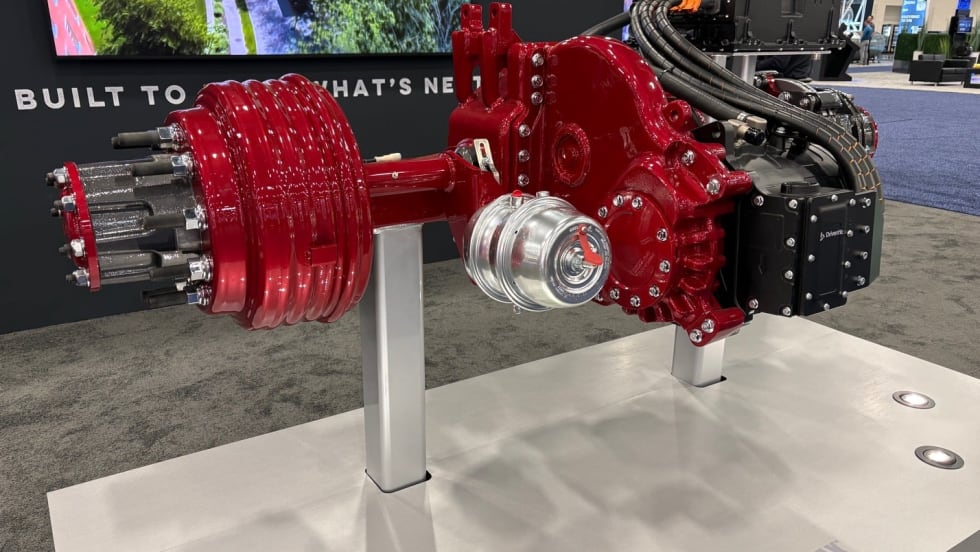
Hendrickson Debuts Electraax E-Axle for Medium-Duty Trucks
Developed with Driventic, Hendrickson's new integrated e-axle is designed to improve efficiency, reduce weight, and extend range in Class 6-7 EV applications.
Read More →
50 Ways Fleets Can Cut Fuel Costs Now — Without Buying New Trucks
Fuel savings don’t come from one big change. They come from dozens of small ones. Here’s how leading fleets are stacking gains across drivers, routing, maintenance, and more.
Read More →
Top Green Fleets 2026: How Fleets Are Reducing Emissions in the Real World
What works in sustainable trucking today? Heavy Duty Trucking's Top Green Fleets are finding practical ways to cut fuel use, reduce emissions, and keep freight moving.
Read More →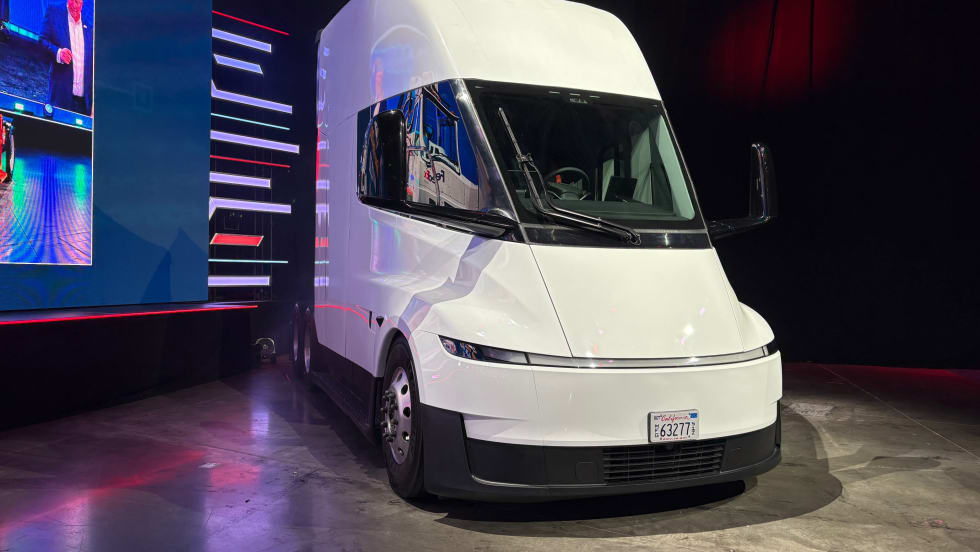
California Launching $1 Billion Electric Truck Rebate Program
CARB says the California Clean Fuel Reward program will begin offering point-of-sale rebates of up to $120,000 for electric commercial trucks starting June 26.
Read More →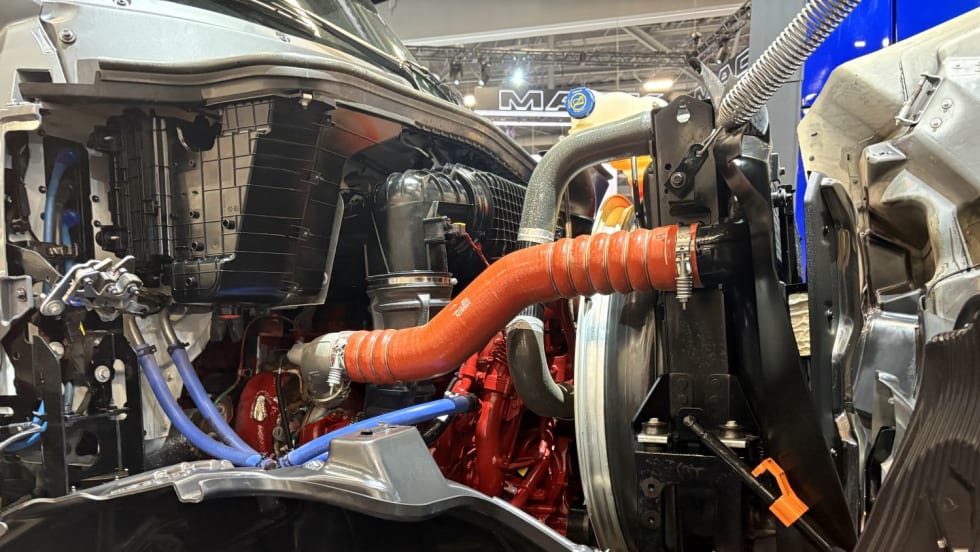
Mack Unveils EPA 2027-Compliant MP13 Engine With More Power, Better Fuel Economy
Along with unveiling its EPA 2027-compliant MP13 engine, Mack outlined powertrain changes across its Class 6-8 lineup, including new Cummins-based X10 engines.
Read More →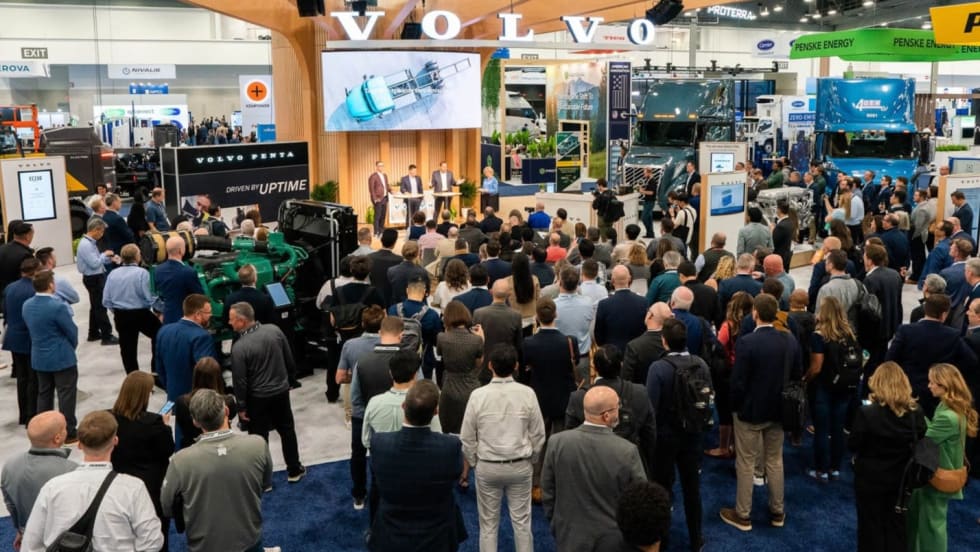
How Volvo’s New D13 Engine Meets EPA 2027 Emissions Without Sacrificing Power or Fuel Efficiency
Volvo says advances in combustion and aftertreatment helped its new EPA 2027 D13 engine avoid the fuel-economy penalties many once expected from tighter NOx emissions limits.
Read More →