




How to Stay Cool While Saving Fuel
Delphi offers useful tips to help drivers enhance fuel economy during A/C use The use of any commercial vehicle's air conditioning system increases the load on a vehicle's engine, which in turn consumes fue
Delphi offers useful tips to help drivers enhance fuel economy during A/C use
The use of any commercial vehicle's air conditioning system increases the load on a vehicle's engine, which in turn consumes fuel
. The National Renewable Energy Laboratories (NREL) estimates that traditional air conditioning systems account for approximately 5 percent of a vehicle's fuel usage each year in the U.S. and 3 percent in Europe and Japan. With a long history of developing thermal technology, Delphi continues to develop energy-efficient air conditioning systems that can cut those numbers in half. But for today's drivers, just properly using the air conditioning controls will help reduce fuel consumption.
Here are some tips to using a vehicle's air conditioning system more efficiently:
* Press the recirculation button to enable the recirculation of the passenger air back through the air conditioner. This button may be labeled as "MAX." Use of the recirculation feature will significantly reduce the energy used by the air conditioning system.
* For a manual system, it is most efficient to keep the temperature control in the full cold position and use the blower fan setting to adjust the amount of cooling. The temperature control should be used to adjust the air only after the blower is at the lowest setting.
* If the A/C is not as cold as it used to be, an air conditioning specialist can evaluate and repair the system. If there is a leak in the system, it should be repaired and recharged with refrigerant. It is also normal for the A/C system to lose small amounts of refrigerant by permeation through hoses over years of use. This may require a recharge of refrigerant.
* A vehicle's HVAC system may have an air filter that has caught debris and is reducing airflow. If this is the case, the filter needs to be changed. On newer vehicles, this air filter could be located behind the glove box or below the windshield wipers. It can be changed by the vehicle's owner or by service personnel. A service interval should be in the vehicle's owner's manual.
Besides optimizing a vehicle's air conditioning system, drivers can also park in a shady spot, use a reflective sun shade or leave the window partially open during sunny days.
"These simple steps allow the [vehicle] air and seats to be cooler which helps the air conditioning provide cooling comfort faster and save fuel at the same time," said James Bertrand, president Delphi Thermal Systems, Delphi Corp.
With a long history of producing automotive thermal systems, Delphi has developed energy-efficient technologies that are smaller, lighter and help reduce the impact on the environment.
From an August 2009 White Paper by Delphi Corp.
More Fuel Smarts
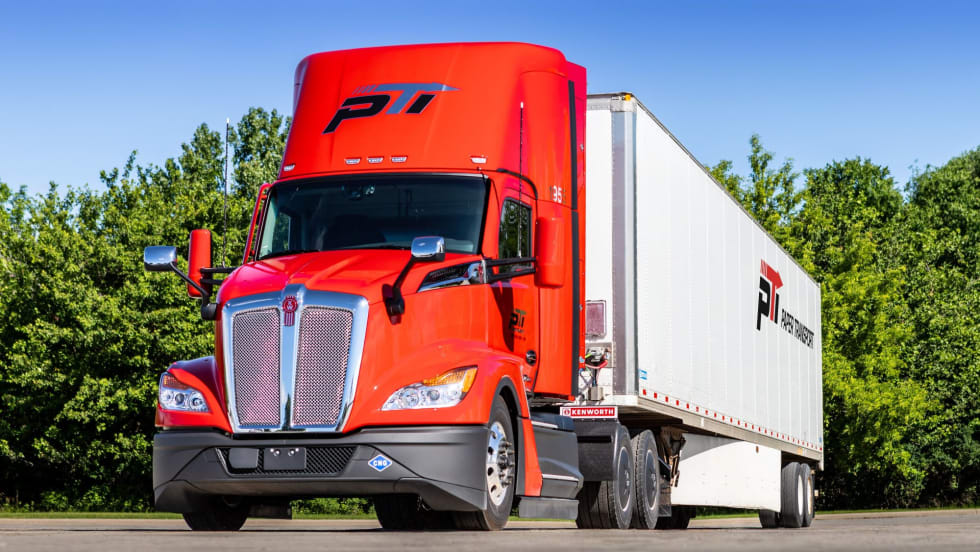
Lessons Learned About Alternative Fuels: Start Small, Stay Flexible
Practical advice on adopting alternative fuels and ZEVs from HDT's 2026 Top Green Fleets, from renewable diesel and natural gas to electric trucks.
Read More →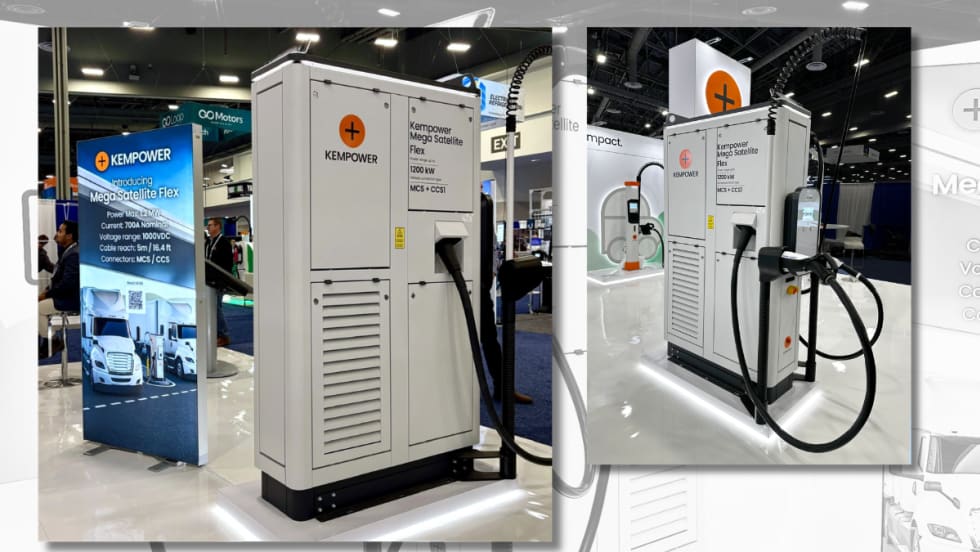
Kempower Adds Flex EV Charger to Help Support Transition to Megawatt Charging
The Kempower Mega Satellite Flex has both a CCS and MCS connector, allowing operators to serve both types of heavy-duty vehicles.
Read More →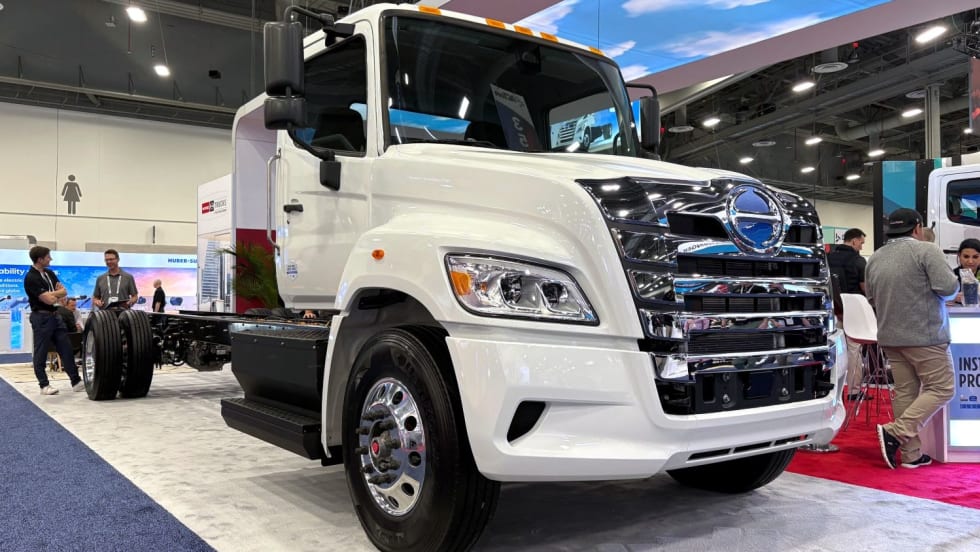
Hino Adds Electric Class 6/7 Truck
Hino says the Le Series is an important step in the company's efforts to reduce environmental impact and support its customers’ sustainability goals.
Read More →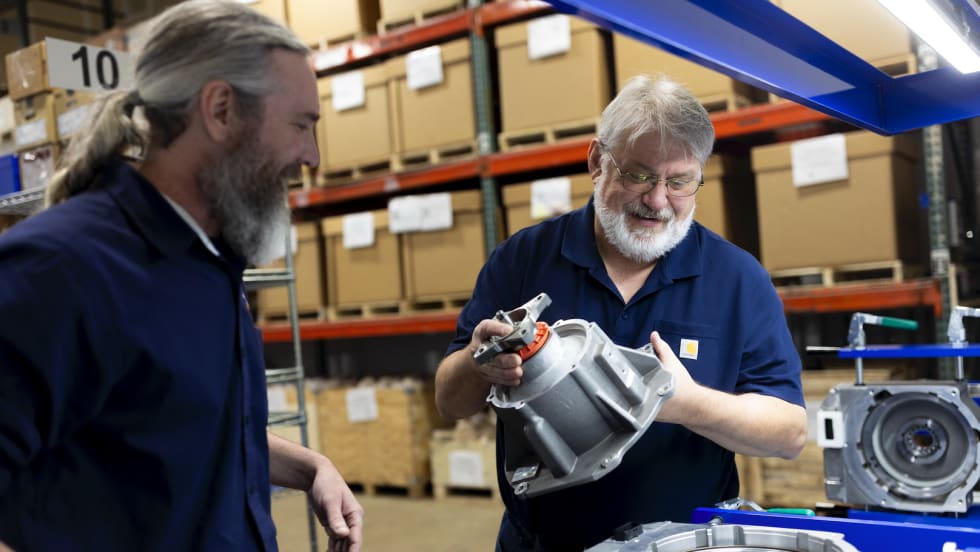
Can Multi-Speed EV Transmissions Solve Heavy Trucking’s Biggest Electric-Vehicle Problems?
A startup called Sigma Powertrain believes purpose-built multi-speed gearboxes can boost efficiency, reduce battery size and improve gradeability for heavy-duty battery-electric trucks.
Read More →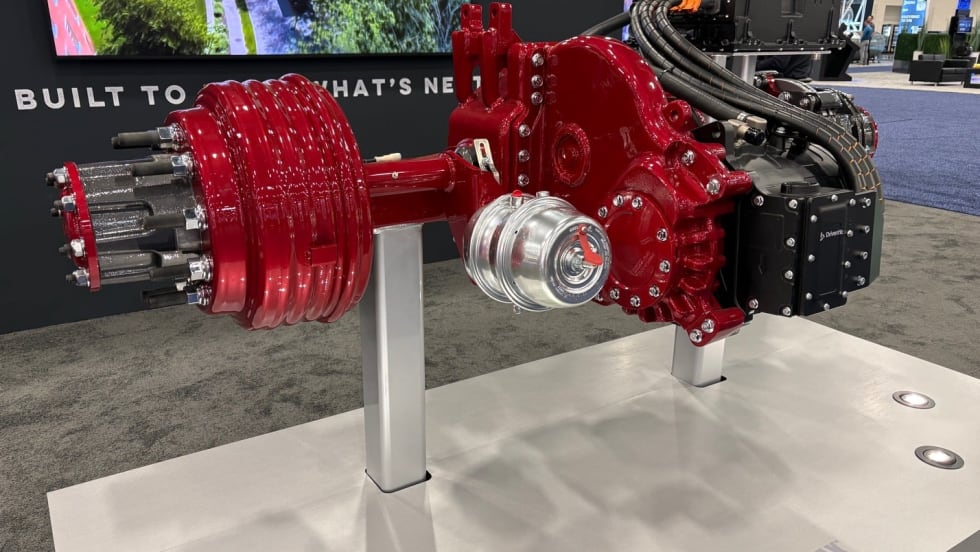
Hendrickson Debuts Electraax E-Axle for Medium-Duty Trucks
Developed with Driventic, Hendrickson's new integrated e-axle is designed to improve efficiency, reduce weight, and extend range in Class 6-7 EV applications.
Read More →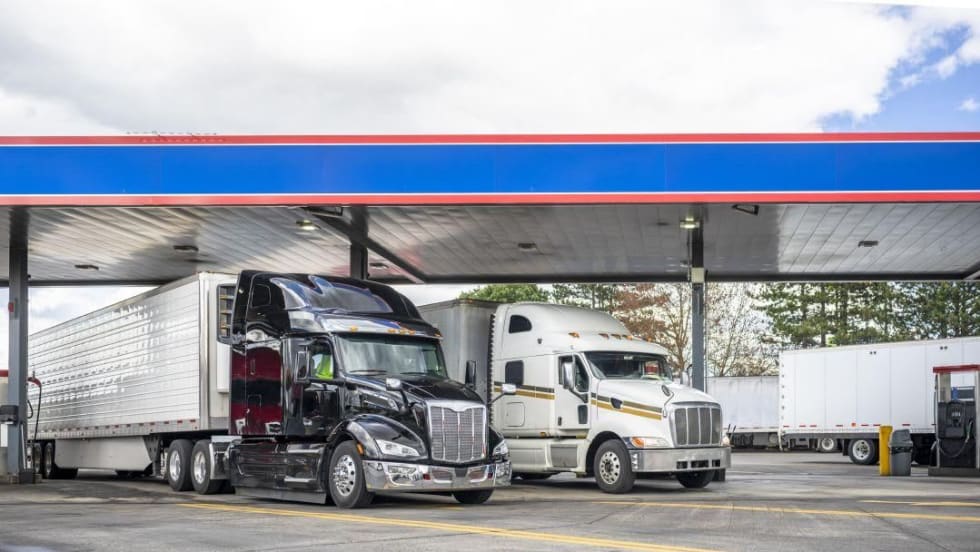
50 Ways Fleets Can Cut Fuel Costs Now — Without Buying New Trucks
Fuel savings don’t come from one big change. They come from dozens of small ones. Here’s how leading fleets are stacking gains across drivers, routing, maintenance, and more.
Read More →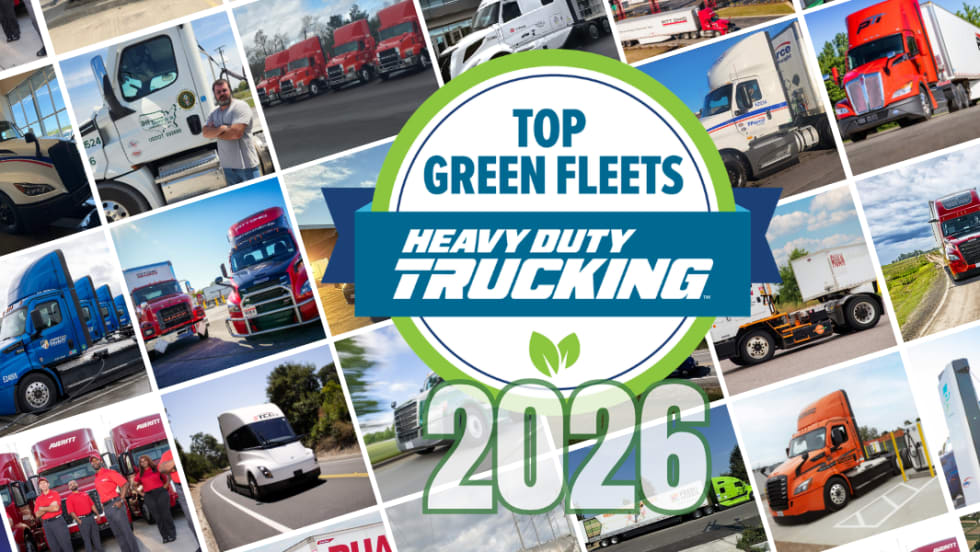
Top Green Fleets 2026: How Fleets Are Reducing Emissions in the Real World
What works in sustainable trucking today? Heavy Duty Trucking's Top Green Fleets are finding practical ways to cut fuel use, reduce emissions, and keep freight moving.
Read More →
California Launching $1 Billion Electric Truck Rebate Program
CARB says the California Clean Fuel Reward program will begin offering point-of-sale rebates of up to $120,000 for electric commercial trucks starting June 26.
Read More →
Mack Unveils EPA 2027-Compliant MP13 Engine With More Power, Better Fuel Economy
Along with unveiling its EPA 2027-compliant MP13 engine, Mack outlined powertrain changes across its Class 6-8 lineup, including new Cummins-based X10 engines.
Read More →
How Volvo’s New D13 Engine Meets EPA 2027 Emissions Without Sacrificing Power or Fuel Efficiency
Volvo says advances in combustion and aftertreatment helped its new EPA 2027 D13 engine avoid the fuel-economy penalties many once expected from tighter NOx emissions limits.
Read More →