




Four Tips To Help Prevent Potentially Deadly Wheel-Off Accidents
What do a pregnant woman from Maryland, a 48-year-old man from Ontario, and a driver in Seattle have in common? They are all victims of truck wheel-off
What do a pregnant woman from Maryland, a 48-year-old man from Ontario, and a driver in Seattle have in common? They are all victims of truck wheel-offs
-- a truck wheel flew off on the highway and struck their vehicles. Both the Ontario man and the Seattle driver were lucky; they survived. But the woman from Maryland was killed. The Tire Industry Association, a recognized authority on commercial tires and tire service training, reminds all commercial vehicle operators that improper installation procedures can lead to very tragic results similar to these.
Thus, TIA offers the following four tips that every commercial vehicle operator should keep in mind:
1. Proper torque in and of itself is not a guarantee that the wheel is secure on the hub or drum - the key is clamping force. Tire technicians must be trained to ensure that the wheel and hub are properly cleaned and that the wheel and fasteners are inspected before it is installed. Even with the correct torque, foreign material on the mating surfaces and worn threads will still cause a wheel to become loose.
2. Use the proper wheel fastener lubricants (30-weight oil on the stud and flange nut for hub-piloted wheels and dry for stud-pilot).
3. DO NOT use anti-seize compounds on stud-piloted wheels. This use has never been approved by wheel, hub or fastener manufacturers.
4. Wheel fastener torque should always be checked after the first 50 to 100 miles.
"There are plenty of myths and outright falsehoods floating around repair shops - such as using anti-seize compounds as wheel lubricants - which only help to perpetuate the phenomenon of wheel-offs," said Kevin Rohlwing, TIA senior vice president of training. "It's important that tire technicians receive the proper training to look at all aspects of clamping force - not just proper wheel torque - in order to ensure a wheel does not come off and create the potential for serious injury, or even death out on the roads."
TIA offers extensive training and commercial tire technician certification courses that include training on proper clamping force. For more information, visit the "Training" section of www.tireindustry.org.
From an August 2009 TIA White Paper.
More Maintenance

What Three Fleets Are Doing Differently When Buying Truck Parts in 2026
With freight improving but costs still climbing, fleet maintenance executives explain how they're balancing price, quality, and supplier relationships.
Read More →
Paccar Recalls 2027 Trucks Built This Summer for Possible Electrical Problem
The nearly 6,000 Kenworth and Peterbilt trucks in the recall could potentially lose engine power, among other things.
Read More →
Will API PC-12 Oil Change Trucking Fleet Maintenance?
The new API PC-12 heavy-duty engine oil category reflects the changing demands of modern diesel engines. But fleets like Foodliner are looking to getting their own data before making decisions on adopting the new oils and questions such as extending oil drain intervals.
Read More →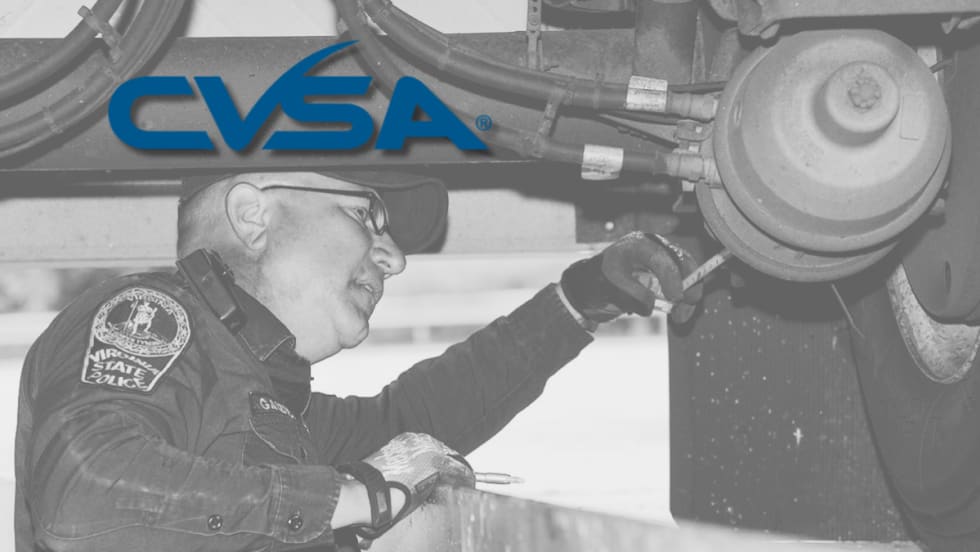
Brake Safety Week to Focus on Drums and Rotors
Commercial vehicle inspectors will be focusing on brakes during CVSA's Brake Safety Week, August 23-29.
Read More →
Possible Battery-Cable Fires Prompt Recall of 15,000+ International MV and HV Trucks
On the recalled vehicles, manufacturing variations can cause the battery interconnect cable to contact the auxiliary stud and hold down the bracket.
Read More →
Rush, MCT Team Up to Grow Refrigeration Service Network
The joint venture will operate MCT's network of Carrier Transicold dealerships and mobile service locations, with the companies promising greater service capacity and uptime for refrigerated fleets.
Read More →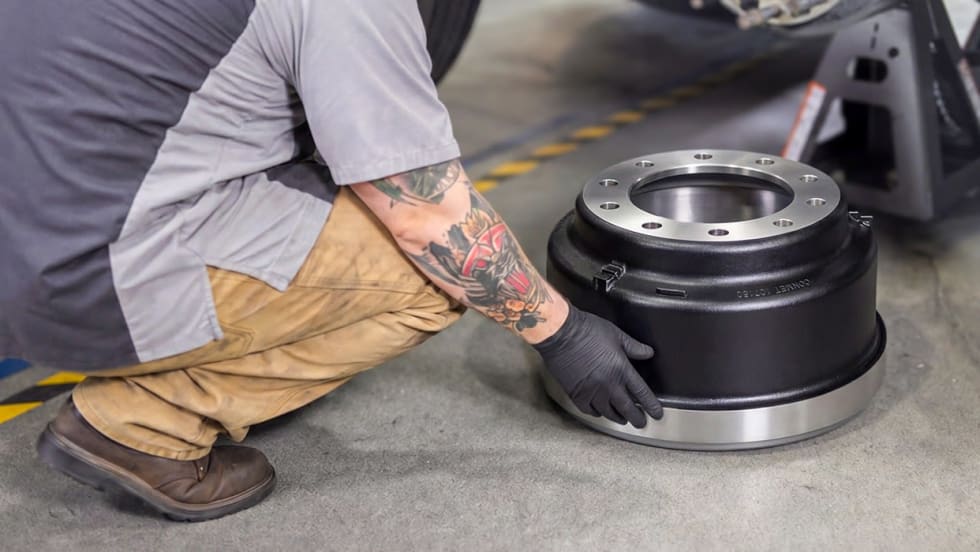
ConMet Expands Aftermarket Brake Drum Lineup With TruCast
A new heavy-duty truck brake drum option in the aftermarket gives customers more flexibility within the ConMet product family.
Read More →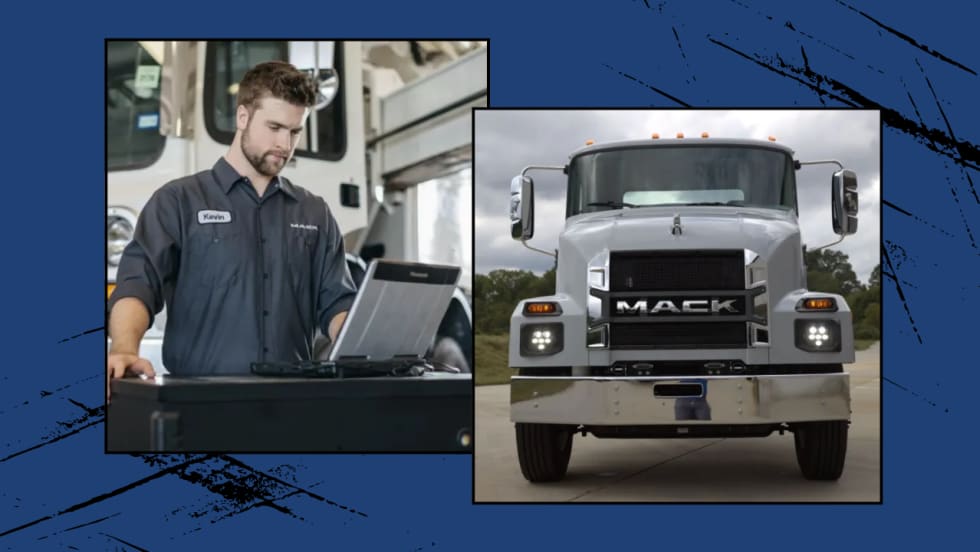
Mack Expands Premium Service Contract Coverage to Medium-Duty MD
With a service contract, inspections, preventive maintenance and repairs can be handled in a single visit instead of multiple ones.
Read More →
Maintenance in the Messy Middle Part 5: Battery-Electric Trucks
No oil changes. No diesel exhaust fluid. No exhaust aftertreatment. But NACFE battery-electric trucks still require specialized maintenance procedures.
Read More →
Trucking Fleets Faced Record Operating Costs During Third Year of Freight Recession
ATRI's annual operational cost report shows carriers trimmed fleets, delayed equipment purchases, and ran older trucks as expenses continued to outpace freight rates.
Read More →