




The Driver is Key
Low driver turnover comes with hiring right and treating them right.
'You have to believe in the drivers, and we do." In a nutshell, that's the secret behind one of the lowest driver turnover rates in the industry, says Crete Carrier Corp. Chairman Duane Acklie. While many companies give that concept lip service, few can say they have a turnover percent in the low 30s.
Acklie can.
"I think it's a combination of many different things," says Acklie, a former transportation attorney who bought Crete from the previous owner in 1971. Today, Crete is one of the 20 largest trucking companies in the country, with 5,600 drivers and owner-operators who drive for the corporation's three trucking fleets: Crete Carrier, Shaffer Trucking or Hunt Transportation.
One factor in keeping those 5,600 drivers happy, of course, is pay, Acklie says. "We've always tried to be in the top pay bracket." Last fall, Crete announced it was going to pay its drivers and owner-operators based on Practical Route miles, rather than industry-standard Short Route miles. "That was one of the things we heard from our drivers. That was something that needed to be done, and so we did it," Acklie says. "Of course there's a cost to it, but we think the cost is well worth it. I think it helps with driver satisfaction, and helps [reduce] turnover."
Crete was one of the first trucking companies to offer a profit-sharing program for drivers, Acklie says. Each year, the company makes a profit-sharing contribution based on the company's profitability and the employee's years of service and annual compensation.
The fact that Crete keeps a rein on growth also contributes to the low turnover, he says. "Some companies grow in the double digits; we probably grow in the single digits. The more new drivers you have, the more turnover you have."
"I think really the most important thing is treating them right," Acklie says. Perhaps the most significant and unusual way Crete does this is by offering its drivers a choice of up to three loads. There may not always be three loads available, but when there are, drivers get to choose where they want to go. This gives drivers a sense of control that is often lacking in the job.
The three-load policy dates back to the days when Crete, like most pre-deregulation truckload companies, relied on owner-operators. To keep on the right side of laws regulating the use of independent contractors, Crete offered them a choice of loads. As the fleet changed over to company drivers, they kept the same system. "It takes a little bit more time to dispatch, but I think it's well worth it."
Another thing Crete does that addresses a big complaint of drivers is charging customers detention pay. The changes in hours of service regulations have made it even less practical to allow shippers to abuse drivers' time by making them wait hours and sometimes days to load and unload, but carriers have to be able to validate detention charges to make shippers change their practices.
Crete was one of the first carriers to build a detention team into its operations. The detention team keeps track of thousands of drivers and their hours, with help from Qualcomm satellite communications. The department keeps shippers in the loop and advises them hourly when they are misusing driver time. Shippers are far more motivated to load and unload freight in a timely manner when they know they are being charged for delays. Knowing drivers' location minute to minute helps carriers collect detention fees.
Hiring the right drivers in the first place is another way Crete keeps turnover low, Acklie says. "The driver we recruit is probably more senior than what some recruit," he says, estimating the average driver age in his companies to be in the late 40s. These drivers are more likely to have the qualities the company is looking for, including safety and stability.
Crete limits hiring drivers straight out of school, Acklie says. They do work with a limited number of schools certified by the Professional Truck Driver Institute, then give them another two months of training on the road with a driver trainer. The company works closely with Southeast Community College in Lincoln, Neb. Crete helped found a PTDI-certified training program there, which focuses on taking kids off the farm – who tend to already know how to drive a farm truck – and turning them into OTR drivers. In fact, Crete's driver of the year has come out of that school on several occasions, according to Acklie.
"Good drivers are hard to find, and the truck driver's life on the road – it takes a particular kind of person that likes to make a career out of truck driving."
But Acklie says truck driving is still a great career opportunity. "It's not something that's going to be outsourced, where you can go to China. It's always going to be here, and there's always going to be a need for safe, reliable motor carriers" – and the drivers they rely on.
More Fleet Management
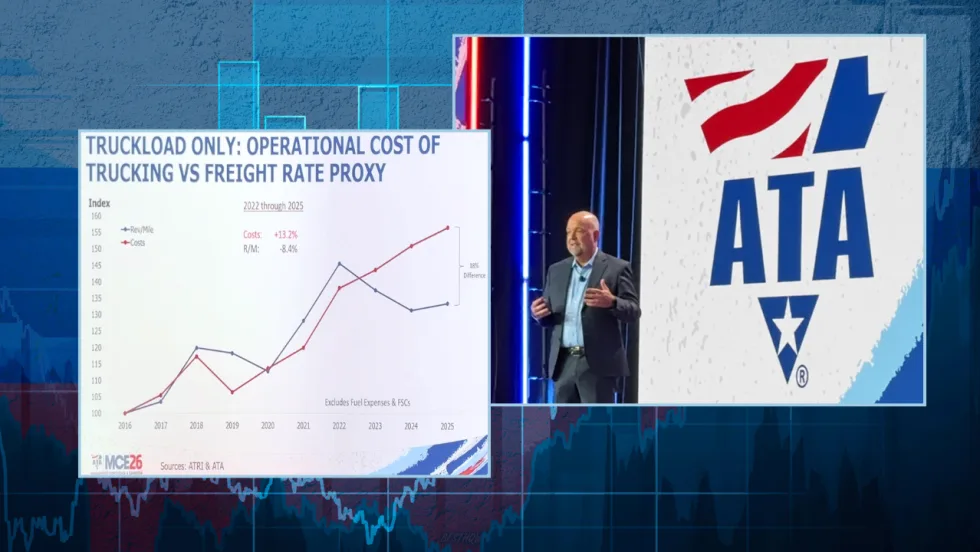
Why This Trucking Recovery Is Different
Freight demand remains sluggish, but rising costs and tougher enforcement have taken enough capacity out of the market to change the outlook for motor carriers.
Read More →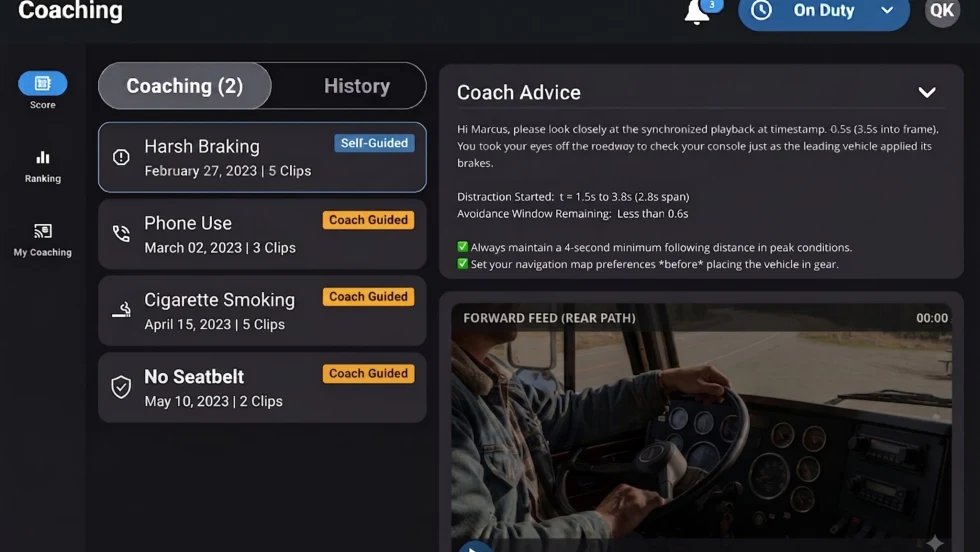
Platform Science Adds Dispatch and Safety Tools
Four additions to PS Fleet help fleets monitor loads, manage driver coaching, share truck locations and adjust video system settings.
Read More →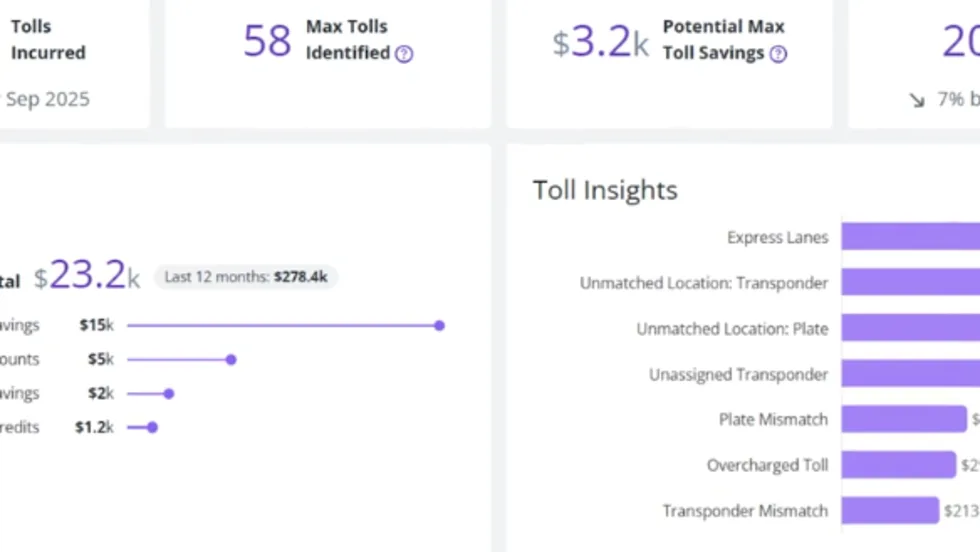
PrePass Intelligence Mines Fleet Bypass, Toll and Safety Data
PrePass Intelligence helps fleets measure bypass savings, flag potential toll overcharges, and spot suspicious transactions by combining data from separate systems.
Read More →
Motive Adds AI Agents for Fleet Operations
New tools automate follow-up on fleet data, from maintenance work orders to driver alerts, with two-way voice conversations planned for later this year.
Read More →
Can You Beat Our Trucking Trivia Challenge?
Test your truck knowledge with 19 trivia questions from Heavy Duty Trucking Exchange. Can you keep up with the fleet pros?
Read More →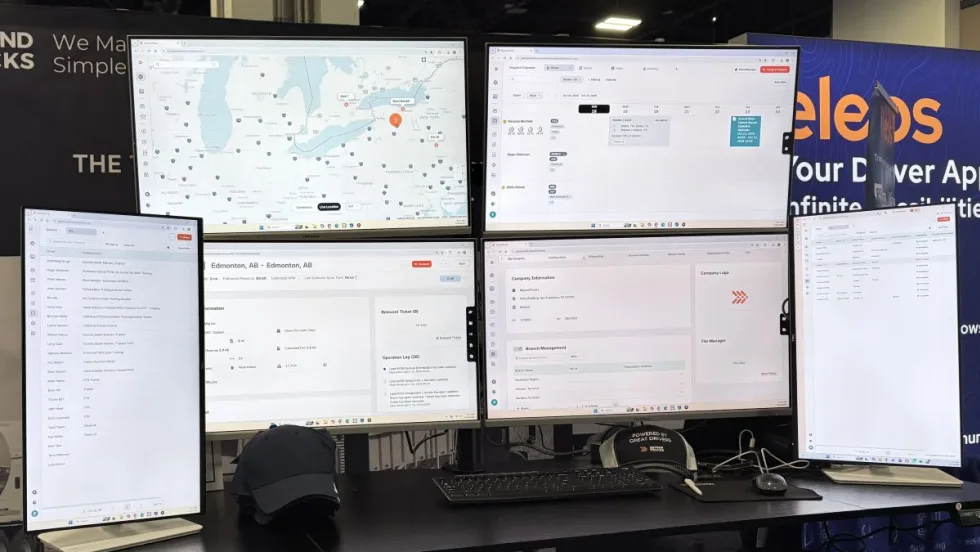
BeyondTrucks Adds Rules Checks to Dispatch
New Compatibility Engine checks driver qualifications, equipment requirements and fleet policies before loads are dispatched.
Read More →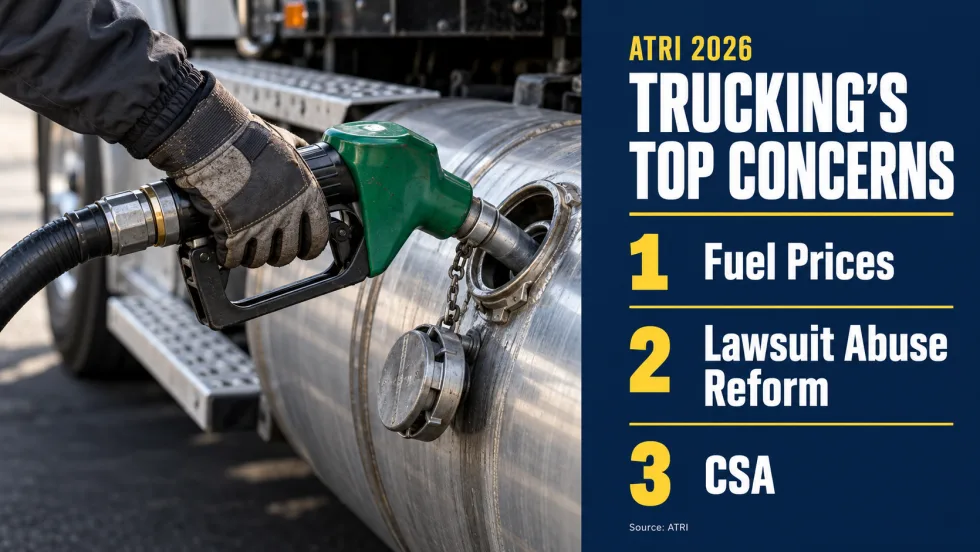
Diesel Prices Hijack Trucking’s Worry List
ATRI’s annual survey finds cautious optimism about freight, but diesel costs, litigation, and insurance continue to squeeze fleets. Drivers have different priorities on several issues.
Read More →
Nomination Deadline Extended for HDT Emerging Leaders
Just a few more days to nominate accomplished trucking fleet professionals under 40 who are making an impact and helping lead the industry forward for the HDT Emerging Leaders award. Deadline extended to October 20!
Read More →
What Will ATA’s New Leader Bring to Trucking's Table?
Incoming President and CEO Mark Colson’s record in Alabama offers clues about his priorities and approach following Chris Spear’s abrupt departure as the head of the American Trucking Associations.
Read More →
Volvo, Waabi Start Commercial Autonomous Operations in Texas
Volvo VNL Autonomous trucks, powered by the Waabi Driver, are hauling freight directly to third-party facilities for a customer in Texas.
Read More →