




How Fleets Can Implement Gamification into Safety Training
Gamification takes training and adds an element of competition in order to spark behavior changes. In the fleet amnagment world this means making safe driving into a competition, complete with prizes.
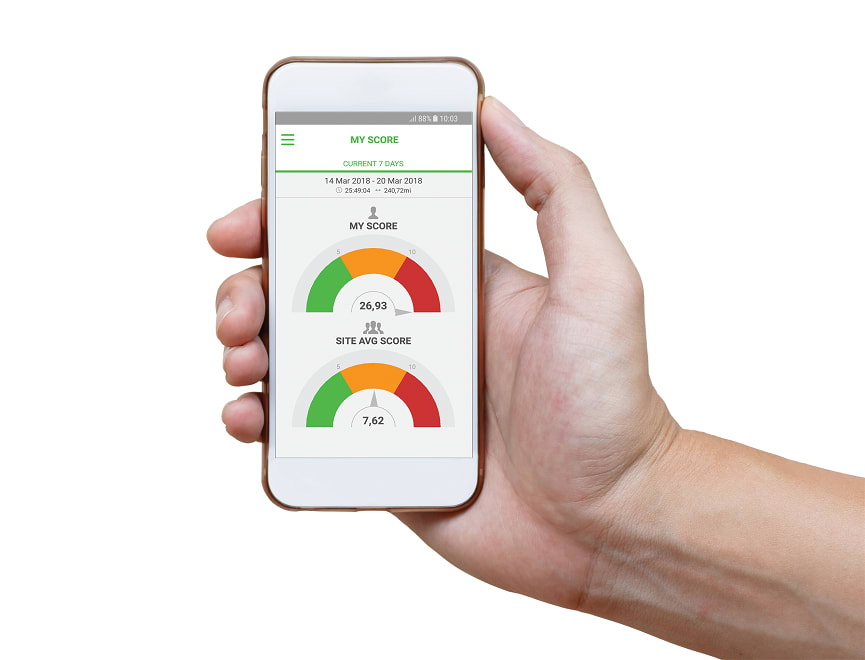
Gamification takes training and adds an element of competition in order to spark behavior changes. Photo: Mix Telematics
Gamification takes training and adds an element of competition in order to spark behavior changes.Photo: Mix Telematics
In training circles there is a lot of buzz about gamification. Gamification is taking something that isn’t typically a game – for instance, safe driving techniques – and adding an element of competition in order to incent a behavior change.
Typically, this is done within a peer group, so drivers are competing against each other, either individually or within a team. In the fleet management world, this means making safe driving into a competition, complete with prizes.
But how do you implement Gamification into your fleet’s training?
1. Determine your goal(s).
We suggest using the SMART method: goals that are Specific, Measurable, Achievable, Results-focused, and Time-bound. An example might be: decrease average idling time across the fleet to less than 10 per minutes per vehicle per day, within 90 days. Most fleet goals revolve around safe driving, fuel efficiency and Hours of Service (HOS), and specific factors that drivers have control over such as speeding, harsh accelerations and idling. While you can have more than one goal, if you’re just starting out we recommend implementing one at a time. And we recommend a time period of at least 90 days – enough to change bad behavior patterns.
2. Collect baseline data.
In order to measure improvements, first you need to collect baseline data. If your goal were to reduce idling, you’d collect data on idling in the fleet. We recommend at least 30 days’ of control data, without notifying drivers so the data presents a realistic picture of what’s currently going on.
3. Refine your goals, based on the control data.
Are they achievable in the timeline you’ve set? Make sure. Also consider that you may have to weight certain factors in your scoring. For idling for instance, you don’t want to penalize drivers who need to idle in extreme weather to stay safe.
4. Determine your incentives.
Will there be individual winners, or teams? Will there be one winner, or multiple winners? One category, or multiple categories (e.g., Most Improved)? The larger the group, the more winners and categories you might need to incent meaningful change – there has to be a reasonable chance of winning something. We’ve seen some fleets use raffle tickets towards one large prize, such as a trip. Others use company swag, cash or smaller prizes. When in doubt, remember cash is king. Consult with some of your drivers to make sure what you have in mind will be effective.
5. Put tools in place to share progress with drivers, and announce the campaign.
Some fleet management systems have this capability built in – pre-configured reports that can be posted to a breakroom or online showing each person or team’s progress against the goal, ranked. A few also offer driver apps specifically for sharing this data – so drivers can check their own scores and ranking. Driver awareness is the key to making gamification programs work. They need to know where they stand and what they need to do to improve. Fleet managers who provide tips and training throughout will achieve the most impact. This could be in a classroom-type setting at the yard, or via in-cab prompts such as an audible reminder from an ELD unit.
6. When the contest ends, share impact with drivers.
For instance, letting them know that their efforts at reducing idling reduced emissions by a certain percentage, or improved fuel economy by a certain percent. You could also share the cost savings, though this is most effective if the company is essentially giving back some of that money in the form of a major prize or pay raises.
Gamification can have a big impact on fleets. Some of the results we’ve seen in the US and elsewhere:
Improved service delivery, driver behavior and driver morale
Lower fuel consumption – we’ve seen 6-12% reductions
Lower accident rates – we’ve seen >50% reduction in accidents
Increased productivity and efficiency – some fleets are able to achieve a 10-20% reduction in fleet size as a result
Reduced maintenance costs and increased return on investment on your fleet management solution
If you’re ready to begin this advice should start you off on the right foot.
Pete Allen is the chief client officer for MiX Telematics, a global provider of fleet and mobile asset management solutions.This article was authored and edited according to the standards of HDT’s editors to provide useful information to our readers.
More Drivers
Trucker Path Expands Reserved Parking Network
Trucker Path has added close to 6,000 more truck parking spaces to its Trucker Path Reserved Parking Network with the addition of Safe Truck Parking.
Read More →
EEOC Sues Texas Trucking Company Over Driver Age Limits
The agency says Trancasa USA rejected applicants over 65 and applied tougher driving-record standards to those over 60.
Read More →
Nussbaum, Roehl Announce Second Driver Pay Increase This Year
This year has seen a swath of major truck driver pay increases as freight capacity has tightened.
Read More →
From One Generation to the Next: How Mentorship Builds Safer Truck Drivers
After three decades in trucking, Harold Perry shares what he's learned about driver safety, mentorship, and helping the next generation build confidence behind the wheel.
Read More →
Truck Drivers Need More Than Another Alert
Fleets have more visibility into truck health, safety events, and driver activity than ever. The next challenge is turning all that information into useful guidance for the person who has to decide what to do next.
Read More →
FMCSA Removes 110 Truck Driver Training Schools from Certified ELDT List
Federal regulators also are targeting more than 160 additional training providers and launching a nationwide audit of third-party CDL skills testers as part of a broader crackdown on trucking fraud.
Read More →
Hours of Service Pilot Programs: FMCSA Readies for 2027 Rollout
Two pilot programs could eventually reshape hours-of-service rules, giving truck drivers options to pause their 14-hour clock or use longer split sleeper rest periods.
Read More →
Medical Cards, English Proficiency Reshape Roadcheck Violations
Medical-card violations jumped to the top of the driver out-of-service list during CVSA’s 2026 International Roadcheck, while English-language proficiency violations appeared among the leading violations for the first time.
Read More →
Driver Trust Can Make or Break the Success of Fleet Safety Technology
New Teletrac Navman research suggests that onboarding, transparency about driver data, and positive feedback can play a significant role in how commercial drivers respond to safety and coaching technology.
Read More →
EEOC Sues KLLM Over Alleged Sex Discrimination in Driver Training
KLLM is facing a federal sex-discrimination lawsuit over policies the EEOC alleges put female truck driver trainees at a disadvantage.
Read More →