




Transportation Coalition Launches Partnership to Study Impact of Self-Driving Vehicles
Uber, ATA, Daimler, Toyota, and others have formed a new partnership to study the potential impacts of self-driving vehicles on American workers and the economy.

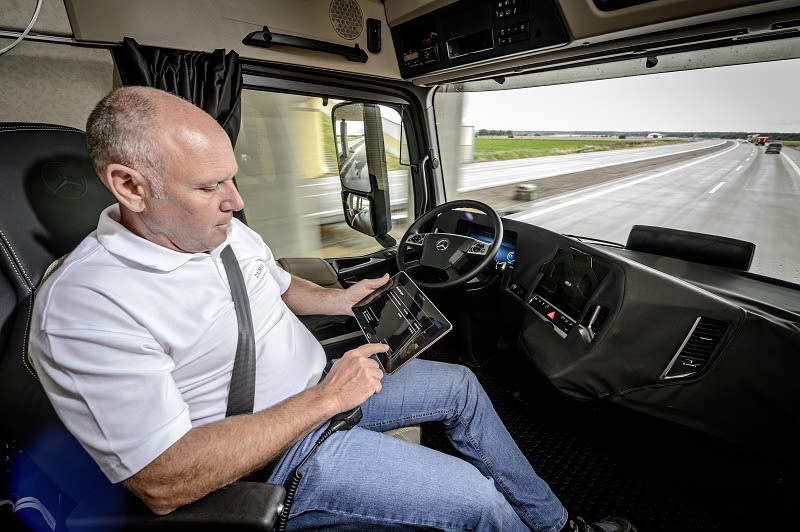
The Partnership for Transportation Innovation and Opportunity is a coalition of transportation companies looking to study the potential impacts self-driving vehicles could have on Americans.
Photo courtesy Daimler Trucks
A coalition of transportation-related companies and associations is looking to study the human impact of self-driving vehicle technologies through a new collaborative group called the Partnership for Transportation Innovation and Opportunity.
PTIO is aimed at exploring how autonomous vehicles could impact the American worker and also look for opportunities to address potential future challenges. PTIO members include the American Trucking Associations, Daimler, FedEx, Ford, Lyft, Toyota Motor North America, Uber, and Waymo.
While fully autonomous vehicle technology is still a ways off, it is already apparent how it could disrupt industries that currently rely on drivers and subsequently change employment in these areas.
Autonomous vehicles could also provide many benefits, according to the group, including safer roads, increased access to mobility, reduced traffic, improved air quality, and cost savings. PTIO said it intends to gather data and host real-life demonstrations to more develop a more complete picture of how the technology will be developed.
“As with any prior technological revolution, the transition from traditional to autonomous vehicles will not happen overnight,” said Maureen Westphal, PTIO executive director. “This evolution should allow adequate time for us to understand how autonomous vehicles may change the way we live and work and implement policies and programs to respond proactively to, and allow all Americans benefits from, those changes.”
PTIO’s announced goals for its first six months include:
Developing a well-rounded and data-based understanding of the impact of autonomous vehicles on the future of work
Soliciting the expertise, concerns, and aspirations of interested parties
Fostering awareness of existing and near-term career opportunities for workers during the transition to an autonomous-vehicle-enabled economy
“Those currently working in the transportation industry— both on the ground and behind the scenes—are in the best position to shed light on how this transformation may change our lives,” said Westphal. “Now is the time to engage stakeholders in an open dialogue about this evolving technology.”
Related: Uber Says Self-Driving Trucks Could Help Alleviate Driver Shortage
More Safety & Compliance

$604 Million Verdict Tests Broker Liability After Supreme Court Ruling
C.H. Robinson plans to appeal after a Texas jury found it bore the largest share of responsibility for a fatal 2021 crash, in a case that follows the Supreme Court's Montgomery decision allowing negligent hiring claims against freight brokers.
Read More →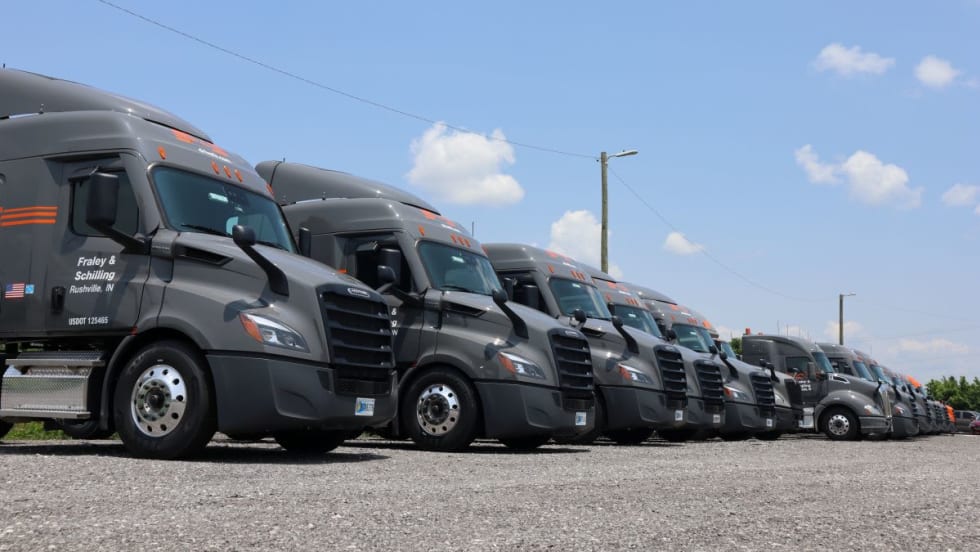
How Fraley & Schilling Improved Logbook Compliance by Over 50%
Fraley & Schilling needed a way to close a compliance workflow gap in its ELD system without adding more work from driver training, reminders, and back-office follow-ups. It found the answer in a custom driver app.
Read More →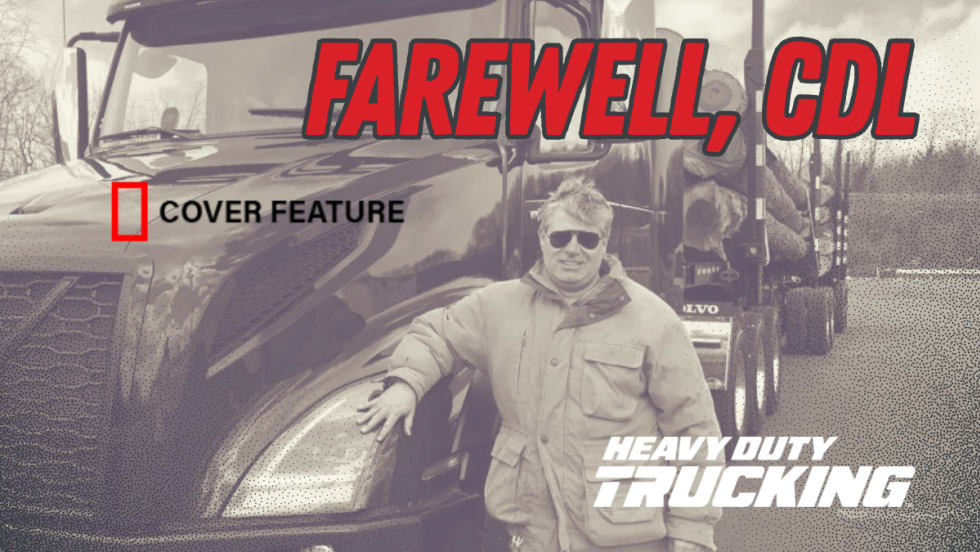
Farewell, CDL: Why I'm Giving Up My Commercial Driver's License
After more than 20 years as a CDL holder, HDT Executive Editor Jack Roberts is letting his commercial license expire. Not because he wants to — but because trucking's nuclear verdict crisis has made the risks of public-road test drives too great for editors, manufacturers, and everyone involved.
Read More →
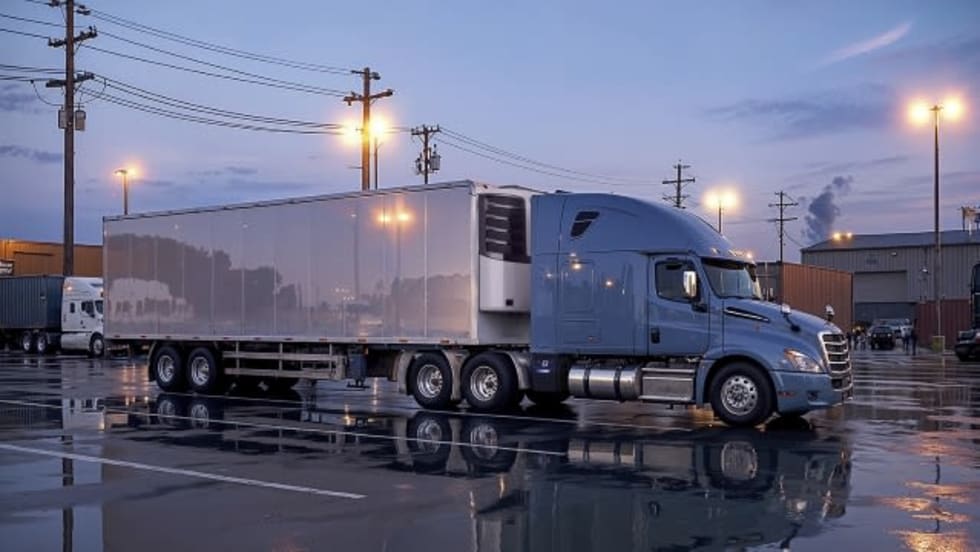
Enhance Fleet Performance with High-Efficiency Auxiliary Power Units
Drive sustainable cost savings while increasing driver comfort during short- and long-haul logistics operations.
Read More →
Wabash Trailers Recalled for Improperly Installed Underride Guards
More than 900 Wabash dry van trailers may not comply with the Federal Motor Vehicle Safety Standard for rear impact guards.
Read More →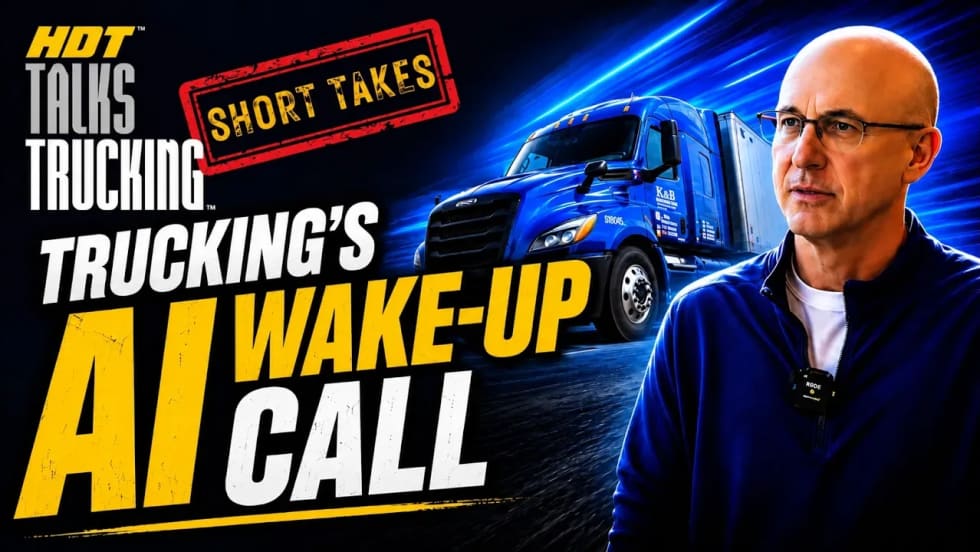
Why K&B Trucking Is Embracing AI and Driver Safety Technology
Crunching data and embracing artificial intelligence are key in K&B Trucking's safety efforts, says the company's safety director.
Read More →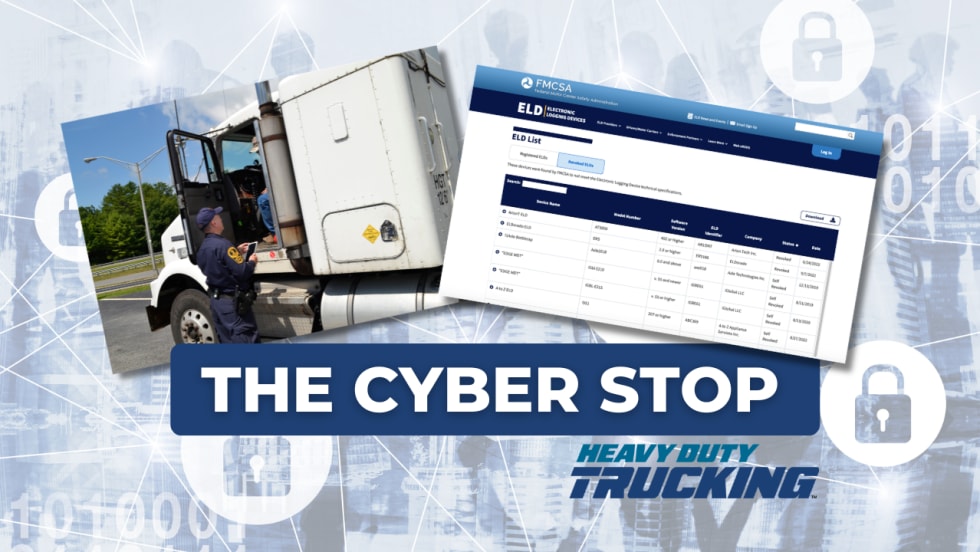
The Hidden Problem Behind FMCSA's ELD Revocations
NMFTA researchers say dozens of registered ELDs may be built on the same software platforms, allowing compliance and security concerns to persist even after individual devices are removed from the market.
Read More →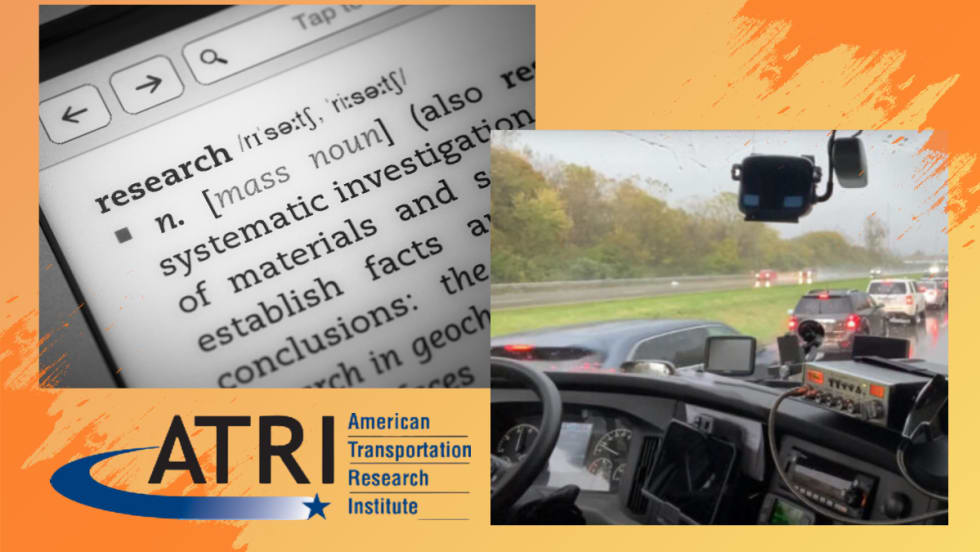
ATRI Wants Motor Carriers for Driver-Facing Camera Study
In this new study, the American Transportation Research Institute will explore how driver-facing cameras can impact safety and operational metrics in trucking fleets.
Read More →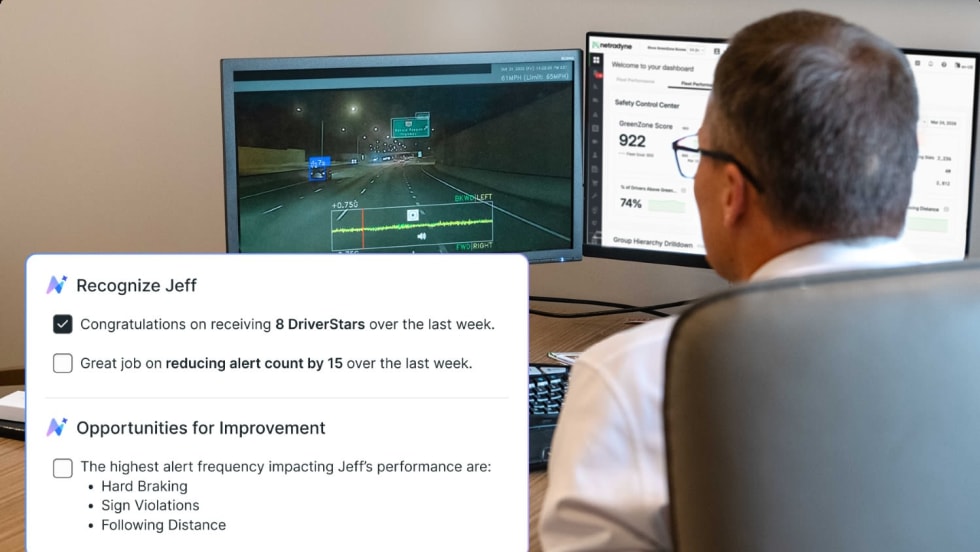
Netradyne Intelligence Uses New AI Agents to Automate Response to In-Cab Camera Data
The company called the next-generation in-cab camera safety platform "a fundamental shift from systems that report on what happened to systems that actively drive what should happen next."
Read More →Mack, Volvo Issue ‘Do Not Drive’ Recall on Possible Wheel-Offs
Owners will be sent advance notice not to operate their affected vehicles until the remedy is performed.
Read More →