





Related: Trailers are Smarter Than Ever
Trends in Trailer Suspensions
While suspension producers are constantly upgrading and improving their products and adding new models, overall trends in suspension uptake by fleets remain fairly constant.
March 27, 2017
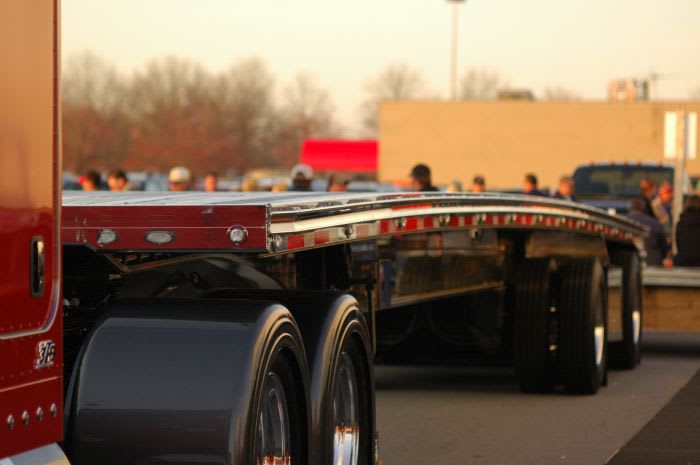
Trailer suspensions are oft neglected, so a robust and durable spec is mandatory. Photos: Jim Park
5 min to read
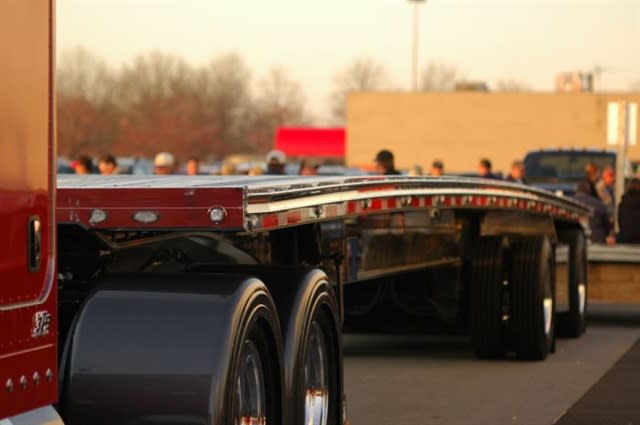
Trailer suspensions are oft neglected, so a robust and durable spec is mandatory.Photos: Jim Park
Somebody could probably build the lightest, most durable, gold-plated trailer suspension ever seen, but in all likelihood nobody would buy it. While light and durable are desirable attributes in a suspension, most fleets could do without the gold-plated part — unless they could justify it in some specific niche application.
For example, reducing component weight is a high priority for most tanker fleets. More costly lightweight axles, suspensions and wheel-end components allow for larger payloads, increasing equipment productivity. Those fleets might be willing to pay a little more for such a suspension.
Over-the-road dry van fleets, on the other hand, want to minimize maintenance and maximize uptime. The simplicity of spring suspensions combined with low-maintenance disc brakes are attractive options.
“The number one priority for fleets today is to minimize operating expenses and maximum uptime,” says Roger Jansen, product manager for trailer axles and suspensions at SAF-Holland. “Every product decision is measured by these metrics. Trailer suspensions are highly customizable, and depending on each fleet’s unique operating conditions, priorities for different equipment specifications vary.”
While suspension producers are constantly upgrading and improving their products and adding new models, overall trends in suspension uptake by fleets remain fairly constant. But in keeping with the quest for less maintenance and longer service intervals, Jon Jefferies, director of trailer OEM sales at Hendrickson, sees a slight shift toward components with long-term benefits.
“There is growing demand for wheel-end products that offer semi-synthetic grease and extended warranties,” he says. “We are also seeing a slow but steady rise in demand for air disc brakes.”
The percentage of new trailers built with air disc brakes grows every year with no signs of slowing, and with the increased uptake comes a drop in the price. However, notes Jansen, “Fleets that are looking to make the switch to disc brakes immediately are looking at spring suspensions as a way to help offset the initial investment required to spec disc brakes.”
Less weight, less maintenance and lower cost are the hallmark of spring suspensions. And they aren’t as rare today as one might think. According to Geoff Williams, vice president of sales and marketing for axle and suspension maker Eveley International Corp., “Spring ride continues to be a tried and true low cost option.”
Williams says the intermodal segment still predominately uses spring suspensions, and more and more fleets are developing business there. But at the same time, he notes that of fleets ordering their own intermodal chassis, more of them are spec’ing air suspensions.
Today, air ride suspensions are often lighter than spring suspensions and offer the added value of protecting the cargo, reduced maintenance, higher resale value and extending the life of the trailer.
One thing fleets of all stripes need to consider with a suspension spec is the track width of the axle. This matters if you plan to use wide-single tires but plan to sell the trailer with dual tires to get the best residual value. Suspension makers and trailer makers will have recommendations for which model suspension to use with a particular axle.
“An axle with an extra wide track would optimize bearing life if you were using wide-based single wheels,” notes Chad Bamberg, product marketing manager at Meritor. “A narrower track requires the use of offset wheels, which can affect the service life of your bearings, but allows flexibility when converting a trailer back to dual wheels without being over width on your tires.”
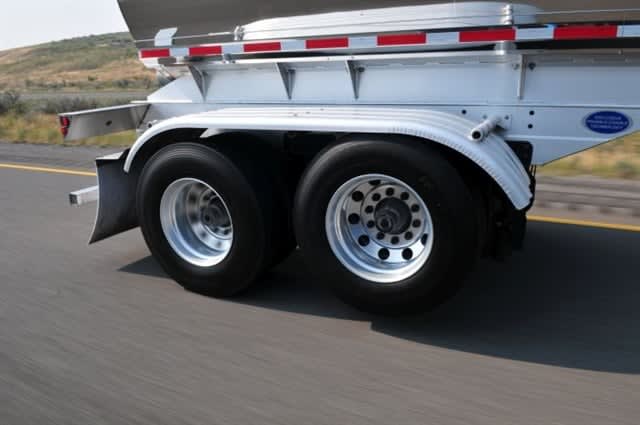
Liftable axles offer quantifiable fuel and tire savings while adding little weight and cost.
Lift kits
Lift kits for trailer axles are becoming very popular, not only with fleets that run empty a significant portion of the time, but also with fleets in the truckload sector. The fuel savings and reductions in tire wear are well documented, and drivers say they see improved handling and braking action when the weight of even an empty trailer is placed on just one axle.
“The demand for lift axles in certain market segments such as LTL, beverage distributors, food delivery, and fuel delivery has increased significantly in the last few years,” notes Jansen. “Lifting axles when the trailer is unloaded can result in significant fuel savings, reduced tire wear, and reduced toll charges.”
Usually it’s the forward axle in the tandem that is equipped with the lift kit. They are available from most suspension makers and often can be retrofitted. They add little weight compared to the benefits in fuel savings and tire wear. And they are gaining popularity as fleets focus on greenhouse gas reduction.
“We are seeing a few van and reefer fleet customers going with a raised axle on a slider to reduce rolling resistance in order to improve fuel economy, as well as tire and brake wear,” Jefferies says.
When considering lift axles, special attention should be paid to the suspension’s axle travel. Jansen recommends using a suspension with a minimum of 4 inches of up travel. Less than that, he says, increases the risk of flat spotting tires when driving on rough roads.
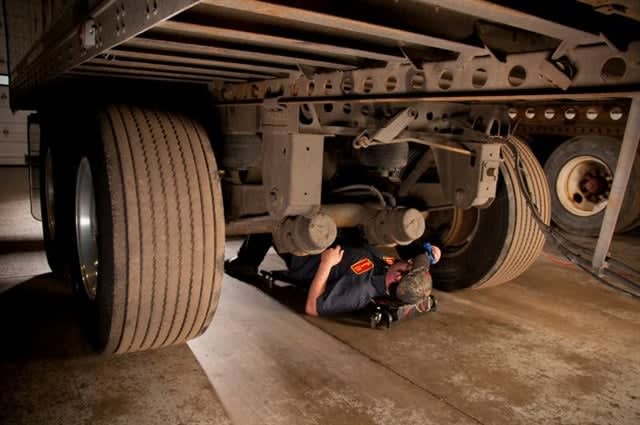
Regular maintenance will lower costs and most of all save tire wear and excess fuel consumption due to poor alignment.
Bamberg cautions that any auxiliary product will require certain spec’ing considerations and eventual maintenance.
“It’s important to work closely with your trailer manufacturer to ensure the right combinations of components are provided to establish both the proper tire clearance for their application and to understand what additional maintenance might be required.”
In jurisdictions where higher gross weights are permitted, steerable axles are gaining some attention.
“It’s hard to make a business case for steerable axles where they aren’t required because of the weight and the cost,” says Neil Haslam, head of design engineering at Ingersoll Axles. “But they are easier on tires, and yield less wear and tear on the roads and the equipment, and less stress on the frame and suspension. For trailers that operate in cities there are real advantages to a steerable axle, but it comes down to cost.”
For most fleets, the suspension equation is about lowering costs, improving reliability and reducing downtime. Fortunately, it’s getting easier for fleets to prove out the claims as monitoring maintenance costs becomes easier.
“While the basic critical fleet metrics are unchanged, the influx of new technology in areas such as telematics and improved service management tools have improved the total cost of ownership metrics,” says Bill Hicks, director of product planning, Americas, SAF-Holland. “So now, supplier claims of improved TCO or ROI can be verified or confirmed.”
So if someone offers you a gold-plated axle saying it will save you money, get them to prove it.
Subscribe to Our Newsletter
More Equipment

Help HDT Find Trucking’s Top Products
Have you come across a new product that could make a difference for trucking fleets? Nominate it for HDT’s 2027 Top 20 Products Awards by November 9.
Read More →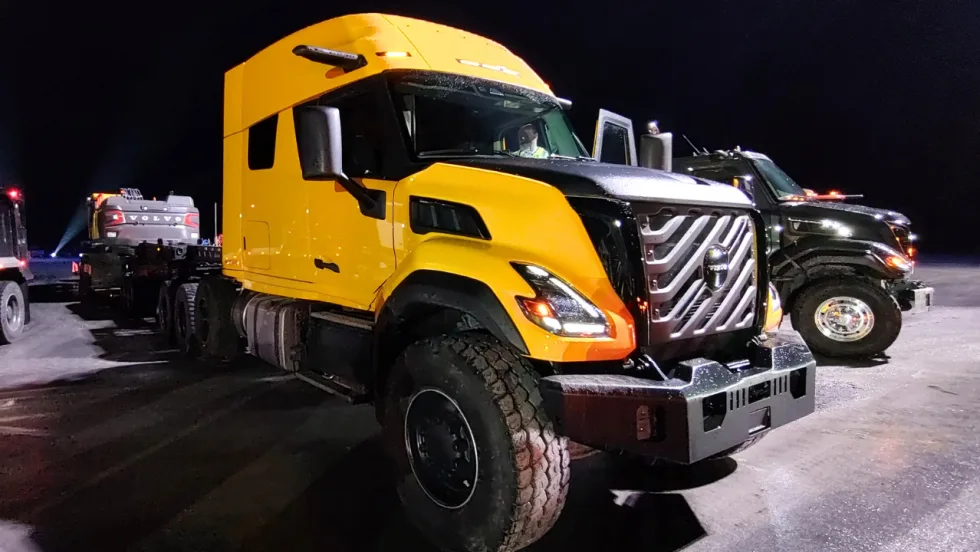
Volvo Unveils New VNX Heavy-Haul and Vocational Truck
Volvo Trucks has launched the VNX, a new vocational truck also available as a tractor in day cab and two sleeper configurations, with one heavy-haul model. The Volvo VNX is powered by Volvo's D13 platform, which delivers up to 540 horsepower and 1,950 pound-feet of torque and is EPA 2027-compliant.
Read More →
How GP Transco Cuts Trucking Fuel Costs, a Tenth of a Gallon at a Time
What’s another tenth of a mile per gallon worth? GP Transco shares how equipment upgrades and driver coaching turn small gains into meaningful fuel savings.
Read More →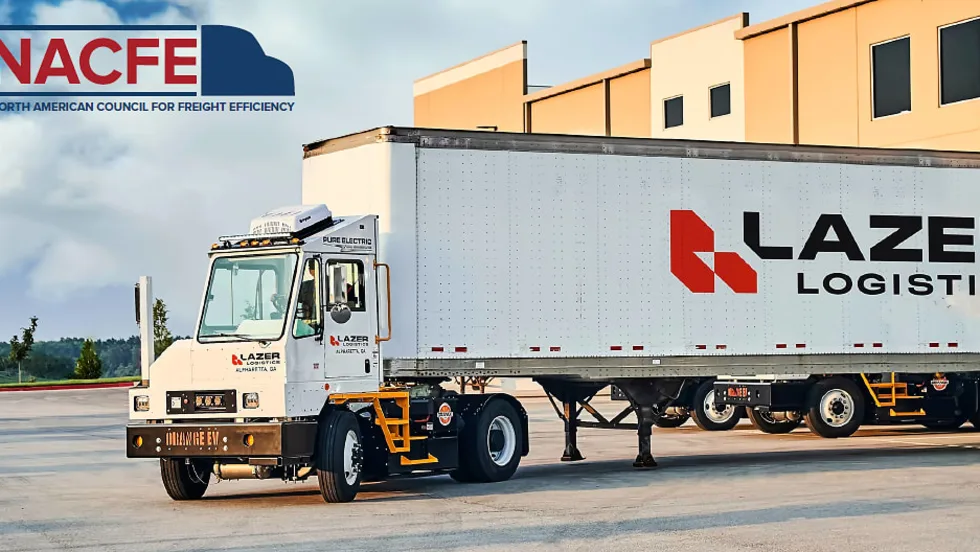
Electric Yard Tractors Move Beyond Pilots
Operating-cost savings have overtaken sustainability goals as the leading reason surveyed fleets are adopting battery-electric terminal tractors, according to new NACFE research.
Read More →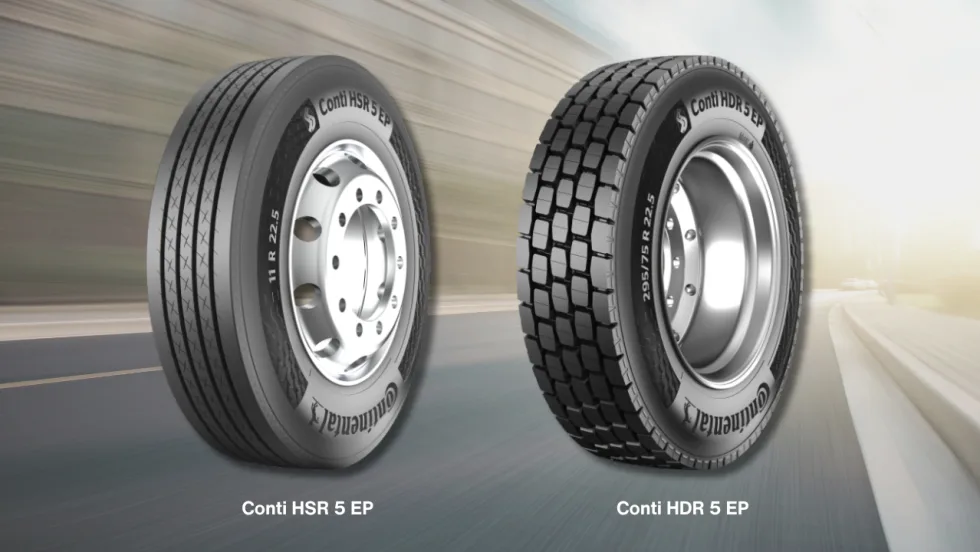
Continental Introduces New Regional Truck Tires
Continental says its new Generation 5 steer and drive tires for regional operations offer longer tread life, with estimated mileage gains of 22% and 19%, respectively.
Read More →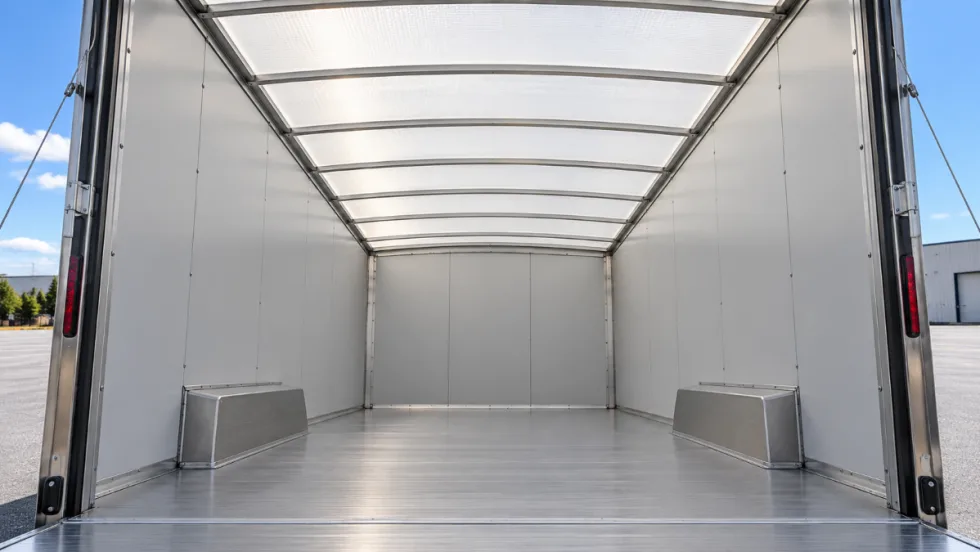
Tekmodo Introduces CargoBright Brand for Translucent Trailer Roofs
CargoBright is designed to diffuse daylight across the cargo area while performing as a working vehicle roof.
Read More →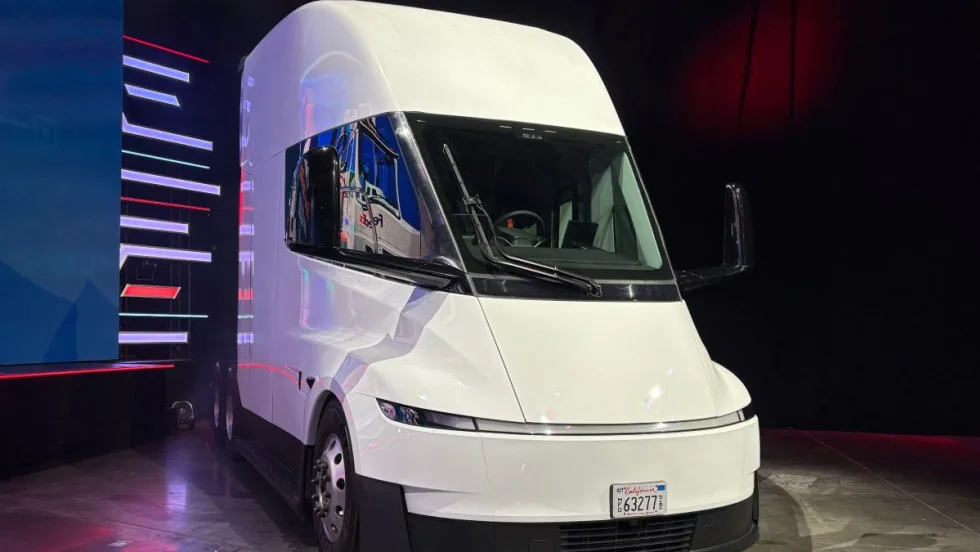
Fleet Economics Shape Electric Truck Outlook
ACT Research expects costs, charging infrastructure, and technology improvements to drive zero-emission commercial vehicle adoption as federal regulations and incentives retreat.
Read More →
Kodiak Targets Dallas–Houston for Driverless Trucks
The company says its autonomous trucks are completing the I-45 run without a safety observer taking control. It plans to remove the observer by the end of 2026.
Read More →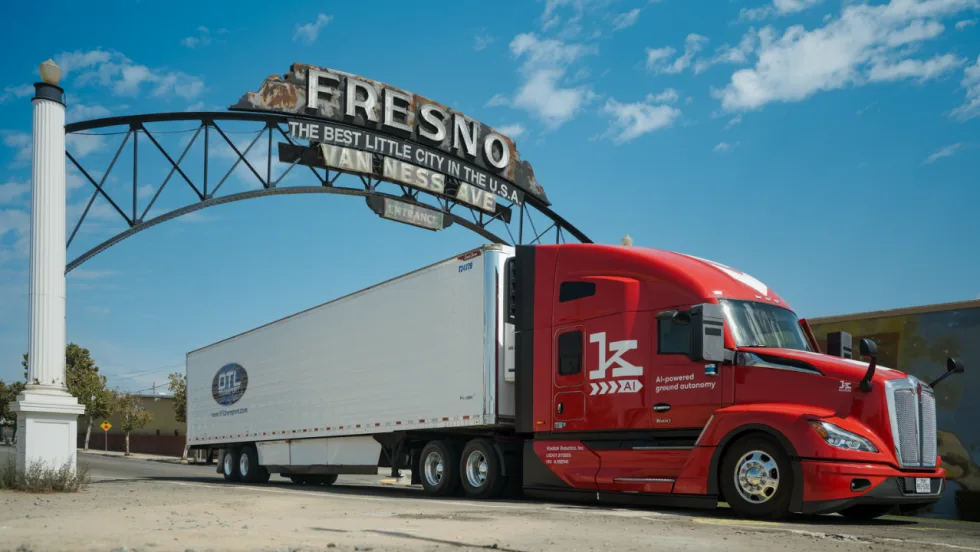
Kodiak Hauls Produce in California Autonomous Truck Pilot
Kodiak AI and DTL Transport have begun hauling produce between Fresno and Los Angeles under California’s new rules for testing heavy-duty autonomous trucks. A safety driver remains behind the wheel.
Read More →
Used-Truck Remarketing Math Is Changing
Used-truck value is no longer just a concern at trade-in. Decisions made throughout a truck’s first life can influence what it’s worth years later.
Read More →