




As we move into warmer weather this spring, now is the perfect time to implement spring maintenance to keep your trucking fleet tires healthy as temperatures heat up.
3 Tips to Protect Your Heavy-Duty Truck Tires from Summer Heat
There's no better time to prepare truck tires for summer heat than in the spring before those temperatures soar.
by Staff
March 31, 2025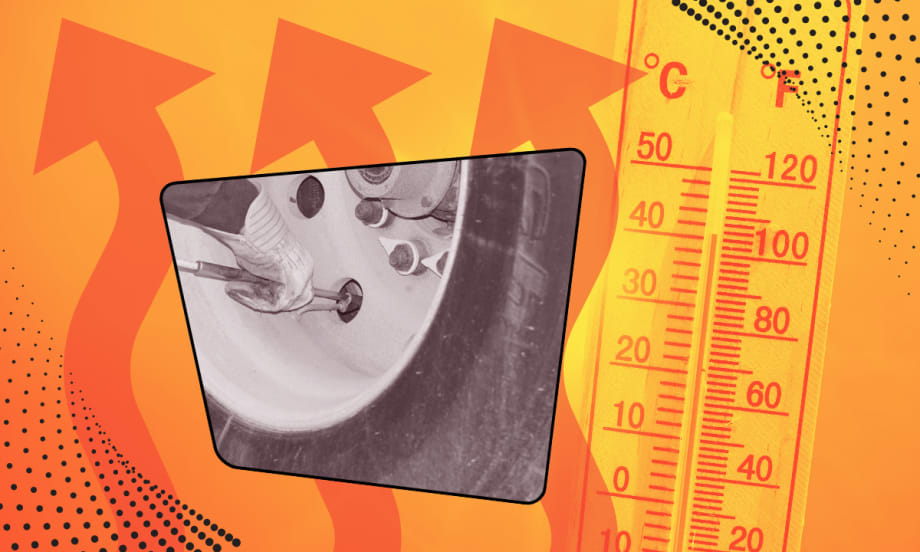
Tires in motion are hot tires. Add in summer ambient temperatures and your inflation readings may be all wrong.
Image: HDT Graphic/Jim Park Photo
2 min to read
Aperia Technologies shared these three temperature-related tips to keep in mind as you prepare your tractors and trailers for warm weather driving:
1. Account for Added Heat and Sun Exposure
Believe it or not, just like us, tires can get “sunburned.”
Tires heat up when exposed to direct sunlight, which can cause tire pressure to increase by as much as 20 psi. As a result, tires may experience irregular wear, which will shorten their lifespan and increase your tire expenses.
To avoid irregular wear due to over-inflation this summer, check tires after they have effectively cooled following operation and drop tire pressure if readings are over their target cold inflation pressure.
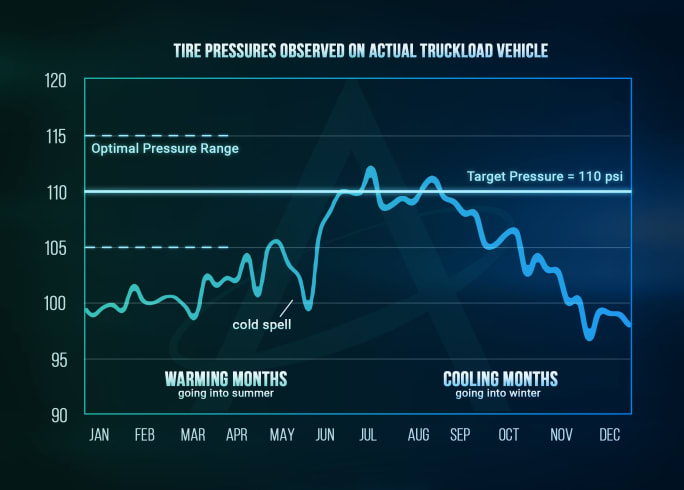
The effects of temperature fluctuations on tire pressure. Notice the increased tire pressure during the day and in warmer months, and decreased pressure during the evening and in cooler months.
Source: Aperia
2. Account for Operational Heating
Tires in motion are hot tires. The operation of a vehicle causes tires to heat up by as much as 20 psi. It is natural for tires to bend, stretch, and deflect while in motion, creating heat and a temporary increase in inflation pressure.
This phenomenon causes optimally inflated tires to produce manual pressure readings up to 20 psi higher due to operational heating while driving. And underinflated tires will produce pressure readings that misleadingly suggest they are optimally inflated.
Unless you’re using a tire analytics platform to secure accurate real-time temperature-adjusted pressure readings, tires should cool for three to four hours before pressure is checked to avoid the pressure-reading inaccuracies that lead to irregular tire wear.
3. Account for Ambient Temperature
Your tires’ ambient air temperature fluctuates seasonally, daily, and even hourly. In response, the air molecules inside your tires adapt their movement.
Every 10-degree increase in ambient temperature causes tire pressure to rise by 1 psi. Similarly, for every 10-degree decrease in ambient temperature, it drops 1 psi.
While summer temperatures are commonly 40 to 50 degrees higher than those in the winter, even daily afternoon temperatures are often 20 degrees warmer than morning lows.
Account for seasonal temperature fluctuations by securing cold inflation readings on your tires during planned maintenance this spring and adjust pressure up or down as needed.
Consider investing in smart tire pressure monitoring and inflation technology such to add air and balance pressure between tires to account for daily and hourly pressure fluctuations.
Subscribe to Our Newsletter
More Maintenance
Goodyear Targets ‘Super-Regional’ Sweet Spot with New Steer Tire
Goodyear is preparing to roll out a new steer tire designed to bridge the gap between regional and linehaul for trucking fleets.
Read More →
Hendrickson Unveils Watchman Smart Wheel-End System at TMC
Hendrickson’s new sensor platform integrates with its TireMaax system to deliver real-time tire and wheel-end insights, targeting uptime and cost savings.
Read More →
Over-the-Air Updates and the Modern Powertrain Explained
Over-the-air updates are moving beyond recalls, and expanding how fleets manage performance, compliance, and uptime.
Read More →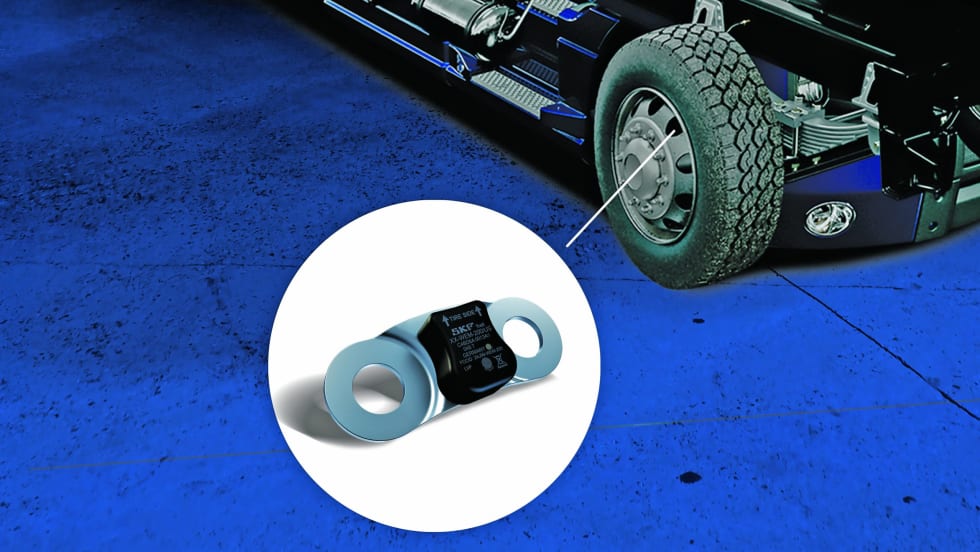
SKF, TMC Expand Hands-On Training to Boost Technician Skills at Annual Meeting
A new partnership between SFK and TMC brings certified, on-site instruction focused on wheel-end reliability and maintenance best practices.
Read More →
Why Higher Pay Isn’t Fixing the Heavy-Duty Technician Shortage
Hiring heavy-duty truck technicians has become a bidding war, but shops that focus on culture, training, and career paths are gaining an edge. That's the takeaway from a TMC panel discussion.
Read More →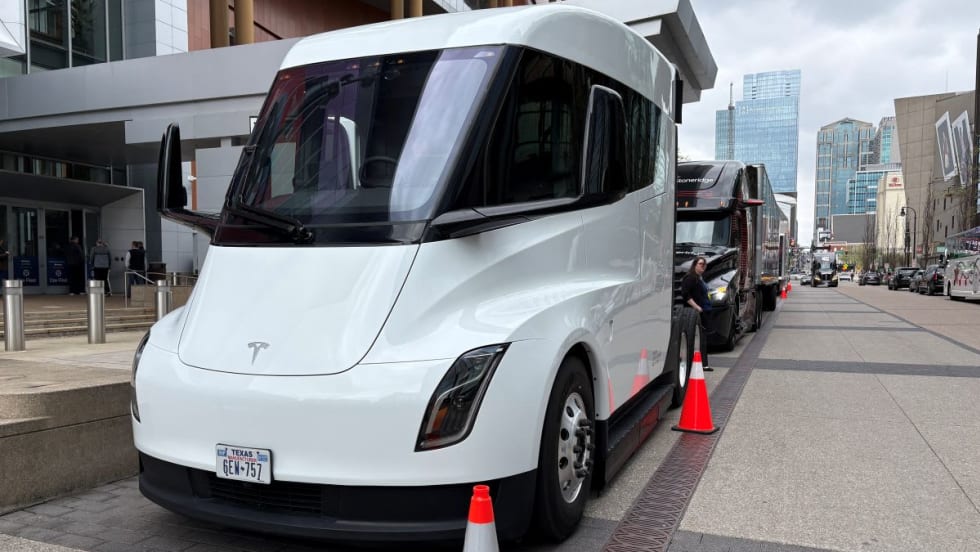
Technology & Maintenance Council 2026 Annual Meeting [Photos]
Couldn't make it to Nashville for TMC's 2026 annual meeting? Check out these images.
Read More →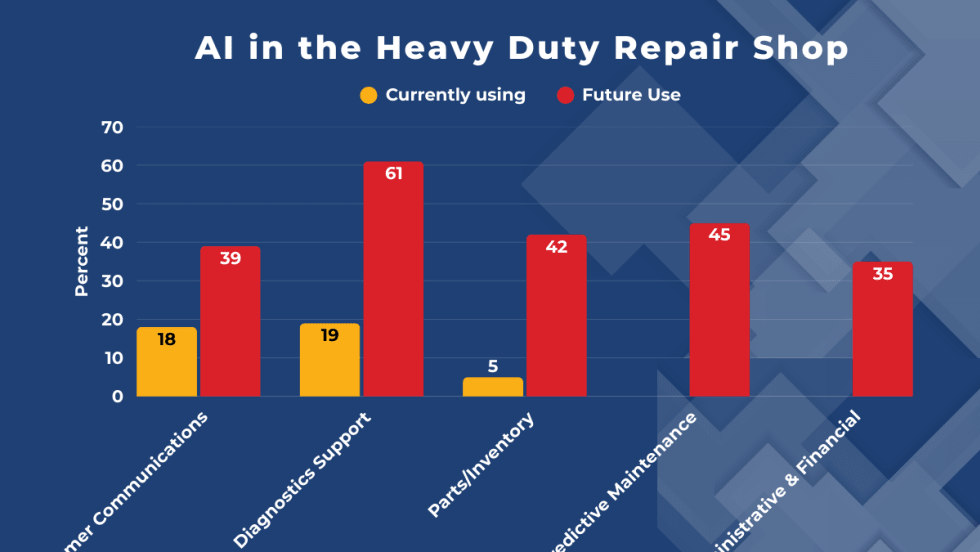
Fullbay Report: Heavy-Duty Shop Revenue Up, Rates Rising, but Shops Still Short on Techs
Strong growth across the heavy-duty repair sector is being tempered by workforce shortages and an aging technician pipeline.
Read More →
How Mack Sees the Next Era of Fleet Intelligence
Telematics has evolved from simple vehicle tracking into a connected service platform that can help fleets boost uptime, improve specifications, and move toward predictive maintenance. Mack executives say AI is now giving fleets a way to turn all that vehicle data into faster, smarter decisions.
Read More →
Clarios Expands Battery Monitoring Into Subscription Service with Battery Manager Pro
A new battery-monitoring-as-a-service program from Clarios Connected Services uses predictive analytics and automatic replacement to reduce downtime and smooth fleet maintenance costs.
Read More →
SAF-Holland’s BrakeSight Aims to Take the Guesswork Out of Air Disc Brake Maintenance
New Haldex sensor technology from SAF-Holland integrates with telematics systems to give fleets continuous insight into air disc brake condition.
Read More →