




How to Help Truck Drivers Deal With Diabetes
About one in every seven drivers has diabetes in the United States. Fleets should be proactive in improving the quality of life for their drivers, enabling them to continue to provide for themselves after a diagnosis of diabetes.


Fleets should be proactive in improving the quality of life for their drivers, enabling them to continue to provide for themselves after a diagnosis of diabetes.
Photo: Gettyimages.com/spukkato
Truck drivers have a 50% higher risk of developing Type 2 diabetes than the general population, according to the National Institute for Occupational Safety and Health. Currently, there are approximately 500,000 truck drivers out on the roads with diabetes in the United States – about one in every seven drivers.
These are important numbers for fleets to know, because a driver with diabetes will face added challenges. While regulatory changes over the past 15 years have helped drivers with insulin-dependent diabetes stay on the road, there are increased risks of losing these drivers to health issues or accidents, as well as possible added healthcare costs if a driver is an employee for your fleet.
Fleets should be proactive in improving the quality of life for their drivers, enabling them to continue to provide for themselves and their families after a diagnosis of diabetes. Being knowledgeable and proactive about diabetes is critical, since it is one of the fastest-growing chronic diseases globally — and it’s even more prevalent in truck drivers. About 60% to 70% of people with diabetes develop some form of peripheral neuropathy, meaning they lose feeling in their feet and/or hands – and for truck drivers, an immediate loss of a CDL.
Drivers who aren’t responsibly managing diabetes also risk experiencing diabetic episodes of low blood sugars (hypoglycemia), which can make them feel dizzy, disoriented — even black out. Not what you want to happen when someone’s behind the wheel of a commercial vehicle.
While drivers with diabetes can maintain their commercial drivers’ licenses if they’re managing their diabetes properly, studies show that only around 50% of truck drivers comply with their medical treatment, and even fewer with their diet and exercise regimen. There are several critical things that fleets can do to help reduce the negative impact of diabetes on their drivers and on their company.

First, show that you are truly willing to support your drivers on their path to better health by creating a culture of healthy trucking. This can include things such as:
regular health communications and discussions
an advisory board of drivers that can share ideas for healthy trucking with your fleet
finding ways to help a driver’s sleep schedule become more regular
providing movement and exercise breaks scheduled into their day
providing resources for healthier food options
aligning with resources for education
coaching drivers to properly manage and possibly reverse their diabetes.
Pamphlets and online websites are not enough. Drivers have enough stress and things to deal with. They are far more successful when they have access to a coach. Consider providing access to tools such as continuous glucose monitors. These are a more sophisticated alternative to a driver having to stop and prick his or her finger for a glucose reading numerous times a day. CGM devices monitor glucose levels throughout the day through a tiny sensor wire inserted just under the skin and can alert drivers if levels go too high or low. The devices can also translate those readings into dynamic data to show glucose direction and rate of change.
Tracking glucose levels regularly is critical in helping drivers learn how certain foods affect their blood sugars. When drivers start to make the connection, behavior changes are far more likely.
This commentary originally appeared in the April print edition of Heavy Duty Trucking.
More Drivers

Trump Administration Looks to Put More Veterans Behind the Wheel
The Freedom Haulers program pulls together existing and expanded programs at several federal agencies to recruit veterans to drive commercial heavy-duty trucks and cut the red tape for them to get a CDL, training, and employment.
Read More →
Putting Mack’s Command Steer to the Test
A test drive of Mack’s Command Steer active steering system evaluates how it can make truck driving easier and less tiring.
Read More →
Competition Heating Up for Truck Drivers
New report reveals rising driver hiring costs, the return of sign-on bonuses, growing AI advantages, and the operational factors shaping driver retention.
Read More →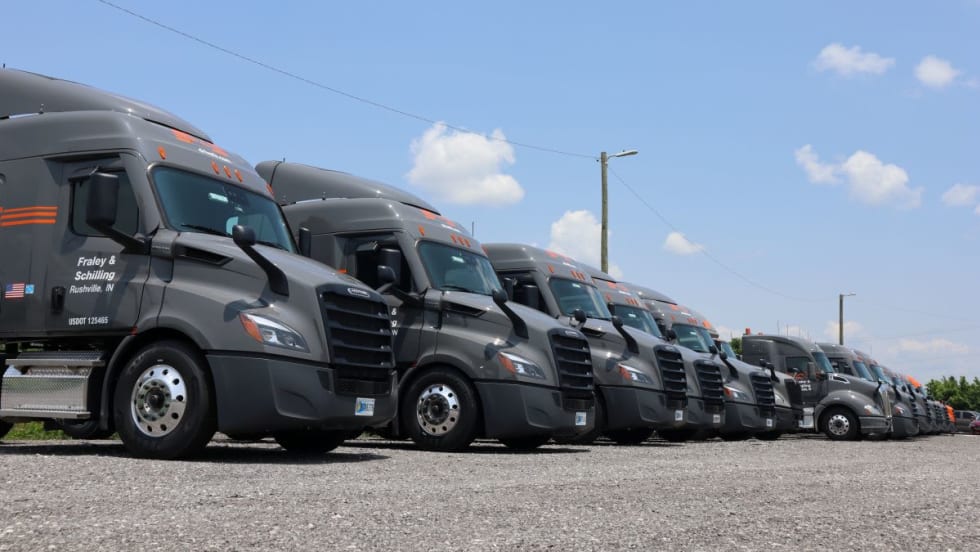
How Fraley & Schilling Improved Logbook Compliance by Over 50%
Fraley & Schilling needed a way to close a compliance workflow gap in its ELD system without adding more work from driver training, reminders, and back-office follow-ups. It found the answer in a custom driver app.
Read More →
Volvo Goes Gaming
Volvo has roared into American Truck Simulator with two new flagship trucks.
Read More →
What the Best Fleets to Drive For Teach About Driver Retention
Survey fatigue, AI-powered routing, owner-operator expectations, and the decline of social media all emerged as themes from this year's Best Fleets to Drive For program.
Read More →
Driver Retention Lessons From the Best Fleets to Drive For
What separates trucking's best workplaces from the rest? Jane Jazrawy shares the biggest lessons from this year's Best Fleets to Drive For program on driver retention, communication, AI, and workforce trends on the HDT Talks Trucking podcast.
Read More →
Farewell, CDL: Why I'm Giving Up My Commercial Driver's License
After more than 20 years as a CDL holder, HDT Executive Editor Jack Roberts is letting his commercial license expire. Not because he wants to — but because trucking's nuclear verdict crisis has made the risks of public-road test drives too great for editors, manufacturers, and everyone involved.
Read More →
How Top Trucking Fleets Improve Driver Retention [Video]
What do healthy snacks, optimized routing, and just picking up the phone have in common? They're all strategies the Best Fleets to Drive For are using to retain truck drivers.
Read More →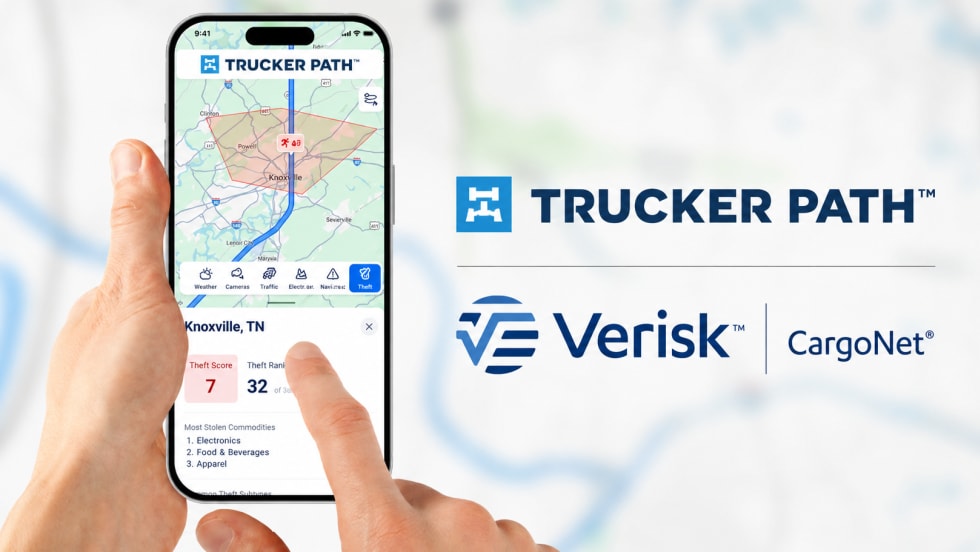
Trucker Path Adds Verisk CargoNet Theft Data to Navigation Platform
Trucker Path’s new cargo theft risk overlays give drivers and fleets visibility into high-risk areas, stolen commodity trends, and theft hotspots.
Read More →